




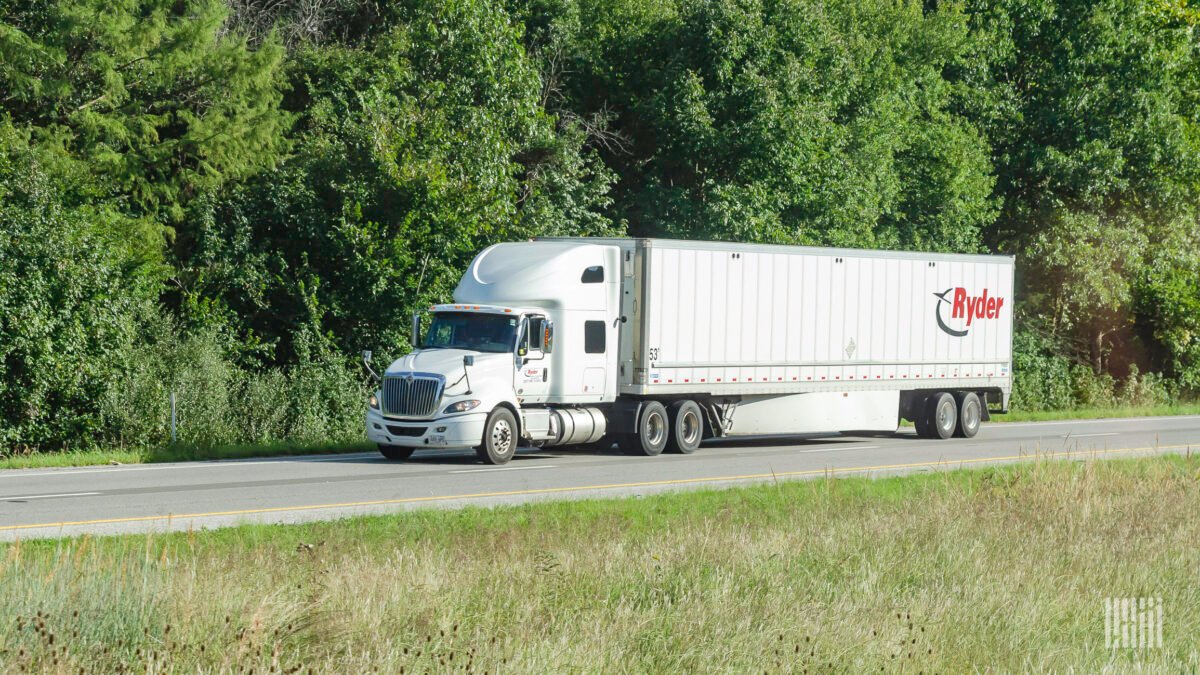
Moody’s has upgraded Ryder’s debt rating by one notch to Baa1 from Baa2, restoring the company to the level it held before its pandemic-era downgrade in 2020. The move reflects what the ratings agency sees as meaningful progress in de-risking Ryder’s business model and reducing reliance on short-term rental activity and used-vehicle sales.
The Baa2 rating had been in place since June 2020, when the company’s rental business came under intense pressure at the start of Covid. Since then, Ryder has steadily increased the weight of its less capital-intensive segments, particularly Supply Chain Solutions and Dedicated Transportation Services. Moody’s noted that those businesses now account for roughly 60% of revenue, up from less than 40% in 2015.
The agency also pointed to the company’s cash-generation profile. Ryder’s fleet management business remains capital intensive, but Moody’s said its lease portfolio produces stable cash flows that help cushion downturns and support growth. The agency expects robust free cash flow in 2026, assuming capital expenditure stays below $2.5 billion and used vehicle sales contribute about $500 million.
The timing of the upgrade is notable. Robert Sanchez stepped down as chief executive on 31 March and was succeeded by John J. Diez, meaning the new CEO begins his tenure with an improved credit standing that should help reduce borrowing costs. Moody’s has now aligned its view more closely with S&P Global, which had already rated Ryder at the equivalent BBB+ level since April 2023.
Although Moody’s removed its previous positive outlook and shifted it to stable, the tone remains constructive. The agency said outsourcing trends continue to support Ryder’s business model and does not expect trucking fundamentals to worsen further in 2026. It does, however, believe a sharper improvement in fleet utilisation may not arrive until 2027.