



More than 34,000 shipping routes were diverted during the first four weeks of disruption linked to the Strait of Hormuz, according to a new report from project44, highlighting how quickly the Gulf crisis is redrawing logistics networks across Asia and the Indian Ocean.
Week four recorded the highest diversion volume of the period, with little sign that vessel movement is returning to pre-crisis patterns. Iran has allowed a limited flow of mostly non-US-linked traffic through the strait, but thousands of tankers and cargo ships remain trapped or delayed. The result has been a severe shock to energy and freight markets, with around 20% of global crude flows affected and fuel prices surging.
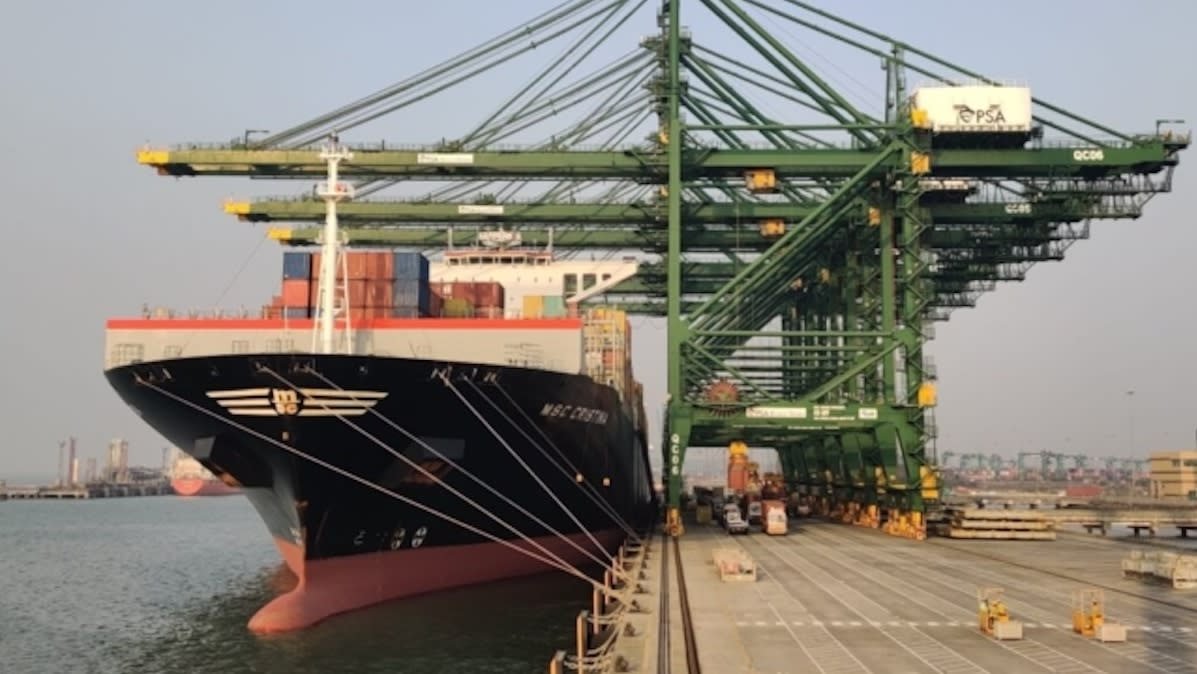
Project44 said the consequences are no longer limited to emergency rerouting. Instead, they are becoming structural. Saudi Arabia and Singapore are emerging as key diversion points, while the UAE’s share of rerouted cargo has fallen from 42.6% in week one to 33.1% by week four. India’s Jawaharlal Nehru Port in Navi Mumbai has seen transhipment volumes jump by more than 700% compared with February levels, turning it into one of the main pressure points in the region.
That surge is worsening congestion. Although the Persian Gulf handles only 2% to 3% of global container traffic, the displacement of boxes is pushing up dwell times in India, Singapore and China and adding fresh upward pressure to east-west freight rates into Europe and North America. Import dwell at Navi Mumbai has more than doubled to 23.47 days, the highest level recorded in the network.
Project44 said the trend points to a deeper market shift rather than a temporary backlog. Ports that once played secondary roles are suddenly handling heavy transhipment volumes they were not built to absorb. In the words of vice president Eric Fullerton, what the market is seeing is not just rerouting, but network restructuring.