Air Nov 13, 2026
Natilus selects Composites Universal Group to manufacture KONA aircraft wings
The Oregon-based aerospace manufacturer will produce carbon-fibre wings for Natilus’s 3.8-tonne-capacity regional freighter, with delivery scheduled for spring 2027 ahead of structural testing and flight-test preparations.
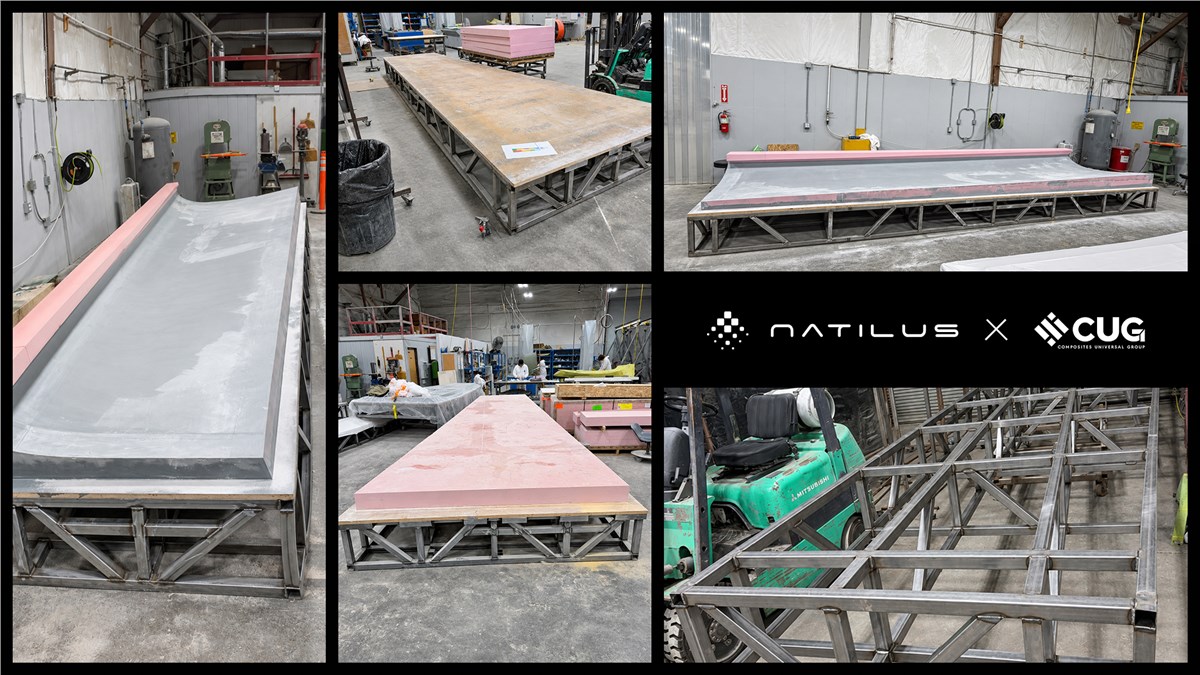
US aerospace manufacturer Natilus has chosen Composites Universal Group to produce the wings for the full-scale prototype of its KONA blended-wing-body regional cargo aircraft. Production will be at the supplier’s Oregon facility, with delivery expected in spring 2027 as Natilus progresses toward structural validation and flight testing.
The deal is yet another milestone for KONA, following a $3.5 million investment awarded to Natilus by the US Air Force in October 2026. The money will help the aircraft progress toward full-scale flight testing and an operational demonstration for military logistics. The program will evaluate KONA’s feasibility for regional cargo distribution, especially in areas of limited infrastructure and difficult access to dependable fuel supplies.
Optionally piloted aircraft KONA will be able to carry a payload of 3.8 tons and have an operational range of 800 nautical miles. It is intended to fill the niche between smaller utility aircraft such as the Cessna C-208 and larger military transport platforms like the C-130. The aircraft is also being developed for operation from short runways and airfields with limited ground infrastructure.
Natilus anticipates that the blended-wing-body will provide significant efficiency gains, with fuel consumption expected to be about 30% less than conventional aircraft. The firm is targeting commercial freight operators and military logistics applications.
Carbon fiber construction and traditional structural principles
The wings will be made by Composites Universal Group at its Oregon plant. The company has prior experience in aerospace programs with Airbus Defense & Space, Boeing, Archer Aviation and SpaceX. It also has developed a specialized tooling process aimed at reducing manufacturing costs and accelerating production.
The general arrangement of the KONA is unconventional , but the wings will be designed using time-tested principles of structural engineering . They will be built with spars and ribs, like the Beechcraft King Air series of aircraft.
The big difference is the material. Instead of traditional aluminum, the wings will be manufactured from carbon fiber and aerospace-grade materials that meet Federal Aviation Administration (FAA) standards.
The flight-control system also will be conventionally designed, using cables and pulleys. Natilus has confirmed the wings will not be used to store fuel in order not to add to the complexity of the design.
Carbon fiber offers better resistance to corrosion and long-term fatigue, the maker says. It also decreases the number of individual components and fasteners, removing the need for riveted panels and drilled holes.
Structural testing before demo flight
Following delivery, the wings will be transported to Natilus’s hangar in San Diego for a series of structural evaluations. Testing will start with joint evaluations of coupons and bonds and advance to limit load testing.
The procedures are to check the structural strength and durability of the components before the full-scale demonstration flight of KONA.
In addition to the prototype program, Natilus is also working toward FAA Part 23 certification for the aircraft. The company is also working on a larger family of blended-wing-body platforms for cargo and passenger transport.
Natilus has set its sights on lowering fuel consumption by 30% for this fleet of aircraft, while keeping operating costs up to 50% lower and payload capacity 40% higher than conventional aircraft.
The company said it has taken more than 570 pre-orders for its aircraft programs with a combined estimated value of about $24 billion.
END OF REPORT