Land Nov 11, 2026
Neighborhood Intelligence to Shut Down Maryland Distribution Center as Supply Chain Restructuring Accelerates
The parent company of Bed Bath & Beyond will transfer inventory from its Aberdeen facility to Dallas as it seeks to eliminate significant costs, streamline logistics operations and improve supply chain efficiency.
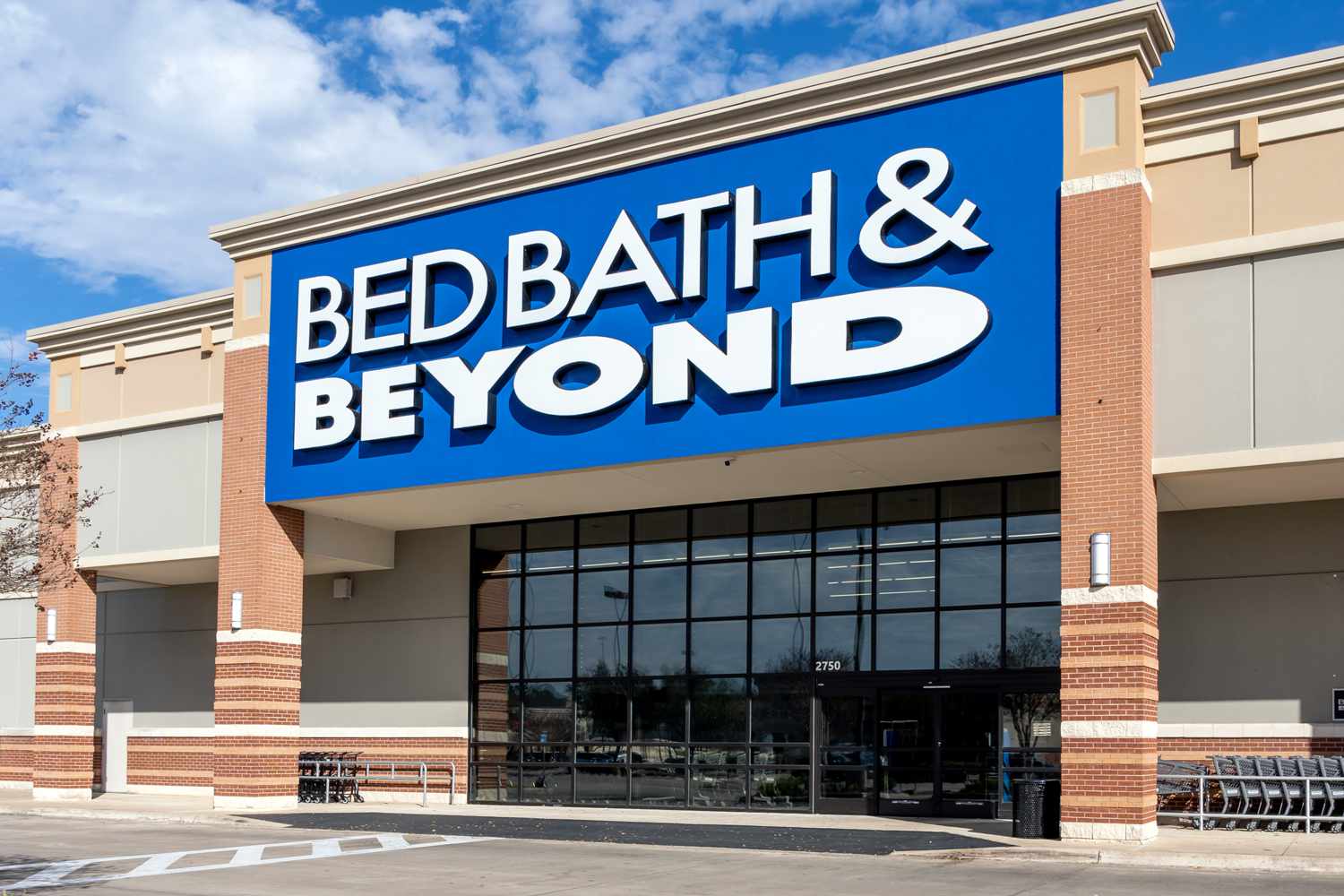
The retailer, now known as Neighborhood Intelligence, will close its distribution center in Aberdeen, Maryland, as part of a wider effort to revamp its supply chain and cut operating costs. CEO Marcus Lemonis confirmed the decision during the company’s third-quarter 2026 earnings call last week.
The retailer said it has plans to move the inventory currently stored at the Maryland facility to a site in Dallas, Texas. It is part of a company-wide review of its supply chain aimed at eliminating significant costs and streamlining the distribution network.
Lemonis did not say how the closure would affect employees at the Aberdeen center. The company also did not respond to a request for comment on the issue.
The CEO explained the financial rationale for the decision, referring to the lease conditions of the site. The company was paying 22% below the prevailing market rate per square foot. But in ending the lease, he suggested there could be a financial opportunity for Neighborhood Intelligence, which could perhaps strike a favorable deal through the transaction.
The restructuring comes amid a wider shift in the retailer’s turnaround plan as management ratchets up its focus on cost control and operational efficiency.
The turnaround strategy is focused on cost reductions
This year, Neighborhood Intelligence has already reduced $50 million in annualized selling, general and administrative expenses (SG&A). The company also has identified another $40 million in annualized operational and merger-related savings, according to its latest earnings release.
The group plans to consolidate its supply chain, eliminate organizational overlaps and optimize its store portfolio to achieve these additional reductions. We believe these actions will enable a leaner operating structure and reduce costs throughout the business.
But so far the savings have yet to translate into operating profitability. For the third quarter of 2026, the company reported operating loss of $62 million year-on-year.
At the same time, revenue grew 98%, primarily driven by the acquisitions of Kirkland’s and The Container Store. They were an important part of the company’s strategy to rebuild its business and return to profitability.
Operational consolidation takes precedence over acquisition strategy
Neighborhood Intelligence is changing gears on its expansion plan. In recent months, the company has pulled out of previously announced deals to buy F9 Brands, the owner of Cabinets To Go and Lumber Liquidators, and real estate platform Fathom Holdings.
Lemonis said the group spent the past year transforming its business by uniting a number of legacy brands in the home space along with capabilities in retail, manufacturing, sourcing and home services.
The CEO clarified that the company’s priorities have shifted since then and that Neighborhood Intelligence is not seeking further acquisitions.
Rather, management aims to concentrate on integrating its current operations and enhancing the flow of products through its network. Therefore, supply chain consolidation and a more efficient distribution model are becoming key factors in the company’s next phase.
The group is also addressing legacy and underperforming inventory identified during due diligence in relation to its acquisitions. Moving the products out helps the company build more efficient operations and also create more capacity for merchandise assortments that better match customer demand, Lemonis said.
Artificial intelligence is helping to transform supply chains
Technology is also becoming more and more important in the operational restructuring of Neighborhood Intelligence. The company is harnessing artificial intelligence to enhance supply chain performance and improve coordination across its merchandise operations.
The retailer is working with technology provider Relex Solutions to integrate a suite of AI-powered capabilities, including demand forecasting, replenishment, inventory allocation and merchandise financial planning.
The effort is to integrate these activities into a more unified system that will help the company plan and manage inventory more effectively across its network.
The closure of the Aberdeen distribution center, the shift of inventory to Dallas and the decision to cease further acquisitions all indicate the same strategic direction: Neighborhood Intelligence is moving away from growth through acquisitions and toward greater efficiency in its existing business.
The company wants to cut costs and run leaner. To get there, it plans to consolidate its network, tighten up inventory, restructure the organization and bring in AI for planning.
END OF REPORT