Logistic Nov 16, 2026
New York’s Delivery Protection Act Moves Closer to Approval as Lawmakers Consider Major Revisions
With the City Council increasingly likely to pass the Amazon-focused legislation before the end of 2026, negotiations are centering on job security, licensing rules, delivery quotas and the future of locally owned delivery companies.
New York – New York City looks to be on track to pass its proposed Delivery Protection Act by the end of 2026. But the legislation that eventually makes it to the City Council floor is likely to be a far cry from the version introduced in February.
The proposal, initially designed to alter how Amazon and its Delivery Service Providers (DSPs) work, has ignited a heated debate involving delivery companies, business associations, labor organizations, city officials, and workers. Business licensing, public safety and employment terms have all been points of contention, with delivery companies threatening to exit the city if the law is passed without major amendments.
Mayor Zohran Mamdani of New York has backed the legislation, publicly endorsing the effort (Mayor Mamdani’s announcement). But Amazon and independent businesses that operate within its delivery network said the first version of the bill, introduced in February, was too restrictive.
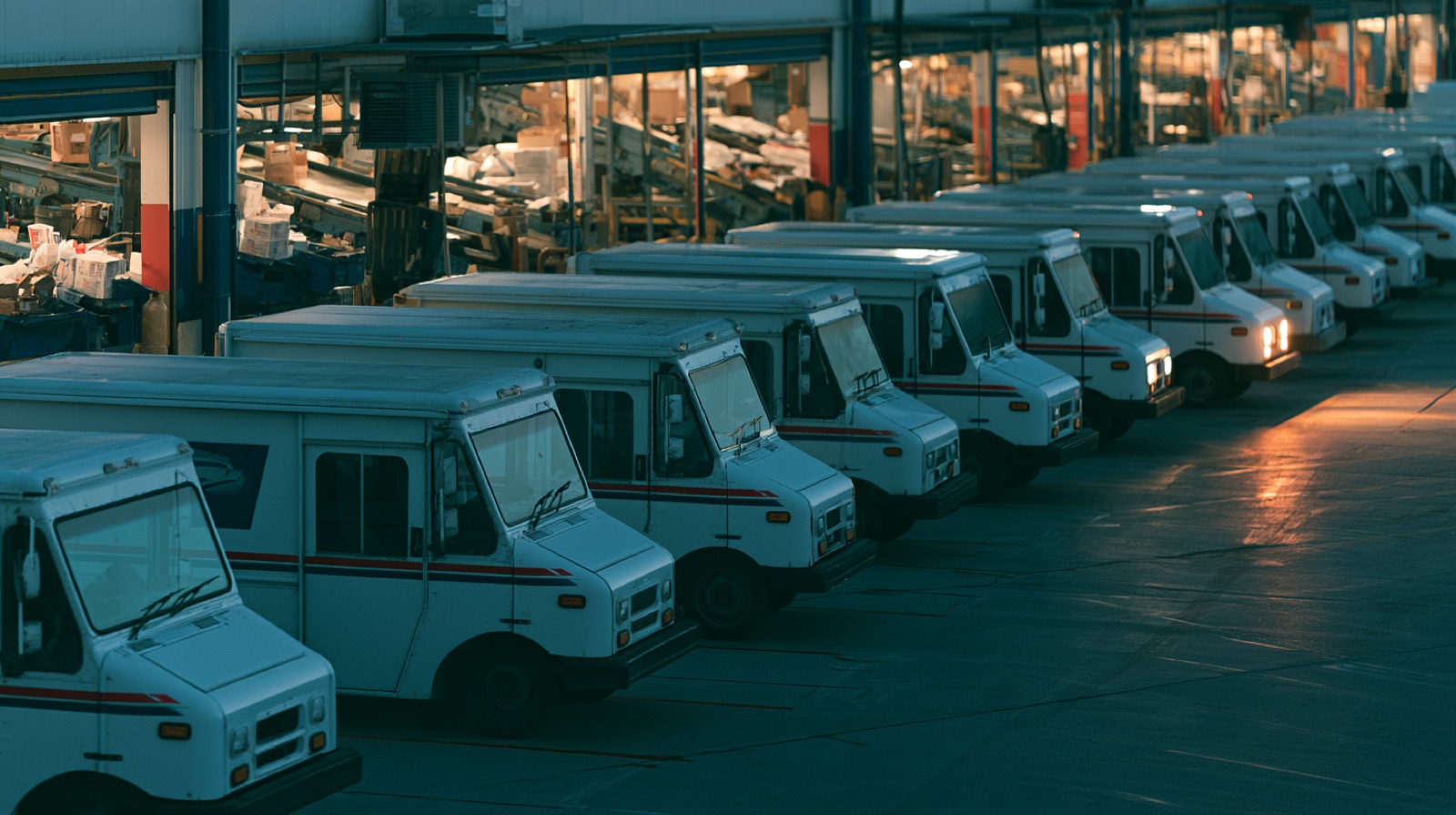
The bill directly targets one of the centerpieces of Amazon’s business model, the use of independently owned DSPs to handle last-mile deliveries and employ drivers under contracts with the e-commerce company (original legislation). Amazon trades on the Nasdaq stock exchange under the ticker symbol AMZN.
There are about 100 independently owned DSPs operating under this arrangement in New York City.
A licensing scheme that could revolutionize Amazon’s delivery network
“One of the most controversial provisions is the definition of a “last mile facility operator”. The original proposal would have required such operators to obtain a licence from the city and comply with specific operating requirements. The bill also would ban subcontracting to third parties.
Collectively, the provisions could have far-reaching ramifications for Amazon’s current structure. If the bill passes as written, the company would essentially be forced to buy all the DSP businesses operating in New York City.
The implications would go further than owning a business. Drivers already employed by independent DSPs could become direct Amazon employees, receiving their W-2 tax form from the retailer, not their current employers.
Another concern is the proposed enforcement mechanism. Under the bill, the relevant commissioner may suspend or revoke a licence after notice and hearing if the licence holder fails to comply with applicable laws or regulations.
Licensing requirements, subcontracting limitations and threat of losing operating licences could be a challenge to the current delivery model for Amazon and its delivery partners.
Protests highlight the growing divide
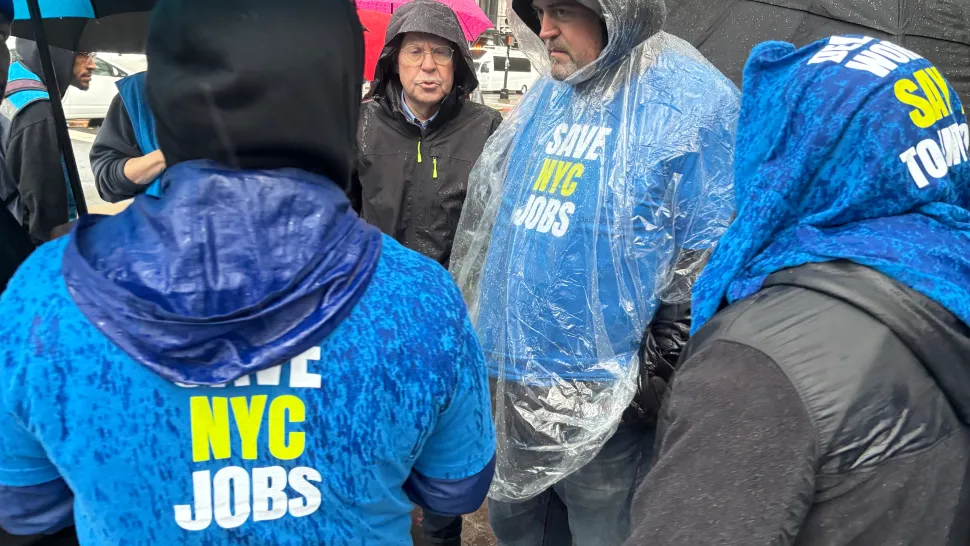
The debate was again visible on Thursday during a rally on the steps of New York City Hall. Organised by New York Delivers, a coalition that includes Amazon, the gathering brought together opponents of the proposed legislation despite heavy rain, lightning and thunder.
It was not the first time DSP owners had demonstrated at City Hall. A similar protest took place in April, ahead of the only public hearing held on the bill. Opponents had also gathered at the same location in February to express their concerns (February demonstration).
The April demonstration illustrated how sharply divided the debate had become. While delivery company representatives and their supporters voiced opposition, a large group backing the Delivery Protection Act, organised by the Teamsters, held a counter-rally. The union also returned to City Hall for another demonstration last month.
The political presence at these events has offered another indication of the competing levels of support. City Council members other than bill sponsor Tiffany Caban have attended the Teamsters' demonstrations. By contrast, no City Council members have appeared at the New York Delivers rallies.
There has also been a notable change in the political landscape: one Council member who previously supported the proposal recently withdrew that backing, attracting attention in the local press (The New York Post report).
Chambers of Commerce defend locally owned businesses
The opposition has found a strong institutional voice among the city's five borough-based Chambers of Commerce. Their central argument is that the DSPs are not simply extensions of Amazon, but locally owned small businesses with a significant presence in New York's communities.
More than a quarter of these companies are led by people of colour. They operate across all five boroughs, are run by local entrepreneurs and collectively employ thousands of people. Some of their owners are military veterans.
Business representatives warn that adopting the bill without substantial changes could put these companies at risk and threaten the jobs they support.
They also question whether the proposed employment requirements would be legally sustainable. In particular, opponents argue that the obligation for a last-mile delivery company to hire workers released by another business could face legal challenges.
There is also uncertainty over what would happen to employees if a company lost its licence and the re-licensing process left workers without employment while the matter was being resolved.
Another concern is that Amazon could respond by relocating some warehouse-based operations beyond the city's boundaries. For example, activities currently carried out in Queens could move to Nassau County, while operations serving the Bronx could be transferred to Westchester County. DSPs might then collect packages from facilities outside New York City rather than from warehouses within it.
Such a scenario could preserve parts of the existing delivery arrangement while shifting some of its operational footprint beyond municipal jurisdiction.
Negotiations are taking place within the City Council
For Jessica Walker, president and CEO of the Manhattan Chamber of Commerce, the debate has reached a decisive stage.
Speaking to FreightWaves during the City Hall rally, Walker said the City Council clearly wanted to move forward with legislation and that discussions were already underway to determine what the final version would contain.
She stressed, however, that the negotiations were not taking place between Council members and the external organisations opposing the bill. Instead, the discussions were happening within the Council itself, with members needing to agree on the most suitable way forward.
“All the Council members have to talk to one another and figure out the best route,” Walker said.
The position of Julie Menin, speaker of the New York City Council, is particularly important to the bill's prospects.
According to a recent report in The New York Times (November 6 article), people familiar with Menin's thinking said she was concerned that the proposed legislation could lead to job losses and prompt Amazon to raise its prices.
Nevertheless, the bill has enough co-sponsors to pass comfortably, provided Menin allows it to reach the Council floor. Her public comments to the newspaper also indicated broad support for establishing a regulatory framework for large delivery operators.
“New York City regulates everything from nail salons to barbershops, yet major online retailers like Amazon have gone unregulated for far too long,” Menin said, according to The New York Times. “It’s time for Amazon to adhere to a licensing framework that ensures fair pay, strong worker protections and more responsible delivery practices that don’t leave vehicles idling on our streets for hours.”
The prospect of litigation is pushing both sides towards compromise
Despite the growing likelihood that the Delivery Protection Act will pass, one issue appears to unite supporters and opponents: the legislation is likely to face lengthy legal challenges once approved and signed by the mayor.
The prospect of litigation is reportedly encouraging supporters of the bill to explore a compromise. Their objective would be to remove or revise provisions that could become the subject of court disputes, allowing the city to introduce some form of regulation without exposing the entire framework to prolonged legal uncertainty.
As a result, the final legislation could be considerably less restrictive than the original proposal, particularly if it no longer effectively requires Amazon to purchase the DSPs operating in the city.
Walker said the discussions should produce legislation capable of addressing concerns about worker protection and street safety. In her view, however, the current draft fails to achieve those objectives.
One area where amendments could be possible concerns delivery quotas imposed on DSPs. The argument is that drivers expected to complete extremely high numbers of deliveries within limited periods may face pressure that contributes to unsafe behaviour on the roads.
Walker pointed to street safety, particularly around warehouses, as a major concern. She also noted that several city agencies already have responsibilities for worker protection, alongside federal authorities.
Rather than creating an entirely new regulatory structure, she argued, the city could strengthen the enforcement of existing protections where companies are failing to meet their obligations.
“We’re putting forward other solutions that we think would actually do more, while again not eliminating 100 small businesses in the five boroughs,” Walker said.
Brooklyn Chamber questions inconsistent subcontracting rules
Randy Peers, president and CEO of the Brooklyn Chamber of Commerce, delivered one of the strongest speeches opposing the proposal at Thursday's rally. His remarks were brief but forceful, echoing the position he had taken during a panel of Chamber of Commerce executives at the April hearing.
Peers challenged the rationale for restricting subcontracting in the private delivery sector while city agencies themselves rely extensively on outside contractors.
He cited figures showing that New York City's Department of Transportation uses 1,137 subcontractors. Of these, 85 work in courier trucking or logistics, while the city spends $458 million on subcontracted work.
“These are the same models, the same city, different rules. Why is that? If it’s good enough for the city and the city agencies, why is it not good enough for these workers here?” he asked.
His argument reflects a broader concern among business groups: that the legislation could impose restrictions on private delivery companies that are not applied consistently to comparable subcontracting arrangements used by public institutions.
Why has FedEx remained less visible in the debate?
Another question raised by opponents is the relatively limited public presence of FedEx in the campaign against the bill, particularly when compared with Amazon.
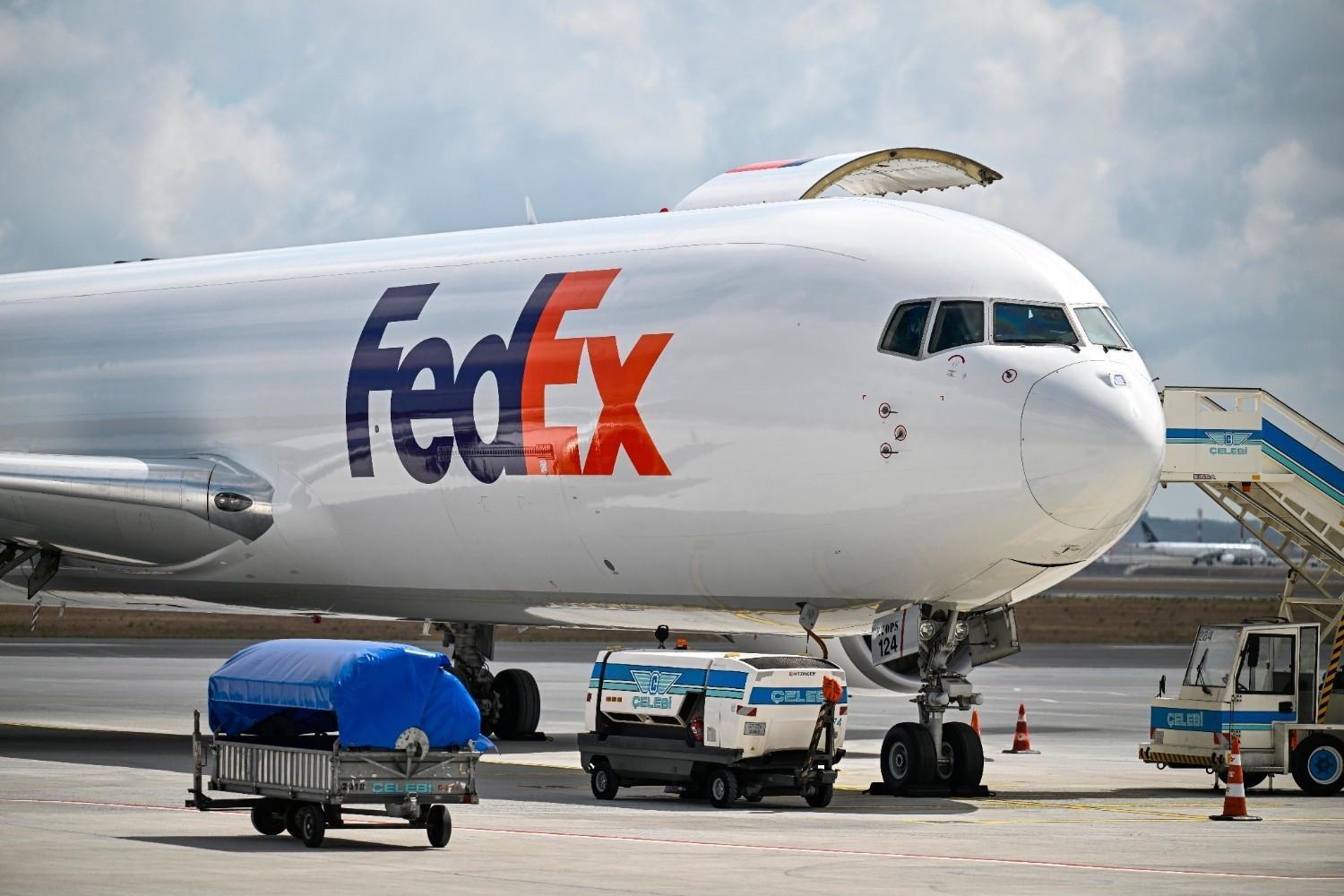
FedEx, listed on the New York Stock Exchange under the ticker FDX, operates a delivery model that shares similarities with Amazon's structure. Its independent contractors are known as Independent Service Providers (ISPs), rather than DSPs.
These businesses are not owned by FedEx. Some of their owners may also own one or several Amazon DSPs, meaning that the proposed restrictions could affect businesses connected to both delivery networks.
FedEx is a member of the New York Delivers coalition. Yet its role has been far less visible at public demonstrations opposing the legislation. The rallies have largely focused on Amazon DSP owners, and many of the workers attending have worn Amazon-branded clothing. FedEx has received little attention.
The relative silence is not limited to the opposition's demonstrations. Supporters of the Delivery Protection Act have also made few public references to FedEx during their rallies.
FreightWaves had contacted the company for comment, but no response had been received by the time of publication.
A decision with implications beyond New York
The outcome of the City Council negotiations could have consequences well beyond New York City. A similar regulatory approach is already being proposed in Chicago (Chicago proposal).
Although no other cities are currently known to be pursuing the same Delivery Protection Act model, the debate in New York has attracted national attention (national coverage). If the legislation is passed, its provisions could become a reference point for other municipalities considering how to regulate last-mile delivery operations.
For now, the central question is no longer simply whether New York will legislate on the sector. The focus has shifted to the content of the final agreement and the extent to which it will alter the relationship between major retailers, independent delivery companies and their workers.
With negotiations continuing inside the City Council, the coming weeks and months will determine whether lawmakers can establish stronger protections without dismantling a network of locally owned businesses that has become an important part of the city's delivery infrastructure.
END OF REPORT