Land Nov 20, 2026
PACCAR Recalls 6,185 Kenworth and Peterbilt Trucks for Radar-Related Braking Defect
The safety campaign involves 2027 model-year vehicles built from February through October. The manufacturer identified a software-related radar issue that could cause unintended braking after receiving eight warranty claims and eight field reports. There are no reports of any injuries or fatalities.
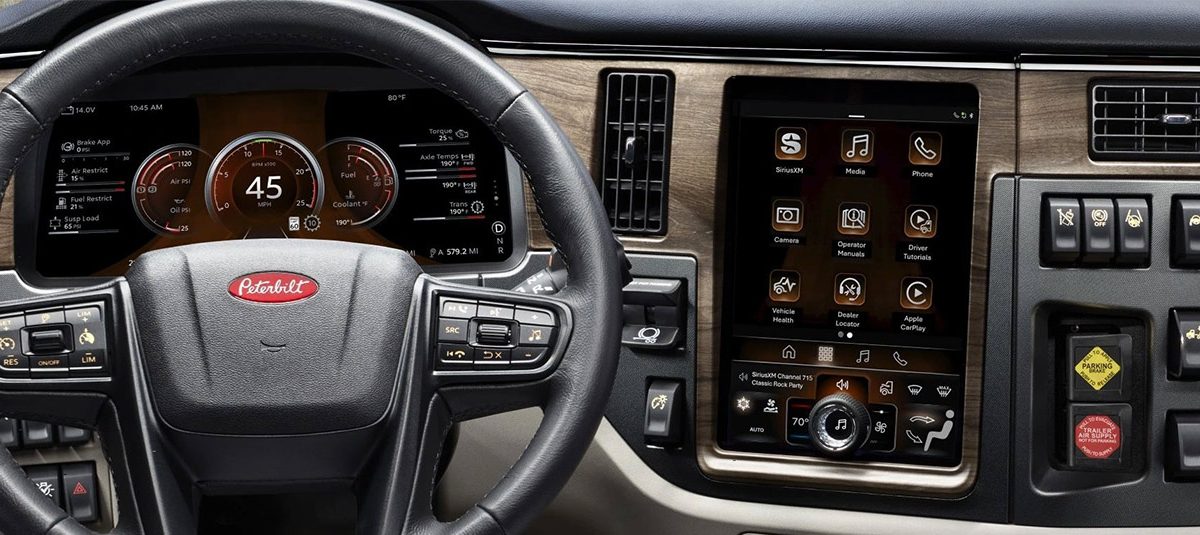
PACCAR is recalling 6,185 Kenworth and Peterbilt trucks because of a fault in their forward-facing radar systems that could lead to unexpected braking when trucks are driving near slow moving or stationary traffic in the left lane.
The problem impacts trucks made between Feb. 11, 2026, and Oct. 8, 2026. PACCAR disclosed the problem in a Nov. 11 recall filing with the National Highway Traffic Safety Administration (NHTSA).
The majority of affected vehicles are Kenworth T680 and Peterbilt 579 tractors. Combined, these models represent 5,498 trucks, all of them from the 2027 model year.
This latest action is at least the fifth recall PACCAR has issued involving its 2027 model-year trucks since July, according to NHTSA records. One of the previous campaigns was related to 5,919 vehicles that may have oil in their power distribution boxes and therefore an electrical defect.
PACCAR said there had been eight warranty claims and eight field reports potentially related to the radar malfunction as of Nov. 4. No deaths or injuries were reported, and the manufacturer estimated only about 0.1 percent of the recalled vehicles actually have the defect.
PACCAR also confirmed that its forward collision mitigation system is still operational. This function is not affected by the radar problem because the camera still detects objects travelling in the same lane, the company said.
The recall paperwork does not list a warning that drivers would get before an unintended braking event takes place. But PACCAR has not asked owners to stop running the affected trucks.
Faulty software parameters behind radar failure
PACCAR's investigation found the issue in the parameter calculator used to set up the radar system.
The calculator produces a software data set which in some circumstances is not written correctly into the radar memory.
Therefore the radar may not identify the specific parameters of the truck on which it is installed. Here the system defaults to a lateral position too far left of the actual position of the vehicle.
This misplacement can cause the radar to detect stationary or very slow moving objects in the left hand lane as relevant obstacles, even if they are not meant to trigger an emergency braking reaction.
This malfunction therefore allows the automatic braking to be activated even when there is no real danger to justify such an action.
PACCAR’s investigation resulted in the decision to recall in November
The manufacturer’s recall filing provides a detailed timeline for the investigation and remedial measures that were undertaken throughout October and November.
October 16, 2019 PACCAR’s safety and compliance team was alerted to field complaints concerning unintended automatic emergency braking events. After the reports, the company began storing potentially affected trucks at its manufacturing plants.
The software was fixed and re-released on October 19. The update was for vehicles that had remained at PACCAR plants and trucks still in production.
The company then met with Bendix, the supplier of the system, Oct. 20 and Oct. 30 to discuss the radar parameter problem.
After these discussions and its internal assessment, on November 4, PACCAR’s safety committee decided to move forward with a recall.
The final number of 6185 vehicles was determined by taking the radar part numbers and quantities supplied to PACCAR by Bendix, and subtracting the trucks already corrected at the manufacturing plants.
Emergency braking rules for heavy-duty trucks still on hold
The recall is happening amid ongoing discussions in the United States regarding regulations for automatic emergency braking on heavy commercial vehicles.
In June 2023, NHTSA and the Federal Motor Carrier Safety Administration (FMCSA) proposed mandating automatic emergency braking systems on newly manufactured trucks weighing more than 10,000 pounds.
The proposal came after growing focus on a spate of unexpected braking events in heavy-duty vehicles.
Three weeks before the agencies announced the proposal, NHTSA had opened a preliminary investigation of about 250,000 Freightliner Cascadia trucks. The enquiry was triggered by 18 complaints from owners of vehicles whose trucks had activated automatic braking systems when there was no apparent hazard.
But the regulatory process has lagged behind expectations.
The two agencies pushed the proposed requirement back to proposal stage in 2025. The US Department of Transportation’s regulatory agenda later established a target date of July 2026 for issuing a supplemental notice of proposed rulemaking.
That document has not yet been released, leaving unanswered the question of a mandatory automatic emergency braking requirement for heavy-duty trucks.
Software update will be carried out in the field
PACCAR's corrective action consists of a software update designed to resolve the radar memory configuration problem.
Rather than requiring owners to replace the entire radar system, the manufacturer plans to correct the affected software through a field update.
Dealers and vehicle owners are scheduled to receive notification letters on January 10, 2027. On the same date, the affected vehicle identification numbers (VINs) will become searchable through NHTSA's online recall database.
The campaign is registered under recall number 26PACL, with the NHTSA reference listed as 26V744000.
Owners seeking additional information can contact the manufacturers through their dedicated recall assistance numbers:
Peterbilt: 940-591-4220
Kenworth: 425-828-5888
Fleet operators will be able to use the VIN lookup service from January 10, 2027, to determine whether individual vehicles are included in the recall and require the corrective software installation.
What fleet managers need to consider
The recall stresses that fleet managers of Kenworth T680 or Peterbilt 579 tractors built since February should monitor their vehicles’ behaviour until the software correction is available.
The estimated rate of defects is relatively low, but unintended automatic braking can create operational and safety concerns, especially when trucks are travelling alongside slow-moving or stationary traffic in the left lane.
Fleet managers may therefore wish to inform drivers of the reported behaviour and identify affected vehicles prior to the January 2027 notification campaign.
The VIN lookup service, to be available on January 10, will give operators a way to identify which trucks need the update and to plan the required intervention across their fleets.
END OF REPORT