



Ports in the Arabian Gulf have become frontline casualties of the widening Middle East conflict, as maritime access through the Strait of Hormuz faces effective blockade conditions.
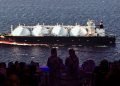
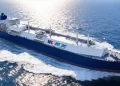
The Strait—just over 20 miles wide at its narrowest point—represents the sole maritime gateway for Gulf states heavily dependent on seaborne trade. According to 2024 data from MDS Transmodal, more than $570 billion worth of oil—nearly one-third of global seaborne oil trade by volume—moves through the region annually, alongside significant LNG exports.
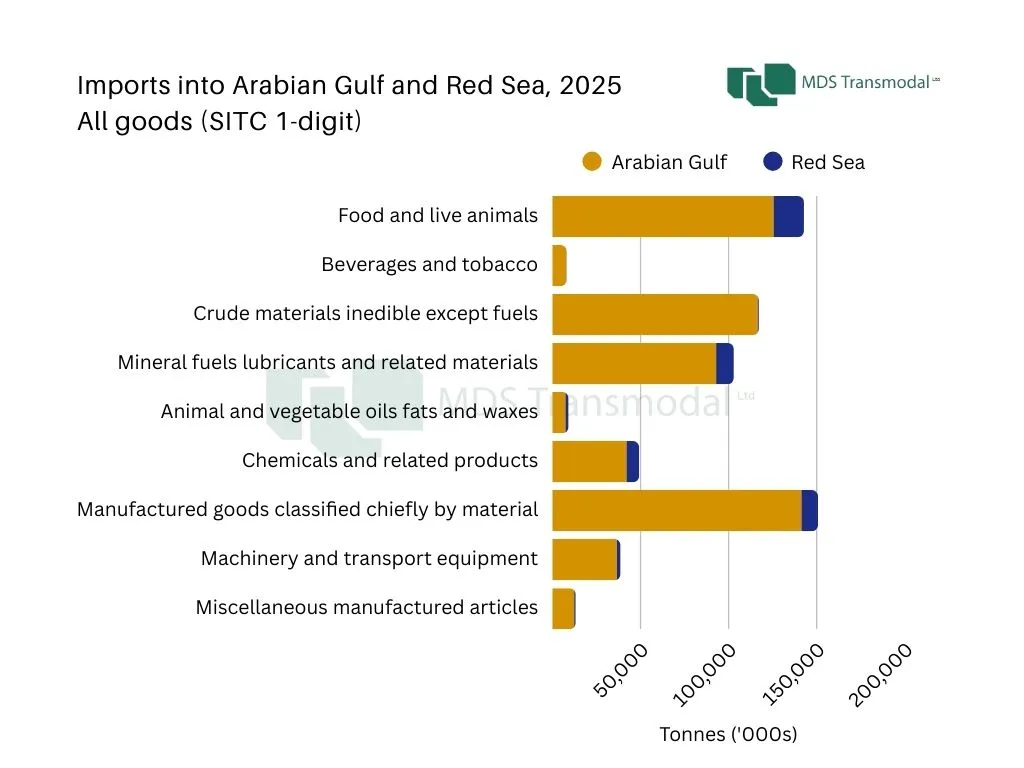
Beyond energy markets, food security is emerging as a concern. Gulf states rely heavily on imports of fruit, vegetables, grains and animal feed. While staple grains such as wheat and rice can be stockpiled for months, perishable products operate under tight just-in-time supply chains.
Analyst Antonella Teodoro notes that the risk may not initially be outright physical shortages, but affordability constraints. Countries with limited fiscal capacity and storage infrastructure could face rising prices and tighter availability if disruption extends from weeks into months.
The situation is compounded by renewed Houthi threats in the Red Sea and Bab el-Mandeb, creating a dual choke point effect that could impact Saudi Arabia and other regional economies.