Maritime Nov 12, 2026
Russian Diesel Tanker Bound for the US Suspends Voyage Amid Legal Uncertainty
The Malta-flagged Agioi Fanendes has stopped off the US East Coast as questions mount over the legality of its planned delivery. Washington maintains that the Russian diesel cargo could still reach global markets through another port.
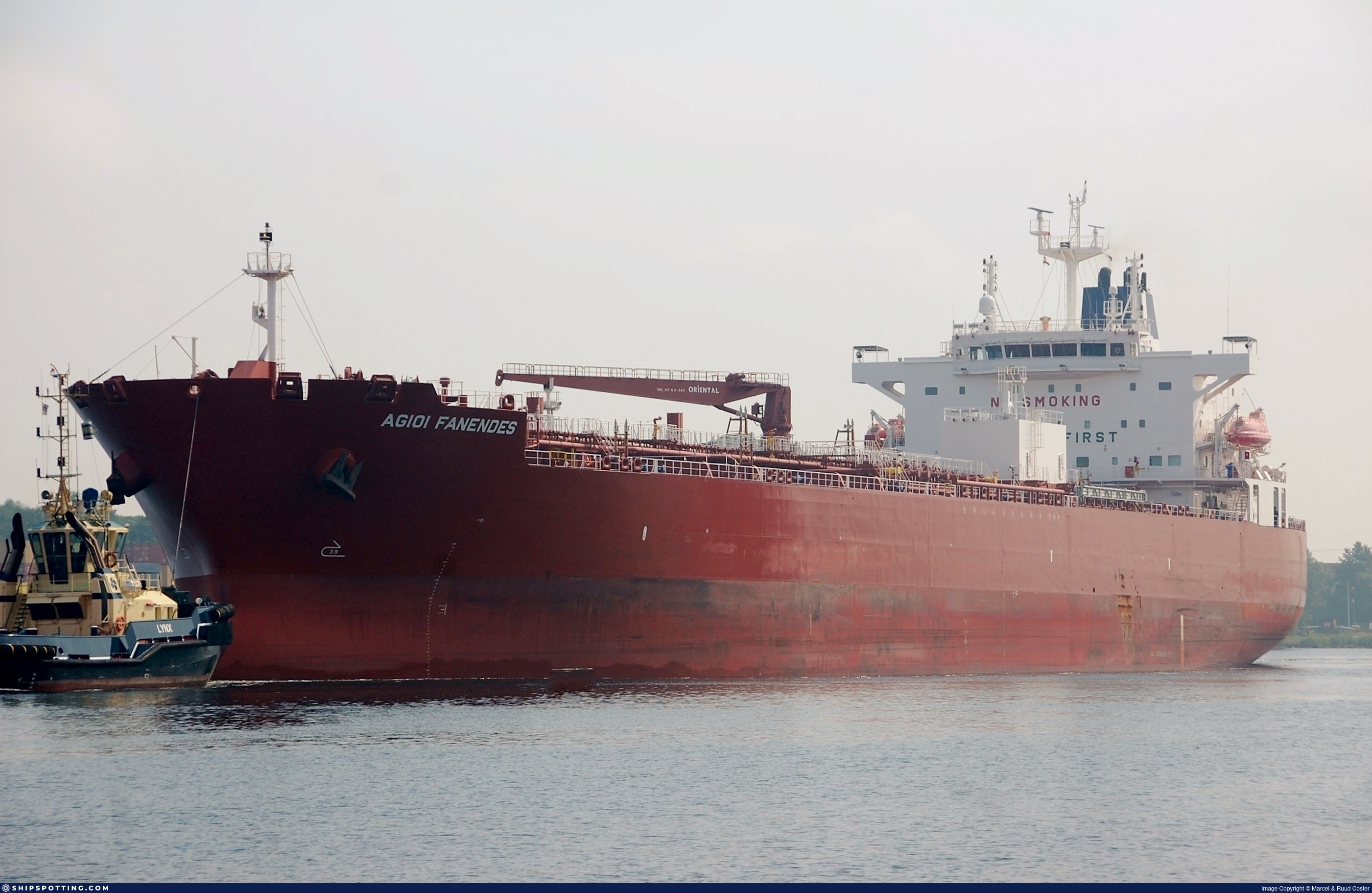
A planned shipment of Russian diesel has run into legal problems after the Agioi Fanendes tanker stopped its journey off the US East Coast. The development follows warnings from New Jersey Governor Mikie Sherrill and several U.S. lawmakers about the legality of allowing the vessel to unload its cargo in an American port.
The shipment is still shrouded in mystery, but the Trump administration expects the diesel to eventually make its way to the international market.
U.S. Energy Secretary Chris Wright said he had no concern the vessel would be turned away, even when he initially proposed New York as its destination. The administration’s priority was to get the fuel to the global market, he said, adding that the tanker could off-load at another port.
That delivery follows an unexpected deal announced last month by President Donald Trump with Moscow to import Russian diesel. The move was framed as part of a push to lower fuel prices before the US midterm elections this month.
But the proposed imports have met with criticism from a number of politicians, especially over the restrictions on Russian energy exports following the invasion of Ukraine.
Shipment destination questioned by legal challenges
New Jersey Governor Mikie Sherrill warned that bringing in Russian diesel could violate federal law. She also warned companies handling the cargo and operators using the ports could face steep civil and criminal penalties.
Republican and Democratic senators have likewise claimed that American law prohibits the introduction of Russian energy products to the market until Moscow stops its aggression against Ukraine.
The tanker’s planned arrival has been called into question because the administration believes that exemptions introduced under the latest sanctions framework could allow certain shipments to proceed.
According to shipping data, the Malta-flagged Agioi Fanendes stopped off the US East Coast on Tuesday. Originally the boat had indicated New York as its destination.
The tanker loaded about 40,000 tons of ultra low sulphur diesel (ULSD) at Primorsk, a Russian port on the Baltic Sea October 22. The cargo was supposed to be delivered on November 7.
But Greece-based Eastmed, which runs the vessel, said there was no nominated discharge port and the tanker was awaiting further instructions.
The company also said the vessel's destination had not changed and it was still awaiting orders.
Other tankers carrying Russian diesel that listed the US Atlantic Coast as their destination also changed their routes, according to shipping data.
Waivers to US sanctions spark debate on Russian fuel imports
The row comes as former President Joe Biden imposed restrictions in 2022, banning the import of Russian oil and petroleum products into the United States after Russia’s invasion of Ukraine.
President Trump last month waived portions of the new sanctions legislation targeting Moscow, potentially allowing more Russian shipments to the United States and international markets.
Under the volumes described by Trump, Russia would initially export 300,000 tons of petroleum products, or about 2.25 million barrels. It would be followed by shipments of 500,000 tons in November and another 1 million tons.
The administration has said the move is aimed at increasing available fuel supplies and helping to ease prices. But the legal worries raised by lawmakers have cast doubt over how the proposed shipments will be handled.
Tanker slows down sharply waiting for further instructions
Shipping analysts have also been watching the vessel’s movements.
The vessel Agioi Fanendes has slowed down significantly, down from about 10 knots several days ago to some 2 knots, said Ellie Valencia, senior analyst at Vortexa.
Valencia said the ship's reported status of "awaiting orders" could mean it hadn't yet found a specific buyer for its cargo.
Where the tanker will go next is unclear. The US administration expects the Russian diesel to reach international markets, but the legal debate around the shipment and the lack of a nominated discharge port remain a complication during the voyage.
END OF REPORT