Maritime Nov 12, 2026
Singapore extends global maritime leadership with Shanghai claiming second place
The ranking DNV and Menon Economics 2026 shows that Singapore still holds the top spot, with Shanghai passing Rotterdam and Abu Dhabi, and Athens and Busan making big strides among the world’s leading maritime hubs.
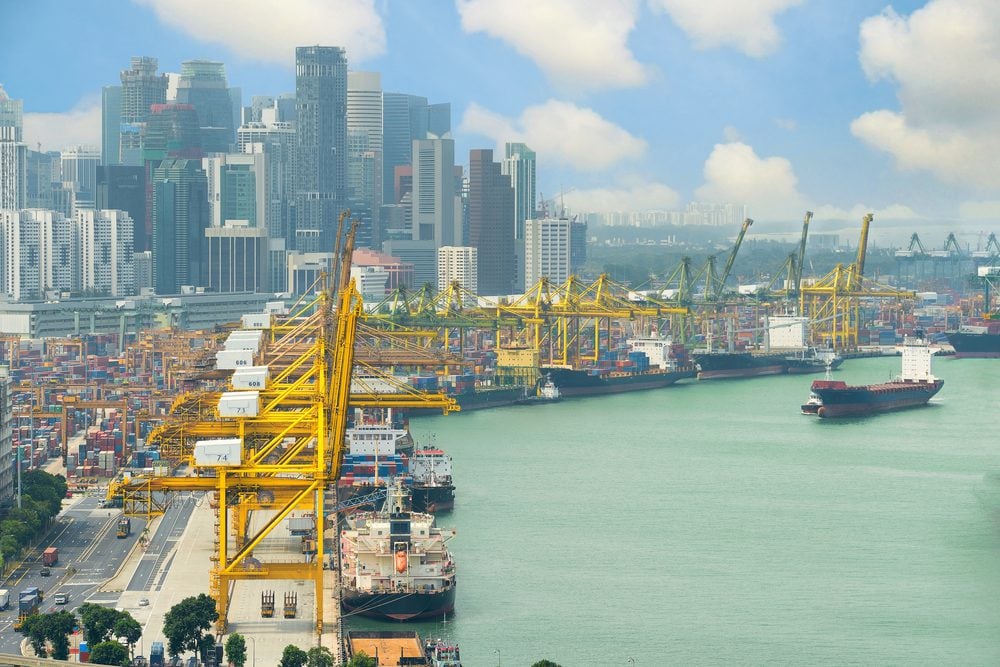
Singapore has maintained its status as the world’s leading maritime city, topping the 2026 edition of the Leading Maritime Cities of the World report by DNV and Menon Economics. Shanghai is up two places to second, pushing Rotterdam down to fourth, a big leap for the city.
Three Asian maritime hubs are in the top five globally in the latest ranking, reflecting the growing significance of the region. London remains in third place, but Tokyo moves up from seventh to fifth, pushing Oslo out of the top five. Asia has increased its presence in the top group with three cities, up from two in the 2024 edition.
Singapore’s key to staying on top is how it has performed across the different components of the assessment. In three of the five categories, Shipping, Ports and Logistics, and Attractiveness and Competitiveness, the city-state was best. It was also ranked third in Maritime Finance and Law and fourth in Maritime Technology.
It is strategically located in a strong integrated maritime ecosystem with high shipping traffic, international port connectivity, alternative fuel bunkering facilities and specialized marine services. These capabilities are supplemented by research organizations and government agencies.
The report said Singapore’s advantage is its capacity to combine these different elements better than other maritime hubs. But the findings also indicate that global maritime leadership is shared among cities with complementary areas of expertise.
Shanghai uses its industrial and technological strengths
Shanghai’s ascendance to the second spot illustrates the size of its maritime infrastructure and the closeness of China’s industrial and manufacturing base.
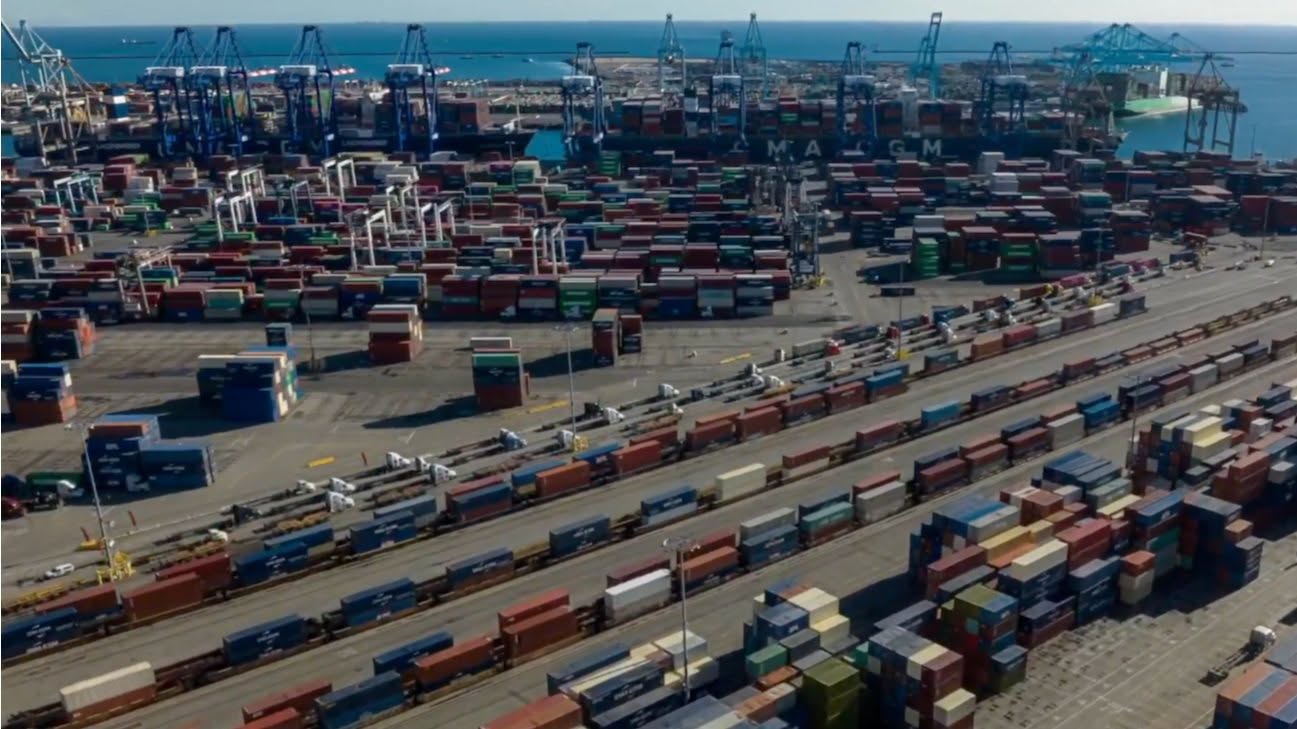
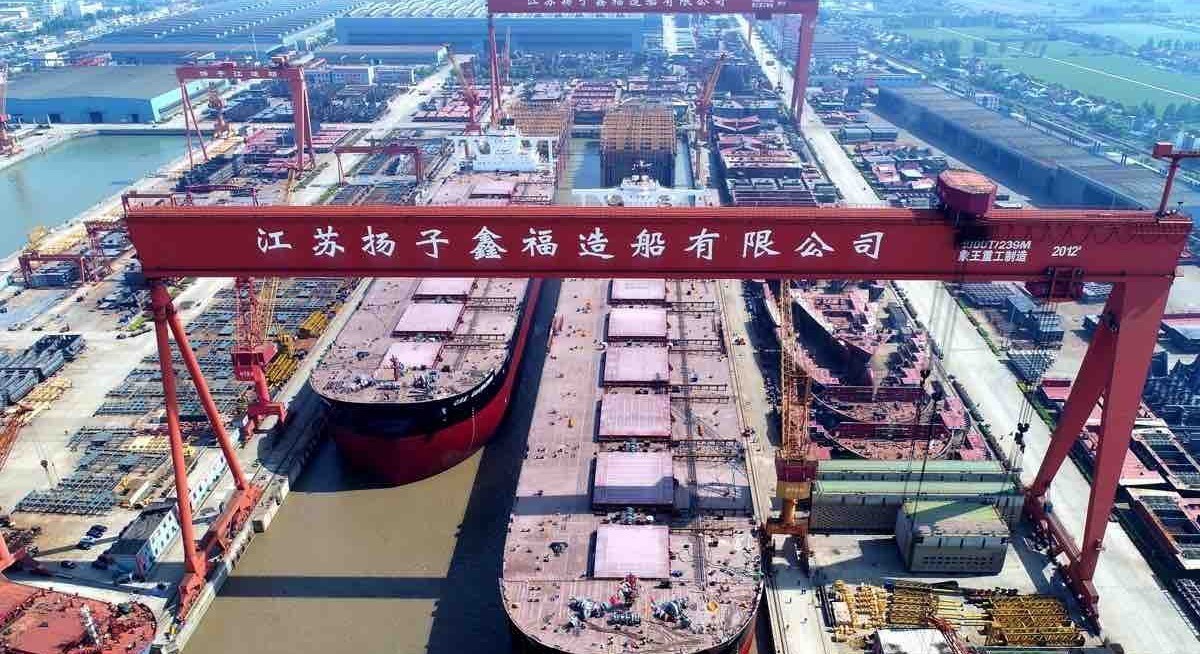
The Chinese city came first in the world for Maritime Technology, second for Ports and Logistics and third for Shipping. It has major assets to back it: the world's largest container port, large shipbuilding capacity, a significant number of maritime patents and a large, high-value fleet.
These pluses, combined with its industrial connections, have strengthened Shanghai's status as a major international maritime center.
London, still third overall, is another model of maritime leadership. London may not have the world's biggest fleet or a major container port but it still retains its international reputation for maritime finance, legal services, insurance and dispute resolution. London topped the rankings for Maritime Finance and Law due to these specializations.
In the meantime Rotterdam has fallen from second to fourth place. The Dutch city drops in the overall ranking, but it remains a top maritime hub, especially in the fields of port infrastructure, alternative fuels, digitalization and maritime resilience.
Tokyo’s leap from seventh to fifth place, back in the top five, demonstrates the strengths it has long possessed in shipping and industry. Its strengths are fleet ownership, marine insurance, ship finance, human capital and maritime technology.
UAE maritime cities have mixed performance
The 2026 assessment saw the two major maritime hubs of the United Arab Emirates moving in opposite directions.
Dubai fell one spot from 11th to 12th overall, while Abu Dhabi made a significant leap, moving up seven places from 22nd to 15th.
Dubai, meanwhile, fell down the overall standings but was one of the best performers in the Attractiveness and Competitiveness category. It moved up from 15th to sixth place, the biggest jump among cities that were in the top 15 in both the 2024 and 2026 editions.
Abu Dhabi also boosted its position in this category, breaking into the global top 15 for the first time in 13th place.
The two Emirati cities together obtained the highest score on the entrepreneurship indicator, surpassing Taipei and Antwerp. This result is indicative of the conducive environment for business creation and development in the maritime clusters of the Gulf area.
Singapore was also ranked as the top choice for maritime headquarters among industry experts, followed by Dubai. Dubai and Abu Dhabi along with Copenhagen came fourth in the newly introduced world competitiveness indicator.
Abu Dhabi also climbed the ranks in the Maritime Finance and Law rankings, up from 31st to 15th. This ? Seven category No, this 16-place improvement was the biggest advance recorded in that particular category.
The report also noted the growing importance of the Middle East in international maritime activity, particularly as a strategic hub for energy, commodities and trade flows linking Asia, Europe and Africa. The regional influence is further magnified by the development of specialized maritime services and financial capabilities.
Athens, Busan strengthen their international standing
Outside the established leaders, Athens was one of the biggest movers in the overall ranking.
Greek capital jumped from 35th in 2024 to 13th in 2026, demonstrating the huge clout of its shipowning community. Internationally, Greece’s importance in ship ownership was underscored by Athens’ second place globally in the Shipping category, behind Singapore.
Busan also had a good recovery, moving up from tenth to seventh overall. The South Korean city, one of the world’s major shipbuilding centers, was ranked second in Maritime Technology worldwide.
The results demonstrate how cities with strong industrial specialization and established maritime expertise can improve their international profile, even if they do not rank first in every assessment category.
A more extensive survey of the world's maritime centers
The 2026 edition is the seventh of the Leading Maritime Cities of the World report series. For its evaluation, more than 15,000 cities were considered and 50 candidates were selected for the final ranking.
The methodology included 48 objective and subjective indicators in five categories. Input from 208 maritime experts contributed to the assessment.
For the 2026 edition DNV and Menon Economics have updated their methodology to reflect developments that are transforming the maritime industry. New measures were added for fleet energy efficiency, shore power availability, alternative-fuel infrastructure, start-up activity, engineering research and human capital.
These additions indicate the increasing importance of environmental performance, technological development and workforce capabilities for the competitiveness of maritime cities .
Decarbonization, geopolitical disruption and AI redefine maritime leadership
The report identifies geopolitical instability, maritime decarbonization and artificial intelligence as key forces changing the demands placed on international maritime hubs.
With changing trade routes, regulatory uncertainty and growing pressure to invest in new technologies and alternative fuels, the traditional benefits of geographical location and port infrastructure are no longer enough for shipping networks.
Maritime cities must increasingly show that they can support operations today and prepare their wider ecosystems for longer-term changes that will affect trade, regulation, as well as technology and workforce requirements.
The report insists the most powerful maritime centers will be those that can combine operational competitiveness with the ability to anticipate and adapt to these transformations.
END OF REPORT