Maritime Nov 19, 2026
Smaller Tankers Gain Ground in Strait of Hormuz as Oil Shipping Patterns Shift
Attacks on large crude carriers and rising freight rates are reshaping tanker operations in the Strait of Hormuz, with Suezmax and Aframax vessels playing an increasingly important role in maintaining oil exports from the Persian Gulf.
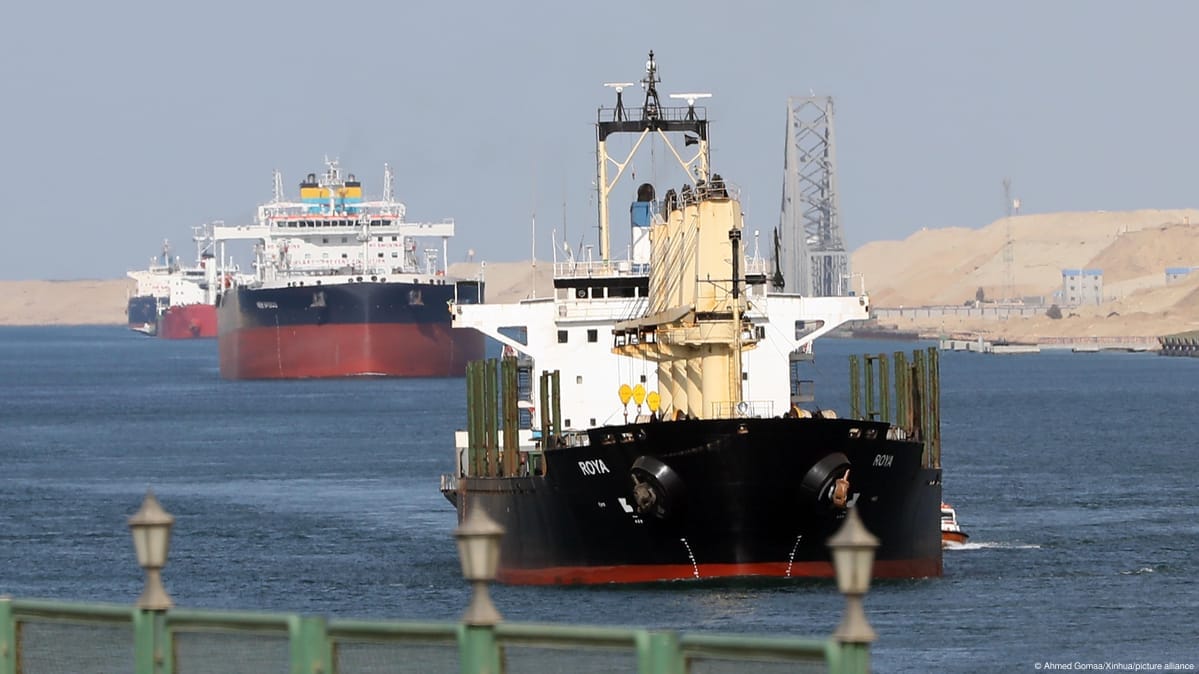
The Strait of Hormuz is seeing a major shift in the mix of tanker traffic as security threats and rising transportation costs are changing crude oil shipping operations. Some big vessels have been taken out of service due to attacks on supertankers, forcing oil companies to turn to smaller capacity tankers to maintain shipments out of the Persian Gulf.
Regional oil transport is starting to see a more prominent role for Suezmax and Aframax vessels. Vortexa data shows a big increase in the volumes shipped by these two tanker categories through the Strait of Hormuz in recent months. Together, their volumes exceeded 2 million barrels a day in October, the highest level since the start of the conflict. Meanwhile, the region increased its total daily oil exports to 11.4 million barrels.
Before the war, crude oil exports from the Persian Gulf relied heavily on Very Large Crude Carriers, or VLCCs, which can carry up to 2 million barrels per trip. VLCCs account for about 72% of vessels transiting the Strait of Hormuz, BRS Shipbrokers said. But attacks on large crude carriers have thrown a wrench in their works and shipping companies and oil traders are exploring other arrangements.
Demand has grown for Suezmax and Aframax tankers, which can carry less than half the cargo of a VLCC, in this shifting environment. Shipbrokers and oil traders say they're increasingly being used to carry crude from Iraq, Kuwait and Qatar. Once through the Strait of Hormuz, the tankers can either offload their cargoes to other vessels or sail directly to their destination ports. “India has also become a key market for these shipments.
Recent vessel movements show how this strategy is being implemented. Vessel tracker data shows that the Suezmax tanker Lucia A has loaded at least four cargoes of Iraqi crude oil since June. Its shipments have been sent to other tankers waiting in the Gulf of Oman or unloaded at Egypt's Ain Sukhna port on the Red Sea. The vessel in November loaded a fifth Iraqi crude cargo.
A second Suezmax, the Ture, loaded its third cargo of Iraqi crude last week. Prior to these shipments, the tanker had been used to transport Russian crude from western ports to India. Earlier operations were carried out under the framework of the G7 oil price cap mechanism.
Another incentive for the industry to turn towards smaller vessels is developments in the freight market. Since the conflict began, VLCC freight rates have risen more steeply than those for other tanker categories, making large-capacity shipments considerably more expensive. Shipbrokers say freight rates for Suezmax tankers on the Persian Gulf-China route are now approximately one third to just under half the benchmark rate charged by VLCCs on the same route.
The increasing use of smaller tankers is a manifestation of the cumulative effect of maritime security concerns, vessel availability and changing freight economics. Larger crude carriers continue to face challenges in the Strait of Hormuz, but Suezmax and Aframax vessels are helping to keep oil flowing from one of the world's most strategic energy exporting regions.
How far this shift becomes a permanent feature of Persian Gulf oil transportation will depend to a large extent on the evolution of the conflict, the degree of security risks for commercial shipping and future trends in tanker freight rates.
END OF REPORT