Maritime Nov 20, 2026
Tanker freight rates rebound as renewed attacks heighten risks in the Strait of Hormuz
A fresh wave of attacks against commercial vessels has interrupted the recent decline in tanker rates, while the IEA warns that confidence in the Strait of Hormuz as a reliable global energy corridor may never fully recover.
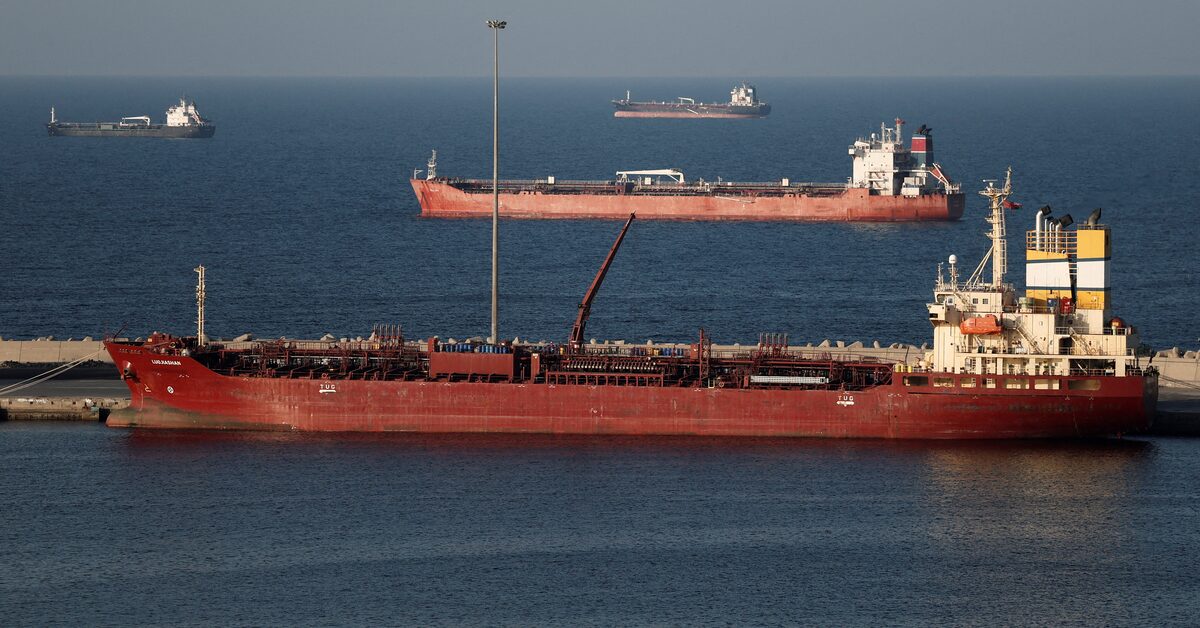
A renewed escalation of maritime hostilities in the Strait of Hormuz has brought an end to the recent downward trend in tanker freight rates. The latest attacks on commercial vessels have revived concerns over the security of one of the world's most strategically important maritime passages, with potential consequences for energy transportation in the months and years ahead.
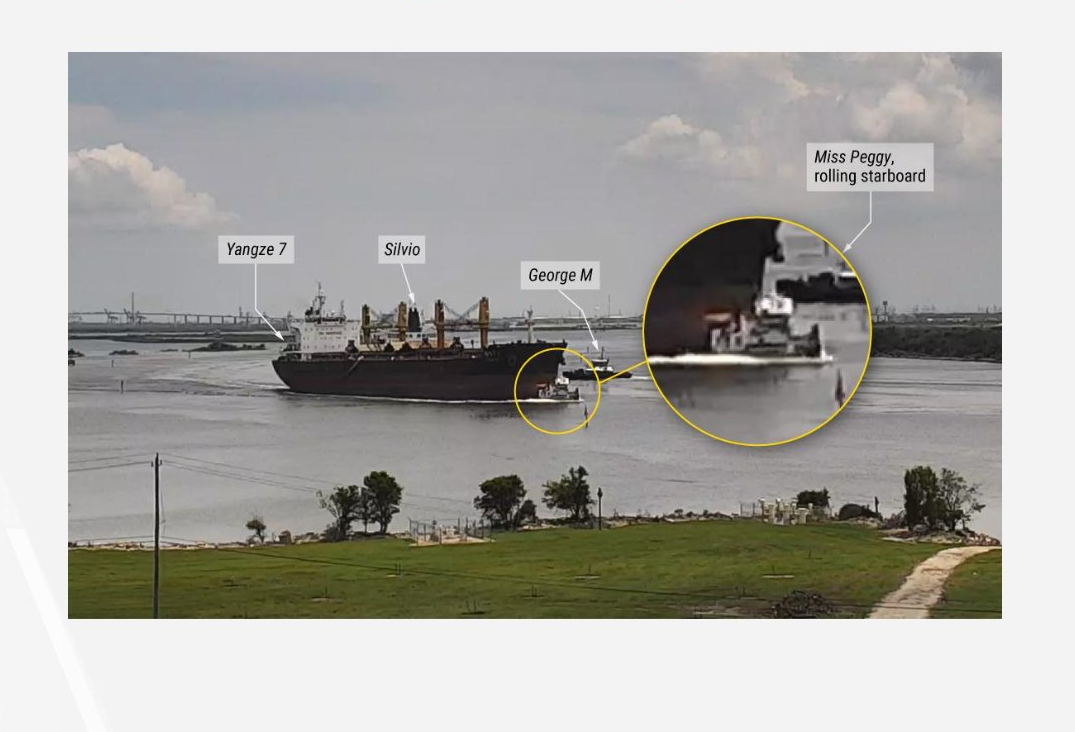
As many as six tankers have reportedly been struck by mines or targeted by missiles since the beginning of the week. One incident, captured on video by local fishermen, showed a vessel engulfed in a massive fireball following an attack. According to local reports, the crew abandoned the ship immediately after the impact. With insufficient time to deploy the lifeboats, seafarers reportedly jumped directly into the water before being rescued by an Omani maritime search and rescue team.
The deterioration in security conditions has already translated into higher freight rates. On 19 November, the Baltic Dirty Tanker Index reached 4,812 points, representing an increase of more than 5% compared with the previous day. The index has also advanced by over 7% since the beginning of the week, reversing part of its recent decline.
VLCC freight markets mixed movements
This weekly rebound, however, is not enough to lift the increase to the very high levels seen in the Very Large Crude Carrier (VLCC) market.
The Baltic Market Report last Friday showed the Middle East Gulf-China route down 188 points to WS1014. “This translated to a round-trip time charter equivalent (TCE) of more than $1.078 million per day for a typical Baltic VLCC.
The Gulf of Oman-China route also saw a big correction, losing 234 points to around WS311, which translates to a daily TCE of $307,160.
Other major VLCC routes were also falling away. West Africa–China rates lost 210 points to settle at about WS288, for a round-trip TCE of $267,748 per day. Meanwhile, US Gulf–China trade also fell, with the daily TCE decreasing to $247,973.
Thus, recent security developments have arrested a broader downtrend in tanker freight markets, but the extent of the rebound in rates is unclear.
Crude oil prices drop amid renewed tensions disrupt
Rising tensions in the Strait of Hormuz have affected oil markets, halting for now a recent sharp decline in crude prices.
Brent crude rose toward $93 per barrel on Wednesday, adding nearly 1% in the session. West Texas Intermediate (WTI) also edged toward $84 per barrel before giving some of its gains back later in the session.
But analysts say the market reaction to the latest attacks has been much more muted than in the early days of the Gulf conflict.
Part of the explanation is that regional energy exporters are taking steps to keep international supplies flowing despite the disruptions around the Strait of Hormuz.
Saudi Arabia has increased crude shipments through its East-West Pipeline, which links production fields to the Red Sea port of Yanbu. The United Arab Emirates has also been relying more on its pipeline infrastructure leading to Fujairah on the Gulf of Oman.
These alternative export routes have contributed to reducing the immediate vulnerability of regional energy supplies to disruptions in the Strait.
IEA warns confidence in Hormuz may not be restored
Besides the immediate impact on freight markets and oil prices, the longer-term outlook for the Strait of Hormuz is becoming increasingly uncertain.
In a guest essay published in The Economist’s The World Ahead 2027 on Wednesday, International Energy Agency (IEA) Executive Director Fatih Birol cast doubt on the prospect of restoring the maritime corridor to its old strategic place.
“I do not see any credible pathway back to the situation that existed in February 2026,” Birol said, pointing to the implications of the disruption to shipping movements through the strait.
He also cautioned that the interruption of sea traffic had shown how quickly energy markets could be thrown into turmoil when this vital route was no longer open.
“The confidence of shipping operators and energy traders in the Strait of Hormuz as a safe and dependable route for transporting energy and other goods has been dealt a severe blow,” Birol said. He warned such a disruption could happen again.
Tanker and LNG shipping: longer term implications
These concerns have huge implications for owners of both crude oil tankers and liquefied natural gas (LNG) carriers.
For decades, some of the most important trading corridors for both vessel segments have been long-haul export routes connecting Gulf producers with markets in Asia and Europe. Their strategic importance has been closely associated with the Strait of Hormuz and the dependability of maritime traffic through the strait.
If Birol is right, then the security and commercial assumptions underpinning these trades over the long term may need to be revisited by shipping companies.
While the increased use of alternate pipelines may reduce some of the region’s reliance on the Strait, it does not remove the strategic risks posed by disruptions at sea.
For tanker and LNG operators, the latest developments indicate a potentially permanent shift in the global energy shipping landscape. But rebuilding the confidence that once underpinned the corridor’s dominance could be much harder than getting traffic through Hormuz back to normal eventually.
END OF REPORT