



Texas Takes Gerber to Court Over Alleged Heavy Metal Contamination in Baby Food
Texas Attorney General Ken Paxton is seeking more than $10 million in penalties, alleging that the Nestlé-owned brand sold baby food containing elevated levels of lead, arsenic and cadmium. Gerber maintains that its products meet FDA limits and are subject to extensive testing and quality controls.
Categories: Logistic, Business, World
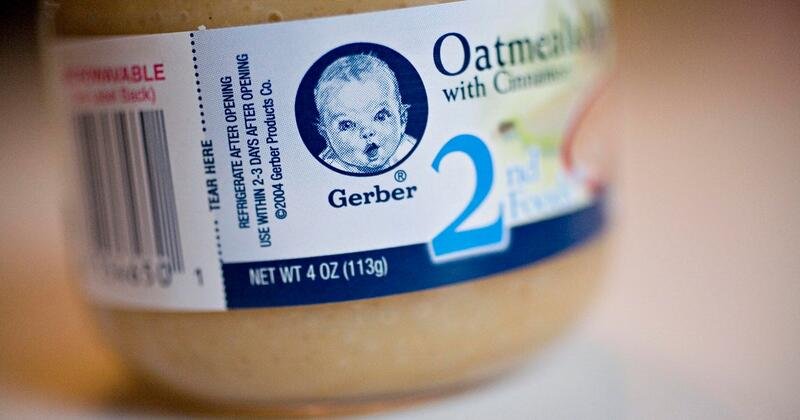
Texas has filed a lawsuit against Gerber, the baby food brand owned by Nestlé, accusing the company of misleading consumers about the safety of its products and allegedly selling food containing dangerous levels of heavy metals. Attorney General Ken Paxton is seeking more than $10 million in penalties, arguing that the company violated state consumer protection laws.
According to the lawsuit filed in a Texas district court, Gerber baby food contained elevated levels of lead, cadmium and arsenic between 2017 and 2019. Paxton alleges that the company knowingly sold products containing these contaminants while presenting them to parents as safe for infants and young children.
Gerber has rejected the implications of the allegations. In a statement emailed to Food Dive, a company spokesperson said its baby food complies with FDA limits for heavy metals and that every product undergoes testing for more than 500 toxins and contaminants. The company also emphasized its long-standing efforts to reduce heavy metal levels, acknowledging that these substances cannot be completely eliminated from the food supply.
Gerber answers Texas lawsuit questioning earlier safety concerns
Gerber did not tighten its testing protocols and safety standards after a 2021 congressional probe into heavy metals in baby food, the lawsuit says. That investigation raised concerns about the presence of potentially dangerous substances in products intended for infants and toddlers.
The results led the U.S. Food and Drug Administration (FDA) to start its nationwide Closer to Zero initiative. The program is designed to steadily set limits for arsenic, cadmium, mercury and lead to cut down children’s exposure to food contaminants.
Progress has however been modest. The FDA has set limits for lead, but has not set equivalent limits for all of the other heavy metals covered by the initiative.
Levels of heavy metals found in baby food had declined from previous years, according to Consumer Reports testing in September. But some products made by Gerber and other manufacturers still had troubling levels of inorganic arsenic, the consumer group said.
Gerber says ingredient controls and testing procedures
Gerber says its internal safety requirements are intended to reduce the presence of heavy metals within its supply chain. The company attributes its method to careful ingredient sourcing, supplier requirements, product testing and quality control procedures.
A spokesperson said they also help position Gerber as the most recommended baby and toddler food brand by pediatricians in the United States.
The company has also implemented other measures to increase transparency, such as publishing its product test results via QR codes on its packaging. The move is part of its efforts to comply with a California state law requiring more disclosure of heavy metal content in baby foods.
But Paxton says these measures haven’t changed the company’s basic safety claims. His lawsuit seeks to hold Gerber responsible for what he calls a disconnect between the promises made to parents and the results of the company’s own testing.
Investigation into Gerber predates latest lawsuit
The lawsuit is the latest in a sweeping probe launched by Paxton in 2025 of Gerber and Plum Organics, a baby food brand owned by Sun-Maid Growers of California. The probe focused on complaints about the presence of heavy metals in products sold for young children.
Last month, Paxton announced an agreement with Plum Organics that would strengthen testing requirements and stop products from being shipped if contaminant levels are above applicable FDA or European Union thresholds.
A recent agreement is an example of steps Texas authorities want to see throughout the baby food industry. Gerber is being sued, raising new questions about the company’s testing and promises to consumers about safety.
Heavy metals in baby food can be the result of natural and industrial processes
Lead, arsenic and cadmium are naturally occurring in the earth’s crust and can be taken up by agricultural products as they grow. Fruits, vegetables and grains, common ingredients in baby food, can take up these substances from soil and other environmental sources.
Agricultural and manufacturing processes can also contribute to the presence of heavy metals in the food chain, making it difficult for food producers to eliminate them entirely. Manufacturers face increasing pressure to limit their exposure and demonstrate that their products meet relevant safety standards.
“When talking about the larger conversation around baby food safety, it’s really about the difference between presence, which is inevitable in the environment, and potentially unsafe levels. Gerber says its products meet Food and Drug Administration standards, but the lawsuit questions whether the company did enough to protect its products in the time frame cited by Texas officials.
Paxton makes food safety a prominent issue in his political agenda
The lawsuit also comes as Paxton is campaigning for a U.S. Senate seat and as food issues are a growing focus tied to the Make America Healthy Again movement. By focusing on food safety, ingredient transparency and public health, the movement has gained bipartisan political support.
The Texas attorney general has opened investigations into big food companies beyond baby food makers over claims about ingredients like avocado oil. His office has also begun asking manufacturers about their efforts to eliminate artificial food dyes from their products.
These actions put the Gerber case within the framework of a larger campaign against food industry practices and the truth of the claims made to consumers.
In a statement announcing the lawsuit, Paxton said Gerber had promised parents its food was safe and rigorously tested while its own tests supposedly showed the presence of toxic metals. “Companies that make promises about products that are supposed to be for babies have to be accountable for ensuring those promises are kept,” he said.
The case now adds to the pressure on baby food manufacturers to show the effectiveness of their testing programs, tighten supply chain controls and provide parents clearer information about potential contaminants in products meant for their children.