



The United States has stepped back from a direct threat to strike Iranian power infrastructure, signaling a temporary de-escalation just hours before a self-imposed deadline linked to the reopening of the Strait of Hormuz.
President Donald Trump had previously warned that if the strait was not fully reopened to shipping traffic within 48 hours and without threat to maritime movement, the US would target power plants in Iran.
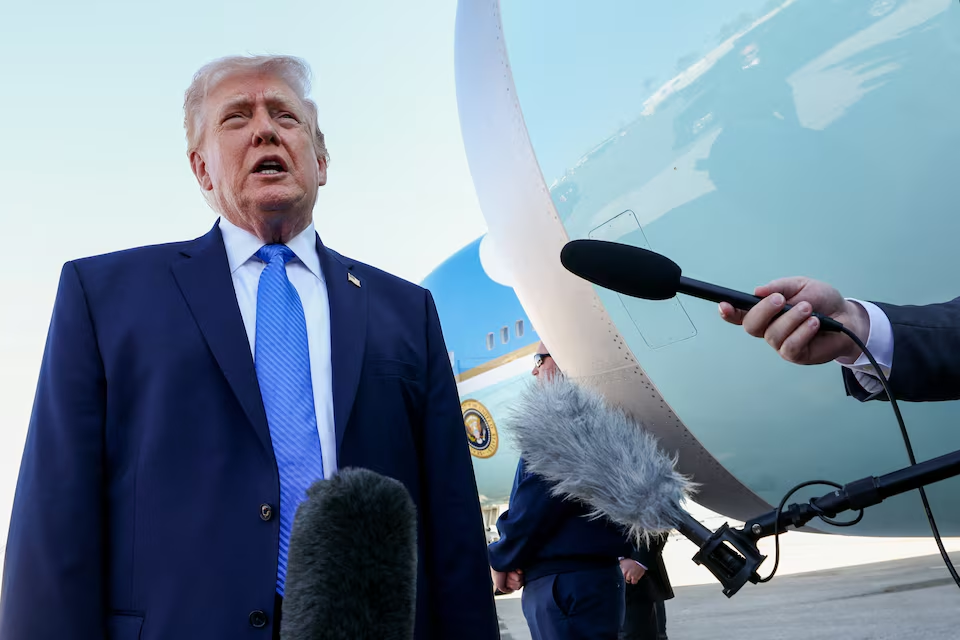
But in a new statement issued a day later, Trump said the US and Iran had held what he described as “very good and constructive conversations regarding a complete and total resolution of hostilities in the Middle East.”
He added that discussions would continue throughout the week and said he had instructed the military to postpone any strikes on Iranian power plants and energy infrastructure for five days.
The change in tone marks a notable shift from the previous warning, which had raised fears of a further escalation with potentially major consequences for energy markets, regional security and global shipping.
Iran, however, publicly disputed the suggestion that diplomatic engagement was underway. According to the BBC, Iran’s Fars News Agency — which is affiliated with the Islamic Revolutionary Guard Corps — quoted an unnamed Iranian source as saying there had been “no direct or indirect contact with Trump.”
The same source reportedly claimed that after hearing that Iranian targets would include all power stations in West Asia, Trump had backed down.
Markets reacted quickly to the perceived easing of immediate escalation risk. Brent crude, which had previously been rising, reversed course and fell 13%, dropping to around $96 per barrel.