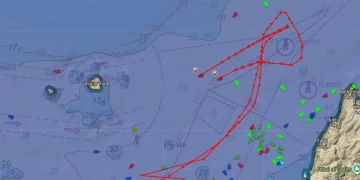




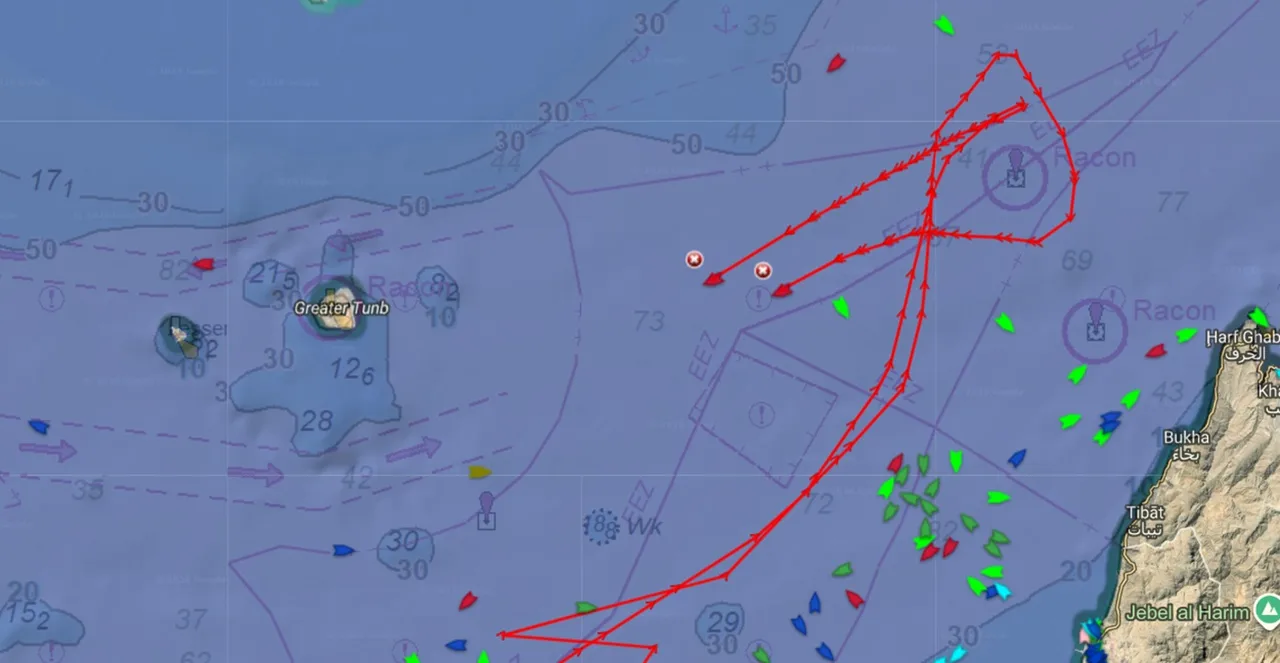
Two LNG carriers departing Qatar reversed course before entering the Strait of Hormuz on 6 April, underlining how unstable and unpredictable shipping decisions remain in the Gulf. Tracking data showed the Marshall Islands-flagged Rasheeda and the Bahamas-flagged Al Daayen turning around at around 06:50 UTC after reaching the western entrance to the strait.
Both ships had sailed over the weekend from waters off Ras Laffan, home to Qatar’s massive LNG export complex. Rasheeda, built in 2010 and owned by Qatar Gas Transport Co, had been in Ras Laffan since 26 February, shortly before the war in Iran began. Al Daayen, a 2007-built vessel owned by Bermuda-based Seapeak, had been there since 27 February and was listed as heading for China.
The reason for the course reversal has not been confirmed, and it remains unclear whether the vessels had received Iranian approval to transit. Iran has repeatedly targeted Qatar during the conflict, including a strike on the Ras Laffan LNG plant last month and an attack on the QatarEnergy-chartered fuel tanker Aqua 1 on 1 April.
So far, only one LNG carrier, the Oman- and Japan-linked Sohar LNG, has crossed the strait since hostilities began, arriving in Muscat on 3 April while sailing in ballast. The stakes are high: Qatar is the world’s second-largest LNG exporter, and about one-fifth of global LNG supply comes from the Arabian Gulf. Any prolonged disruption therefore risks deepening the current energy crisis.