Air Nov 10, 2026
UAE opens a new air route to get winter aid into Gaza
Dubai Humanitarian is running C-130 flights that bring UNICEF-sourced thermal blankets and other essentials to Egypt, working around the delays and access limits that have slowed deliveries by road into Gaza.
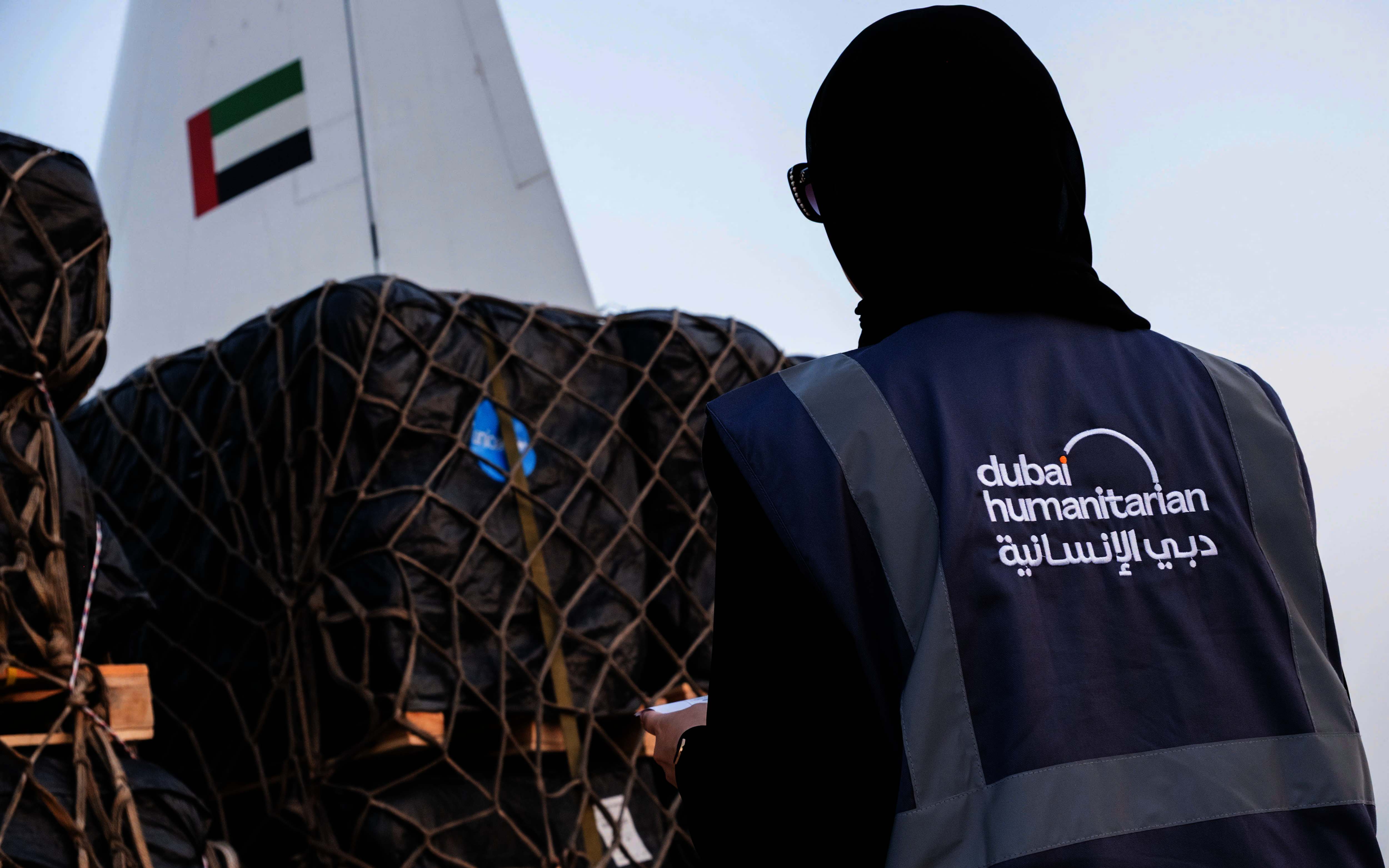
As winter approaches, logistical obstacles are again hampering the delivery of essential humanitarian aid to Gaza, prompting Dubai to ramp up its air transport operations. With overland routes facing long transit times and access constraints, a new humanitarian air bridge is being used to accelerate the movement of winter relief items, particularly thermal blankets for children and other vulnerable communities.
It was launched on October 23, 2026, on the directive of Sheik Mohammed bin Rashid Al Maktoum, Vise President and Prime Minister of the UAE and Ruler of Dubai and is coordinated by Dubai Humanitarian and supported by international humanitarian partners.
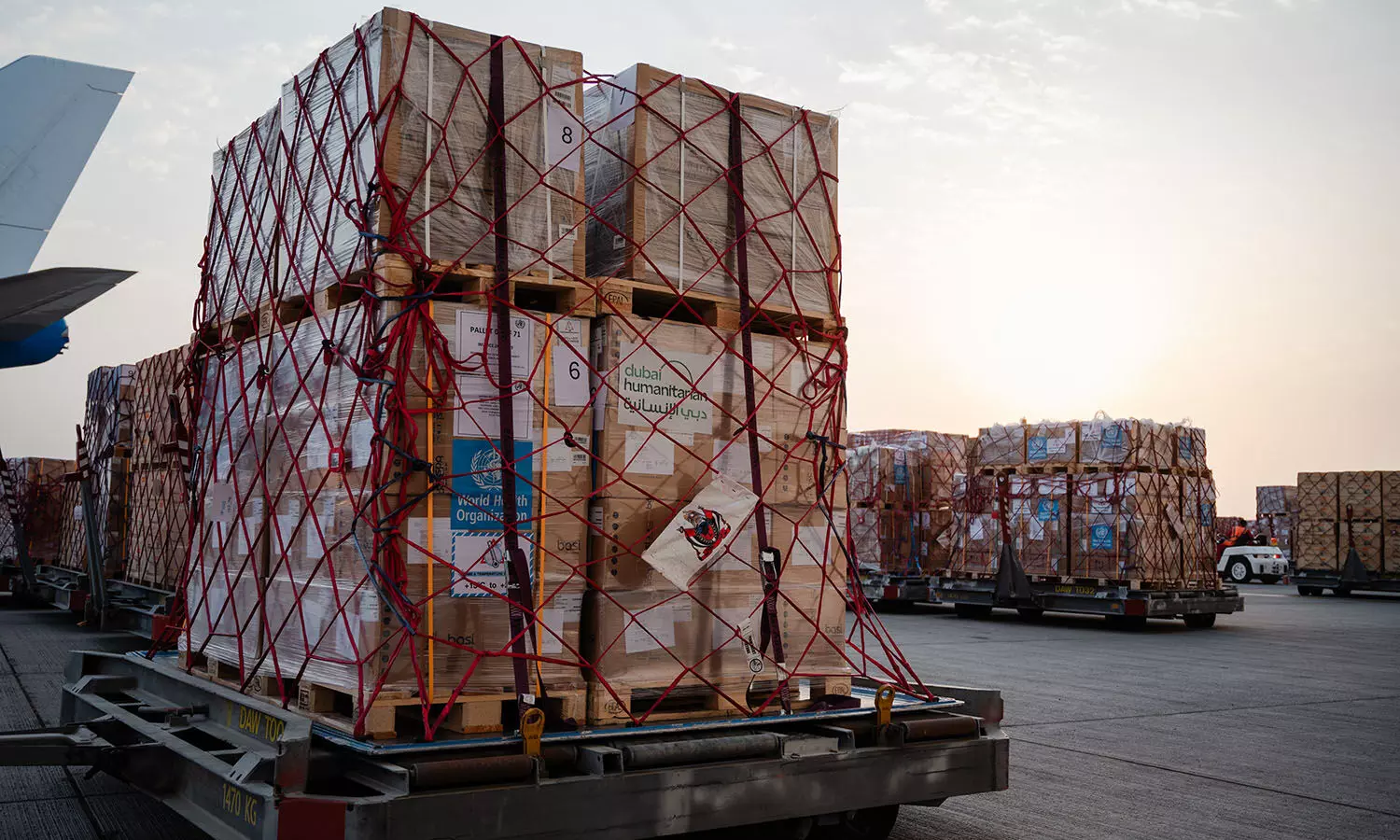
The first shipment has already arrived in Egypt's Al Arish and the supplies are due to continue their journey into Gaza. The Dubai Royal Air Wing is flying C-130 aircraft, each able to carry some nine metric tons of humanitarian cargo.
There have been four airlifts so far, most carrying vital winter supplies, including thermal blankets bought by UNICEF. “The immediate goal is to ensure that children and other particularly vulnerable groups are protected from the falling temperatures before the colder months arrive.
Strengthening humanitarian supply chains through coordinated procurement
But in addition to the immediate delivery of winter supplies, the operation also marks a major step forward in the coordination of international humanitarian supply chains.
The consignments are of UNICEF supplies under the first coordinated sourcing order of the UN80 Integrated Supply Chain Approach. This framework pools resources from various UN agencies to enhance joint procurement and distribution of essential humanitarian supplies.
Dubai Humanitarian is working with its international partners to turn this vision into practical logistics operations. The initiative is intended to accelerate the delivery of aid to affected populations, reduce delays and improve efficiency by linking procurement activities with transport planning and delivery capabilities.
Marwan Ahmed bin Ghalita, Chairman of the Dubai Humanitarian Authority, stressed the importance of ensuring that winter relief reaches families already suffering from dire conditions.
“Winter is a hard season for families who have already faced so many hardships, and especially for children. The first batch of the new air bridge was facilitated on the instructions of Sheik Mohammed bin Rashid Al Maktoum and arrived in Al Arish for further transfer to Gaza. “This operation is proof of Dubai Humanitarian’s enduring position as a trusted global hub for convening humanitarian partners, facilitating their efforts and delivering aid to those in need,” he said in an official press release published on 23 October 2026.
Why air transport is prioritizing winter supplies
The prioritization of thermal blankets and other seasonal relief items for aircraft capacity is emblematic of the logistical constraints currently hindering humanitarian access to Gaza.
In normal humanitarian airlift operations, urgent medical supplies are usually prioritized because of their immediate life-saving significance. However, transport decisions also depend on the nature of the emergency, aircraft capacity available and delivery options available to humanitarian organizations.
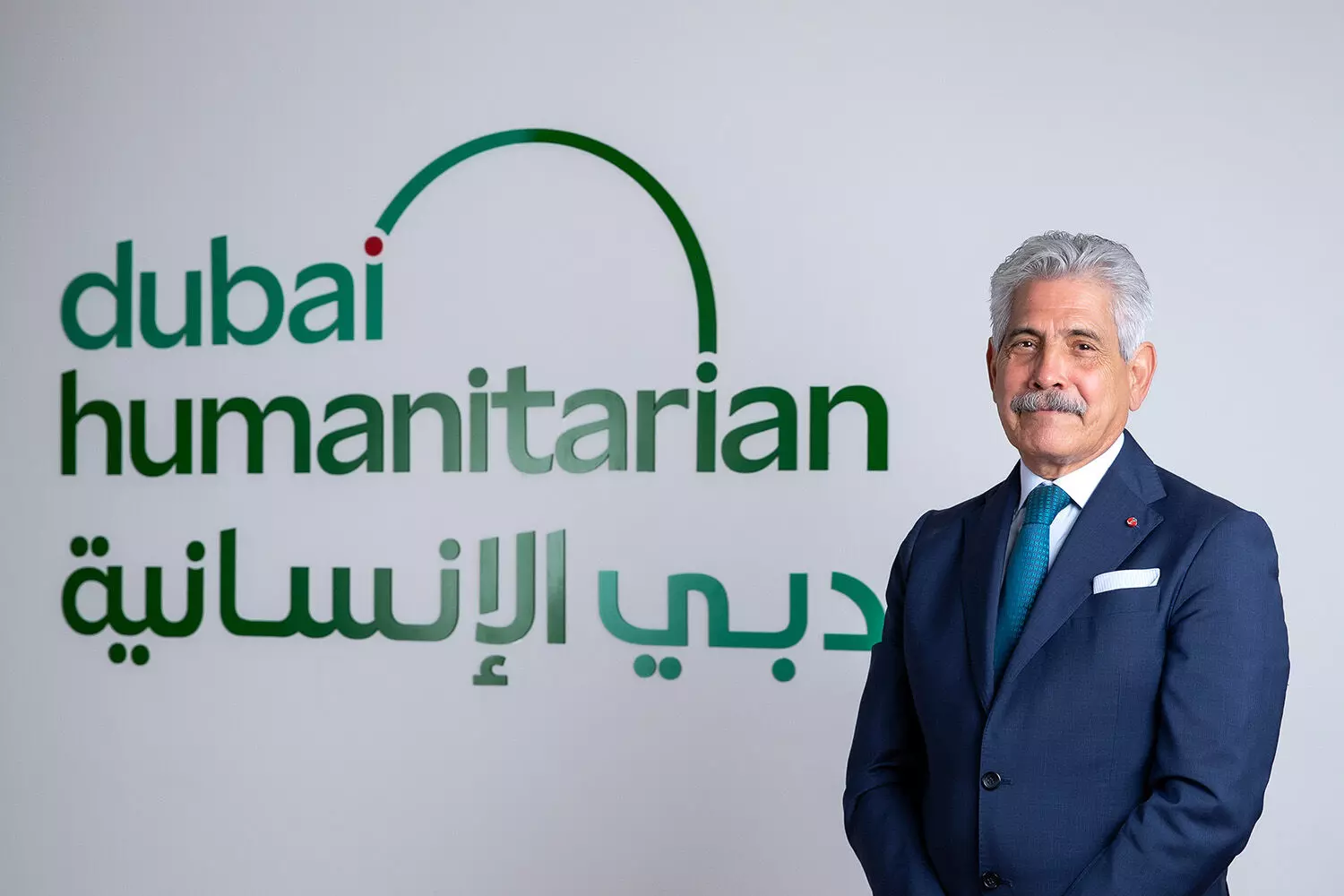
“When aircraft capacity is limited, Dubai Humanitarian’s approach to prioritizing cargo is to work with the airline to ensure the most urgent and critical cargo is flown first,” said Giuseppe Saba, CEO and Board Member of Dubai Humanitarian.
“Prioritisation of cargo in humanitarian airlift operations is based on the urgency of needs, the lifesaving impact of supplies, the nature of the emergency and operational considerations, in coordination with the humanitarian organizations involved. In cases where aircraft capacity is limited, urgent medical supplies are generally given priority while options are explored for transporting other essential relief items to facilitate timely and effective delivery.
“Due to the challenges of ground access and the longer transit times for overland transportation, winter relief supplies, including thermal blankets, have been pre-positioned for air transport in the current air bridge to Gaza. “Seasonal supplies are particularly important because they must reach the affected communities before winter, and delays could greatly undermine their humanitarian impact.”
This approach illustrates the need for humanitarian logistics to adapt to the evolving situation on the ground. Road transport is still a key component of relief operations, but persistent access bottlenecks and long transit times can undermine the effectiveness of time-sensitive deliveries.
“ Timing of distribution is particularly important for winter assistance. Blankets that arrive after temperatures have already fallen may provide substantially less protection at a time when vulnerable families need them most. Air transport thus provides a means of overcoming some of the delays involved in overland movements.
A broader humanitarian response beyond winter relief
The current air bridge is part of a much wider humanitarian assistance program that Dubai Humanitarian has been facilitating for several years.
Since 2023, the organization has supported multiple air bridges and humanitarian shipments to Gaza for a variety of essential needs beyond seasonal protection. Humanitarian organizations working in its ecosystem have provided shelter materials, water and sanitation supplies, and critical medical kits from their pre-positioned stocks for these operations.
One of the most recent was in August 2026, when about 150 metric tons of medical and health supplies were carried on behalf of the World Health Organization (WHO).
“Right now, this operation is focused on making sure affected communities get access to UNICEF’s thermal blankets and other essential winter items before the cold weather sets in,” said Giuseppe Saba. However, the wider humanitarian response continues to depend on the availability of different transport solutions and the pooled resources of the organizations based at the Dubai hub.
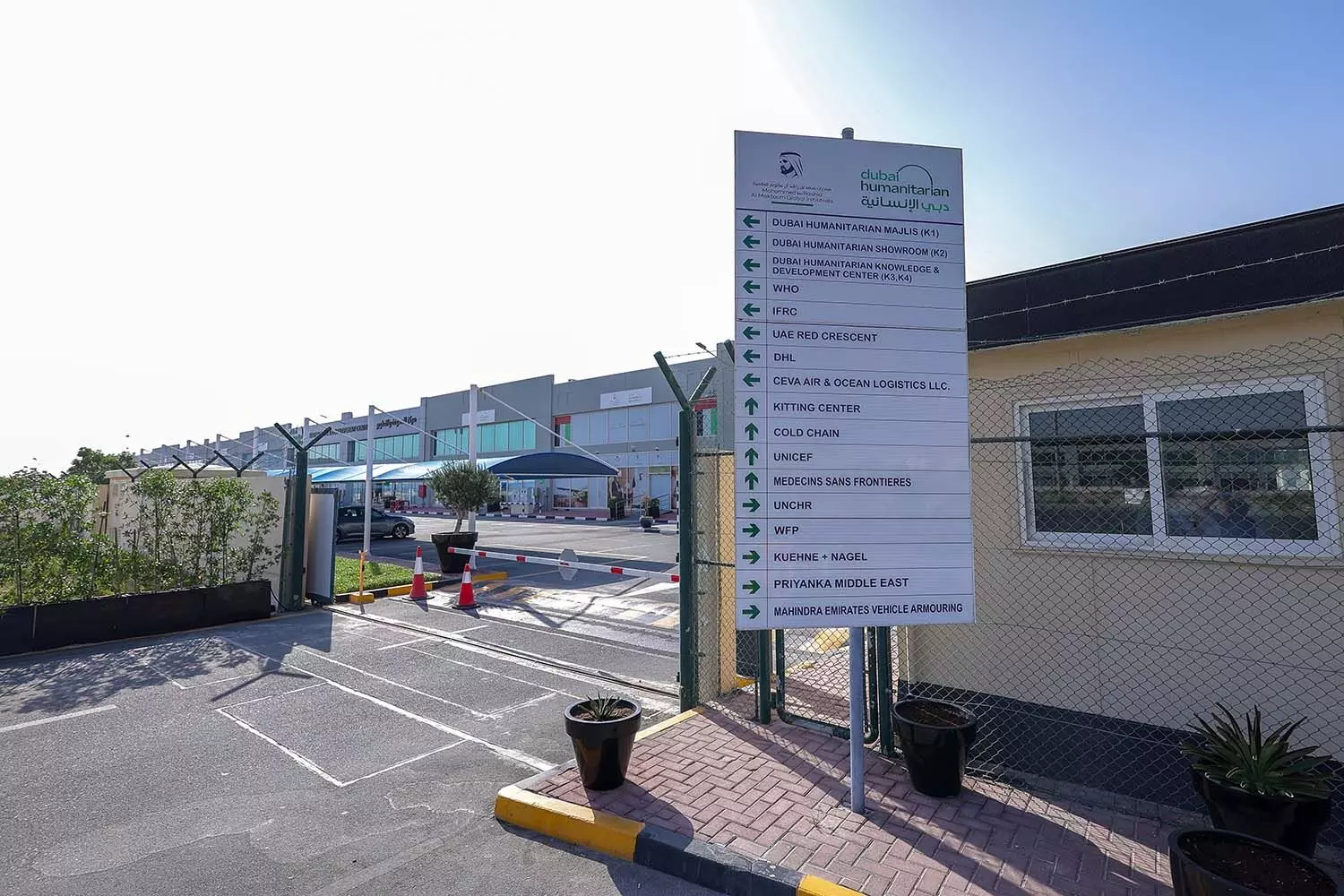
More than 80 members comprise Dubai Humanitarian, including United Nations agencies, non-profit organizations and private sector companies. It is responsible for both emergency preparedness and operational response, providing the infrastructure, partnerships, connectivity and logistics support to enable the international humanitarian community to respond to crises and disasters.
One of the main features of this model is the allocation of responsibility between the hub and its members. Humanitarian supplies kept in its warehouses remain the property and responsibility of the respective organizations. These entities assess requirements, assign priorities and determine which goods should be sent and to where.
Together with its partners, Dubai Humanitarian helps to move these stocks and ensure they reach communities hit by emergencies on time.
The experience of the organization shows the necessity to keep several transport channels. Air operations can provide rapid access when time is critical, while land convoys and maritime shipments provide additional capacity for moving large volumes of relief cargo, where routes and operating conditions allow.
Dubai Humanitarian’s integrated model supports global emergency preparedness
The level of these operations is linked to the organizational structure and infrastructure that Dubai Humanitarian has developed since its establishment in 2003.
The organization was created under the vision of Sheik Mohammed bin Rashid Al Maktoum, and has evolved into an integrated humanitarian ecosystem that brings together United Nations agencies, international organizations, non-profits and commercial companies.
It’s not just a business model based on providing storage space and traditional logistics services. Dubai Humanitarian is an independent free zone authority that provides licensing for commercial companies and registration for international humanitarian organizations to operate from Dubai.
This structure offers a platform to combine the expertise, resources and operational capabilities of different sectors in support of humanitarian activities.
The organization also aims to tackle wider challenges facing humanitarian action through innovation, youth engagement and collaboration with private sector and academic partners. The methodology encourages collaborative work across sectors and the implementation of practical and sustainable solutions.
Another important part of its activity is information management. Dubai Humanitarian enables humanitarian organizations and partners to better see pre-positioned relief stocks and their movement through the Humanitarian Logistics Databank. This information will lead to better-informed decisions, improved emergency preparedness and greater efficiency in responses globally.
The organization is also actively promoting the Global Safety Net, working with other humanitarian hubs worldwide to improve coordination, information sharing and collective preparedness.
Its participation in the Conference of Countries Hosting the World’s Humanitarian Hubs further attests to this. The platform brings together host governments and humanitarian partners to tackle shared challenges and to enhance the coordination, sustainability and resilience of humanitarian responses.
At the same time, the Knowledge and Development Center works to strengthen the sector through specialized training and knowledge-sharing initiatives that promote learning, sustainability and innovation across the humanitarian community.
Developing infrastructure and increasing humanitarian stockpiles
Dubai Humanitarian’s physical infrastructure has also expanded significantly to accommodate the growing needs of its international members.
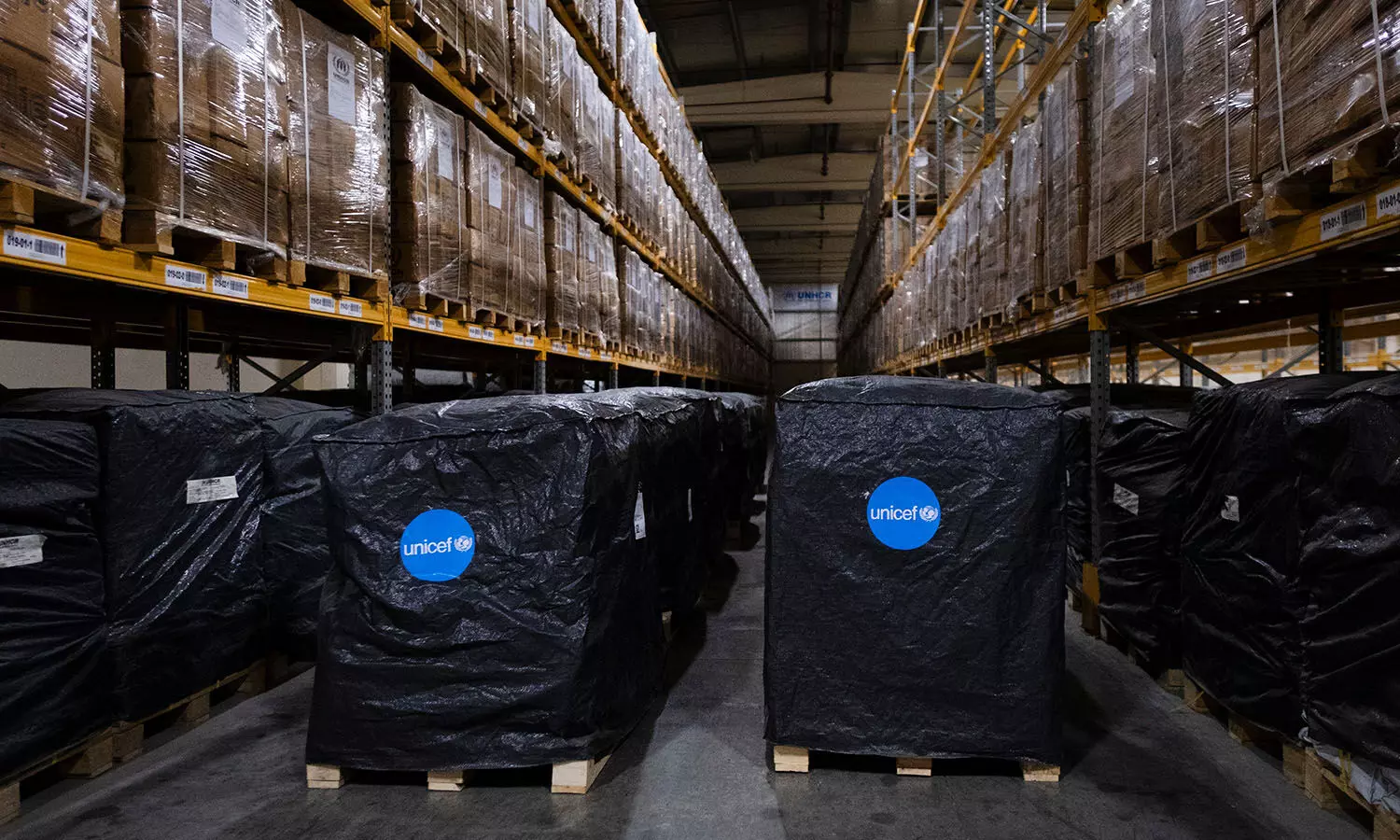
It has a footprint of some 150,000 square meters providing storage space and logistics infrastructure for humanitarian supplies pre-positioned by organizations working within the ecosystem.
These stocks have increased in value dramatically from $43 million in 2017 to an average of $200 million in recent years. The growth has been driven by rising volumes of medical and health supplies and investment in more resilient logistics infrastructure.
These operations are underpinned by developments like a dedicated cold-chain facility and a specialized kitting center.
The cold-chain infrastructure is especially significant for the storage and handling of medical products that need controlled temperatures during the supply chain. Meanwhile the kitting center allows for the rapid assembly of specialized medical kits and their preparation for deployment according to the requirements of humanitarian organizations.
The investments respond to the changing needs of the international humanitarian community and the need to be operationally ready ahead of emergencies.
They also demonstrate the confidence that Dubai’s Humanitarian ecosystem has built up over more than 20 years, backed by the infrastructure to accommodate relief operations of increasing complexity.
Strengthening Dubai’s presence in global humanitarian logistics
Dubai Humanitarian’s development demonstrates how a holistic logistics ecosystem can facilitate not just emergency response in the short term, but also humanitarian preparedness in the long term.
The hub brings together international organizations, commercial partners and specialized logistics capabilities to help improve operational efficiency and to move essential supplies across different transport networks.
It combines infrastructure, international connectivity, information sharing, innovation and partnerships in its model to support humanitarian organizations before, during and after major crises.
This is a concrete example of this approach: the new air bridge to Gaza. Dubai Humanitarian has helped mobilize dedicated air capacity to support the operation due to delays in overland transport and the pressing need to move winter supplies before temperatures drop.
More broadly, the organisation’s growing infrastructure and international partnerships reinforce Dubai’s role as a global humanitarian logistics hub, capitalizing on its strategic geographic location, established transport networks and international connectivity to enable relief operations around the world.”
END OF REPORT