



A commercial tanker heading toward Kharg Island was disabled by U.S. military forces on July 15, only hours after Washington reinstated its naval blockade against Iran, marking a new escalation in tensions affecting maritime traffic in the Strait of Hormuz.
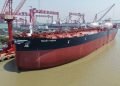
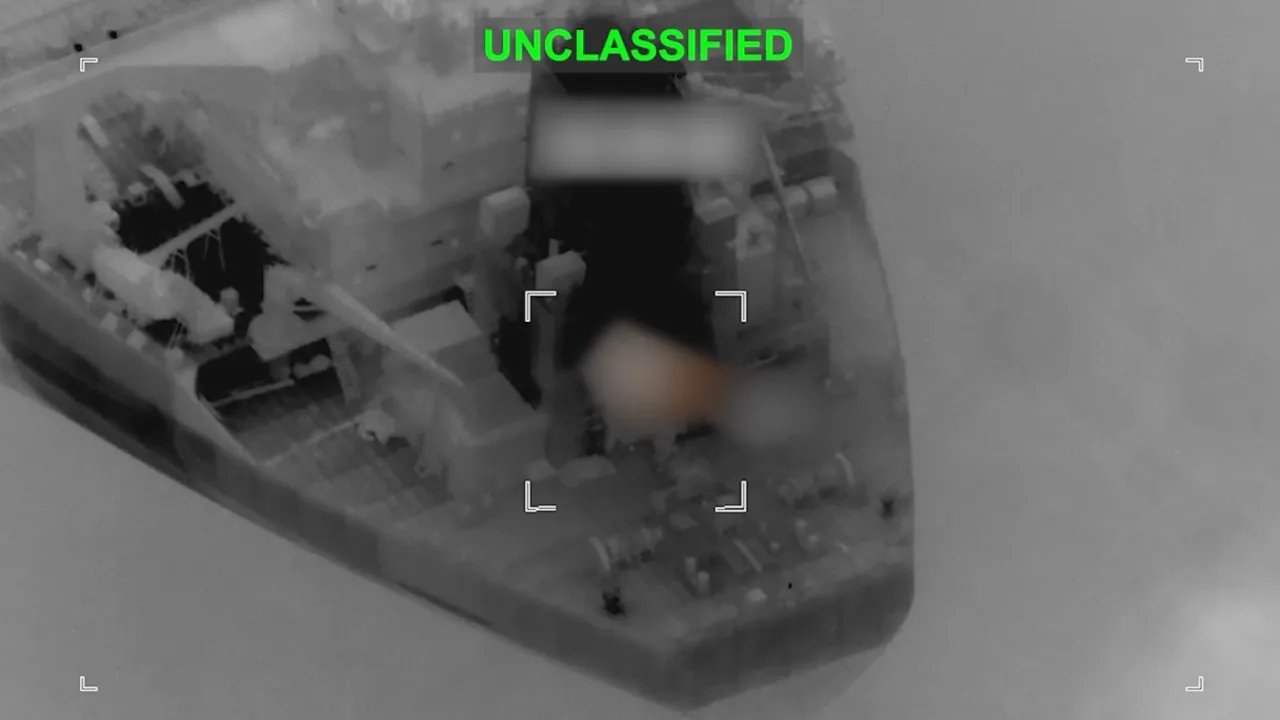
According to U.S. Central Command (CENTCOM), the Curaçao-flagged tanker Belma, which was travelling without cargo, continued toward Iranian waters despite repeated warnings from U.S. forces. The military said a U.S. aircraft fired Hellfire missiles at the vessel’s smokestack, disabling the ship and preventing it from completing its voyage.
Ship-tracking firm TankerTrackers.com reported that the Belma has previously transported approximately 38 million barrels of Iranian crude oil, based on historical vessel tracking data.
CENTCOM stated that since the blockade was reinstated on July 14, U.S. forces have redirected two vessels and disabled one ship that allegedly failed to comply with the new enforcement measures.
The latest action follows an earlier period of U.S. maritime enforcement that was suspended after the signing of a U.S.-Iran memorandum of understanding (MoU). During that previous operation, CENTCOM said it redirected 116 commercial vessels and disabled five ships. One of those incidents involved an airstrike on the vessel Settebello on June 9, which resulted in the deaths of three Indian seafarers.
Shipping activity through the Strait of Hormuz had shown signs of recovering after the U.S.-Iran agreement. But vessel movements have once again been slowing down amid renewed regional tensions, especially after Iran reportedly began to target merchant vessels that were using the U.S.-controlled southern navigation route about a week ago.
The deteriorating security environment has contributed to a broader exchange of military strikes between the United States and Iran, further increasing concerns for commercial shipping.
Vessel-tracking services reported another drop in ship transits on July 15, with most vessels now favouring the northern route closer to Iran’s coastline while keeping their Automatic Identification System (AIS) active.
Iranian officials have strongly opposed the renewed U.S. enforcement measures. Military leaders described any American interference in the Strait of Hormuz as an “unbreakable red line,” while Foreign Ministry spokesperson Esmaeil Baghaei said Iran has no plans to resume negotiations with the United States and remains focused on national defence.
The latest advisory issued by the Joint Maritime Information Center (JMIC) warns that the renewed blockade has significantly increased operational risks for commercial shipping. The organization now assesses the regional threat level as severe, indicating that attacks on merchant vessels are highly likely.
JMIC said enforcement actions are currently concentrated near Iranian ports and coastal waters, warning that vessels entering or leaving Iranian ports without authorization could face interception, boarding, seizure or the use of force.