Maritime Nov 19, 2026
US Tightens Maritime Blockade on Iranian Ports with Expanded Inspections and New Crew Requirements
Updated security measures extend scrutiny to ship-to-ship cargo transfers and introduce a 16-point approval process for humanitarian vessels, including mandatory passport documentation for every crew member.
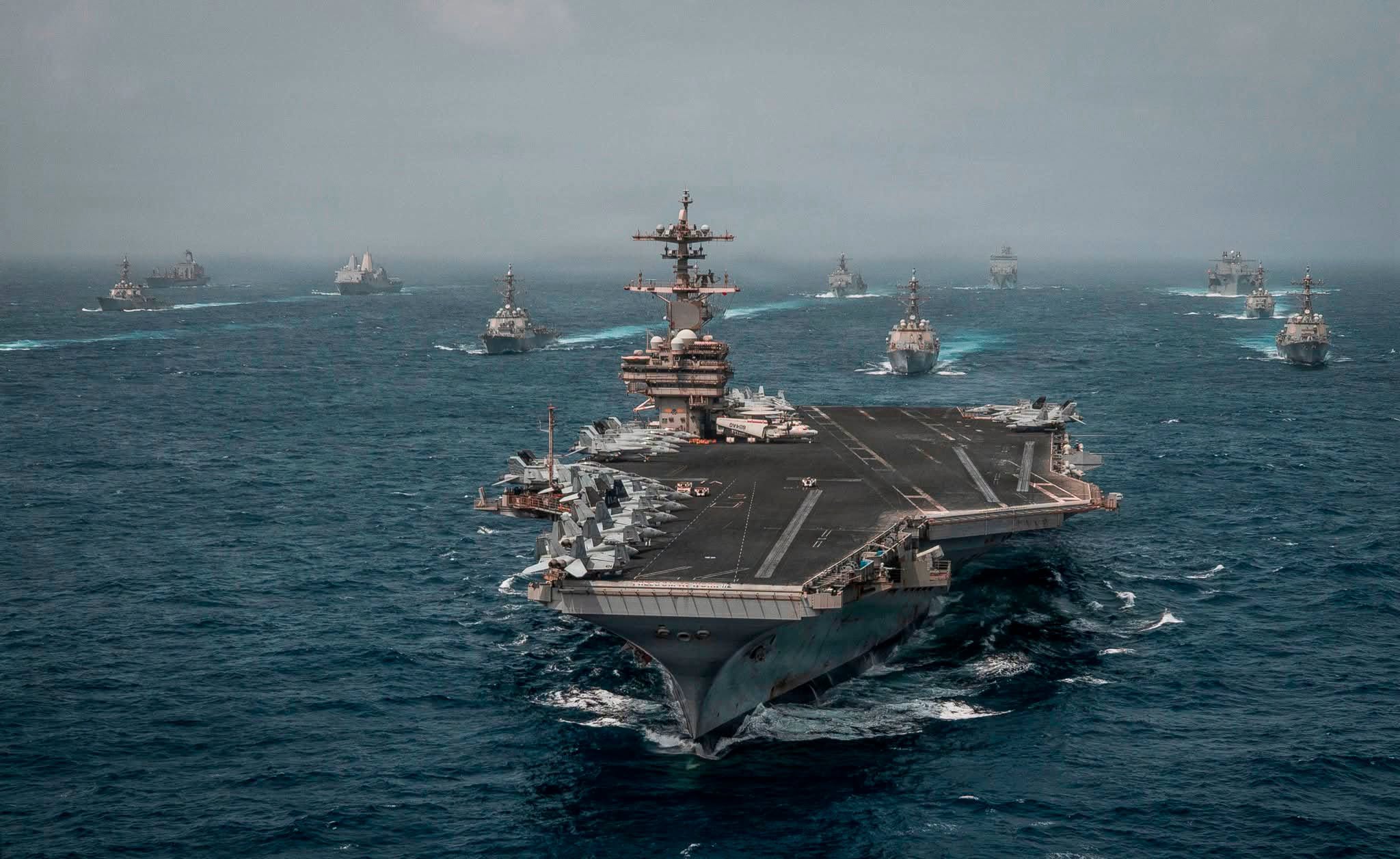
The United States has increased enforcement actions under its maritime blockade of Iranian ports, including additional inspection requirements and expanded scrutiny of vessels engaged in ship-to-ship (STS) cargo transfers. The new provisions also impose broader documentation requirements on vessels that seek to transport humanitarian assistance to Iran.
The measures are detailed in Advisory Note 017-26, published Nov. 18 by the Joint Maritime Information Center (JMIC). The document classifies the maritime security threat in the region as SEVERE and provides details of updated transit conditions, inspection procedures and requirements for humanitarian shipments.
One of the biggest changes concerns the transfer of cargo at sea. The revised guidance also says vessels that receive goods through an STS operation from ships that previously loaded cargo at Iranian ports may also be treated as suspected blockade violators.
This provision allows for possible enforcement action against vessels other than those which have called directly at Iranian ports. Even if ships themselves have not called on Iran, they could still face inspection and sanctions based on the source of their cargo.
JMIC said vessels that are neutral and headed to ports other than Iran are in principle allowed to transit the Strait of Hormuz. But such passage does not guaranty freedom from interception or inspection. Mariners are advised to remain a minimum of 30 nautical miles from US naval units and maintain a listening watch on VHF Channel 16 while operating near US military forces.
Humanitarian ships undergo 16-step approval process
The updated guidance also includes additional procedures for vessels carrying humanitarian assistance to Iran. Prior authorization through NAVCENT/NCAGS is required for ships carrying food, medical supplies and other essential goods to transit the blockade area.
The application process involves the submission of 16 separate categories of information and supporting documentation. These include vessel name, IMO number, flag, ownership and management details, last port of call, loading and discharge ports, description of the cargo and every page of the bill of lading.
Persons on board are given special attention. Applications must include a complete crew list and scanned copies of passports for all persons on board the vessel.
Critically, authorization from the US Navy does not serve as an exemption from subsequent inspections. Even vessels that have been cleared may be subject to inspection. But it adds that ships returning from Iranian ports are prohibited from taking on further cargo, with fuel and provisions still the only exceptions.
Passport requirements pull seafarers directly into the process.
The requirement to provide copies of passports of all crew members adds a personal element to the new enforcement regime. The requirements are not limited to shipping companies and vessel operators but directly affect seafarers assigned to humanitarian voyages.
This may increase the administrative burden of crew recruitment, selection and rotation on ships providing humanitarian services to Iran. Some operational risks may be mitigated by changing vessel ownership or flag registration, but the submission of individual crew identification documents to US military authorities is another matter.
The JMIC advisory does not explicitly state that the passport requirement is to prevent seafarers from joining these operations or to track their movements. But the measure does raise questions about the handling and protection of personal data and what that could mean for recruitment of staff in humanitarian shipping.
Security pressure is growing on the Strait of Hormuz
The new restrictions are being issued as military activity and tensions continue to rise in and around the Strait of Hormuz. The attacks on vessels and the wider confrontation between the US and Iran are contributing to the security challenges facing commercial shipping, with direct implications for operational risk assessments and voyage planning.
For shipping lines, the extended inspection regime means that compliance issues will more and more involve the origin of cargoes, STS transfer histories and crew documentation. Vessels engaged in Iran-related trade may be subject to heightened scrutiny even where their voyages do not include a direct port call to Iran.
Humanitarian operators, meanwhile, are subject to a more burdensome authorization process that requires extensive information on vessels, cargo and personnel ahead of entering the restricted maritime area.
The new JMIC guidance in general suggests a more challenging environment for maritime enforcement, creating greater operational and administrative pressure on shipowners, operators and seafarers engaged in Iran-related cargo and humanitarian shipments.
END OF REPORT