



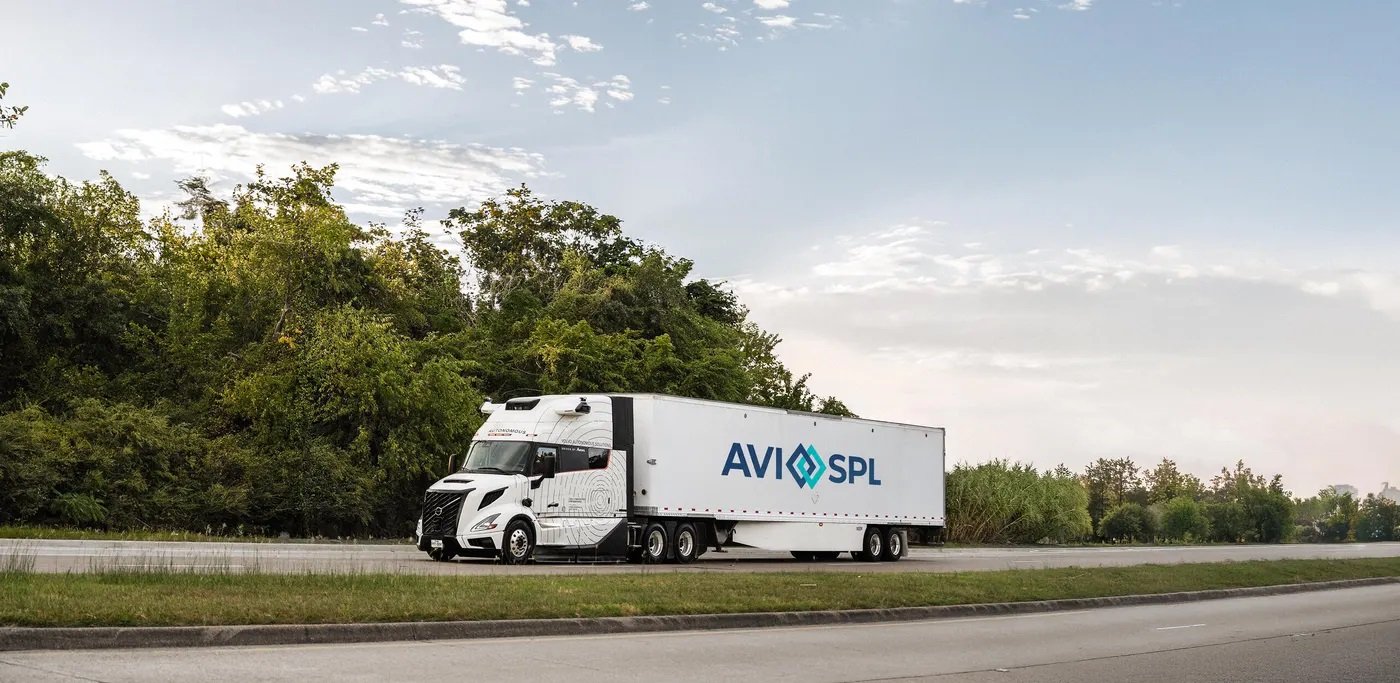
AVI-SPL has officially launched commercial autonomous freight operations between Dallas and Houston, marking a new step in the practical deployment of driverless logistics on a major US freight corridor. The company is using Volvo VNL Autonomous trucks equipped with the Aurora Driver system to transport a mix of audio-visual electronics and recovered materials linked to its electronics recycling programme.
The autonomous fleet is handling both new AV products and end-of-life equipment, from which AVI-SPL extracts precious metals as part of its recycling and recovery operations. The move to high-value, time-sensitive shipments reflects increasing pressure on carriers dealing with a shortage of drivers and limited capacity on traditional freight networks.
Volvo Autonomous Solutions provides the full solution, with the end-to-end ecosystem needed for autonomous operations. This includes the purpose-built Volvo VNL vehicle, the virtual driving system, supporting infrastructure, operational oversight, uptime management, and a fleet orchestration platform that coordinates logistics flows across the route.
According to Sasko Cuklev, Head of On-Road Solutions at Volvo Autonomous Solutions, the initiative highlights the practical value of autonomy in freight. He said the partnership demonstrates how autonomous transport can reduce transit times, improve service reliability, and meet the requirements of high-value and time-critical cargo.
From AVI-SPL’s perspective, the project is also a strategic technology testbed. Tim Riek, Chief Strategy Officer at AVI-SPL, said autonomous transport opens the door to new operational models that can strengthen resilience, support long-term scalability, and enhance the overall customer experience. He added that the collaboration allows the company to explore emerging logistics technologies with direct operational impact.
The partnership is seen as a step toward a full transformation of the supply chain, not just the day-to-day operations. As the system grows, the two companies expect to see better uptime, more efficient use of assets and improved security of cargo, strengthening the role of autonomous freight in future logistics networks.
- Latest
- Trending
ADVERTISEMENT