World Nov 10, 2026
Von der Leyen calls for closer Black Sea security cooperation, €50 million EU funding
The President of the European Commission has welcomed improved maritime coordination between Romania, Bulgaria and Türkiye, and pledged more funding for regional surveillance, search and rescue operations and the Black Sea Security Center.
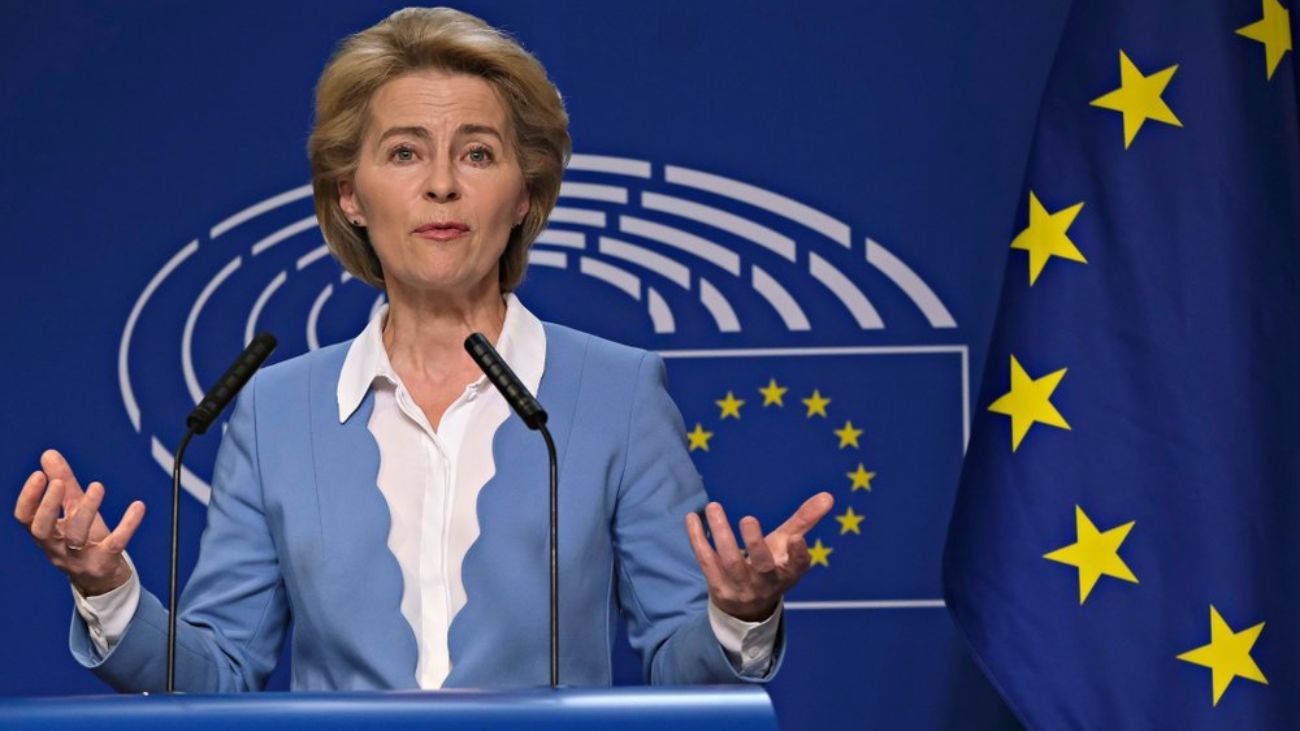
European Commission President Ursula von der Leyen has called for stronger maritime cooperation in the Black Sea, highlighting the importance of regional security for European stability, international trade and global food supplies. During her visit to Romania, the first stop on her Black Sea tour, she announced €50 million in dedicated funding to accelerate the development of the Black Sea Security Centre.
Von der Leyen met Romanian President Nicușor Dan, with both leaders stressing that security in the Black Sea is essential not only for countries bordering the region but also for the wider European continent.
Speaking at a joint press conference, Dan underlined the connection between maritime security and Ukraine's future. He argued that neither a lasting peace nor an effective reconstruction process in Ukraine would be possible without a secure Black Sea.
The Romanian president also drew attention to a series of recent incidents in the region, describing them as elements of hybrid warfare. According to Dan, Russia is seeking to intensify the conflict it launched in Ukraine five years ago and extend its consequences to other European countries.
He added that discussions with von der Leyen had focused on the need for a more active European role in Black Sea security. The Black Sea Security Centre, an initiative launched by Romania and Bulgaria, is expected to move towards practical implementation with support from the European Union.
EU pledges stronger support for Romania's maritime security
Von der Leyen described Romania as being on the front line of European security and underlined its strategic importance as a NATO partner.
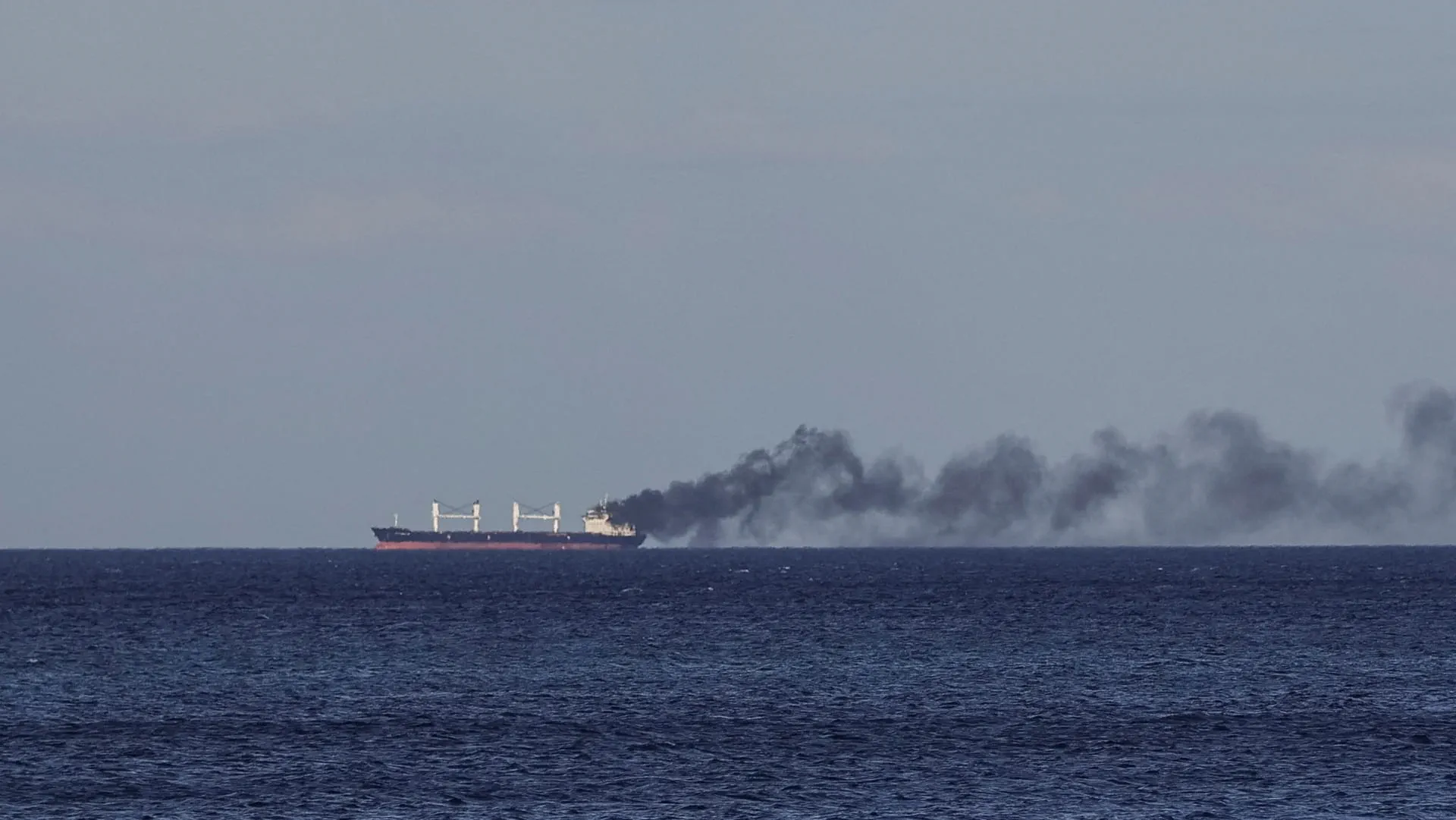
Referring to recent attacks involving drones targeting merchant vessels off the Romanian coast, she noted that several seafarers had lost their lives. She reaffirmed the EU's solidarity with Romania, promising a strong and coordinated European response to security threats.
The Commission President also stressed that freedom of navigation in the Black Sea must be restored and safeguarded. She described the region as a crucial commercial corridor for Europe, the Ukrainian economy and global food security, pointing out that millions of people, particularly across Africa, rely on food supplies transported through these routes.
Strengthening maritime surveillance will be another priority. Von der Leyen identified satellite imagery supplied through the EU's Copernicus programme as a resource that could improve monitoring capabilities across the Black Sea. She also confirmed that the European Union would maintain its efforts against disinformation while supporting joint defence initiatives.
Romania is being encouraged to make use of the EU's common defence fund to develop the capabilities required to reinforce protection across the region.
As part of this support, von der Leyen announced an additional €10 million for Romanian authorities. The funding will be directed towards search and rescue operations, helping improve the country's ability to respond to maritime incidents rapidly and effectively.
Romania, Bulgaria and Türkiye strengthen maritime coordination
Addressing the deteriorating security environment in the Black Sea, von der Leyen welcomed closer maritime cooperation between Romania, Bulgaria and Türkiye. She stressed that defence and security challenges require urgent and coordinated action among regional partners.
She also confirmed that work to accelerate the establishment of the Black Sea Security Centre would continue. The initiative is expected to bring together Türkiye, Ukraine and Moldova as regional partners, expanding cooperation beyond the countries that initially launched the project.
To support its implementation, the European Commission will establish a clear timetable for completing the initiative and allocate €50 million in dedicated funding.
The announcement represents a further step towards building a coordinated regional framework for maritime security, surveillance and crisis response in the Black Sea.
Ukraine peace talks remain central to Europe's security agenda
Responding to questions about negotiations over a possible peace agreement in Ukraine and the implications for European security, von der Leyen confirmed that Ukrainian President Volodymyr Zelenskyy had requested the support of European partners in the peace process.
She said the European Union was providing that support, emphasising that ending Russia's war against Ukraine must remain the primary objective of the negotiations.
Alongside the diplomatic process, the EU is working on a post-war prosperity plan designed to support Ukraine's long-term stability and reconstruction. Discussions also include the security guarantees that could be provided to the country once the conflict has ended.
However, von der Leyen made clear that broader discussions about Europe's future security architecture should only begin after a ceasefire in Ukraine. She added that such discussions must take place through an appropriate framework, with NATO allies and EU member states directly involved.
Her remarks underline the growing connection between Black Sea maritime security, the future of Ukraine and Europe's wider defence strategy. With additional EU funding and closer cooperation among regional countries, Brussels is seeking to strengthen the Black Sea's resilience as both a strategic security zone and an essential international trade corridor.
END OF REPORT