



Amazon and Walmart’s dominance in e-commerce has raised the bar for delivery expectations across the retail industry. According to Chewy COO Scott Anderson, brands looking to compete in that environment need to focus on the parts of the delivery experience that the largest players cannot easily replicate.
Both companies, Anderson told Supply Chain Dive, “have done a great job conditioning the world to the convenience of e-commerce.” That convenience, however, has also pushed consumers to expect more from shipping, including adjustable delivery windows, boxless returns and other increasingly flexible services.
Anderson has spent much of his career adapting logistics operations to changing customer expectations. Before taking responsibility for end-to-end logistics at online pet retailer Chewy, he spent nearly a decade at Amazon, eventually becoming vice president responsible for transportation and customer fulfillment in North America, according to his LinkedIn profile. He also recently joined the board of Veho, a growing parcel carrier serving brands including Macy’s, Sephora and Lululemon.
“Both at Amazon, at Chewy, we’ve noticed that delivery matters, and customers are engaged with that delivery,” Anderson said. He added that Veho is also working to bring more life to the customer experience around delivery.
For parcel shippers trying to strengthen their delivery strategies, Anderson highlighted three areas that can make a difference.
1. Make the delivery experience a differentiator
Anderson believes e-commerce businesses need to excel in at least one of four core pillars: price, convenience, selection or experience.
Competing directly with Amazon on selection and convenience is difficult, while Walmart has built a strong position around price. That leaves the customer experience as an area where specialty retailers can differentiate themselves.
“It’s very hard to compete against Amazon because they have selection and convenience nailed,” Anderson said. “It’s very hard to compete against price with Walmart, because they do a great job driving price. Where you can win in this space is experience, because you can engage your customer better on personalization.”
Delivery is an important part of that experience. Reliability and on-time performance remain essential, but additional services can further distinguish a retailer. Picture proof of delivery, flexible delivery timeframes and the ability to contact the driver directly can all contribute to a more personalized experience.
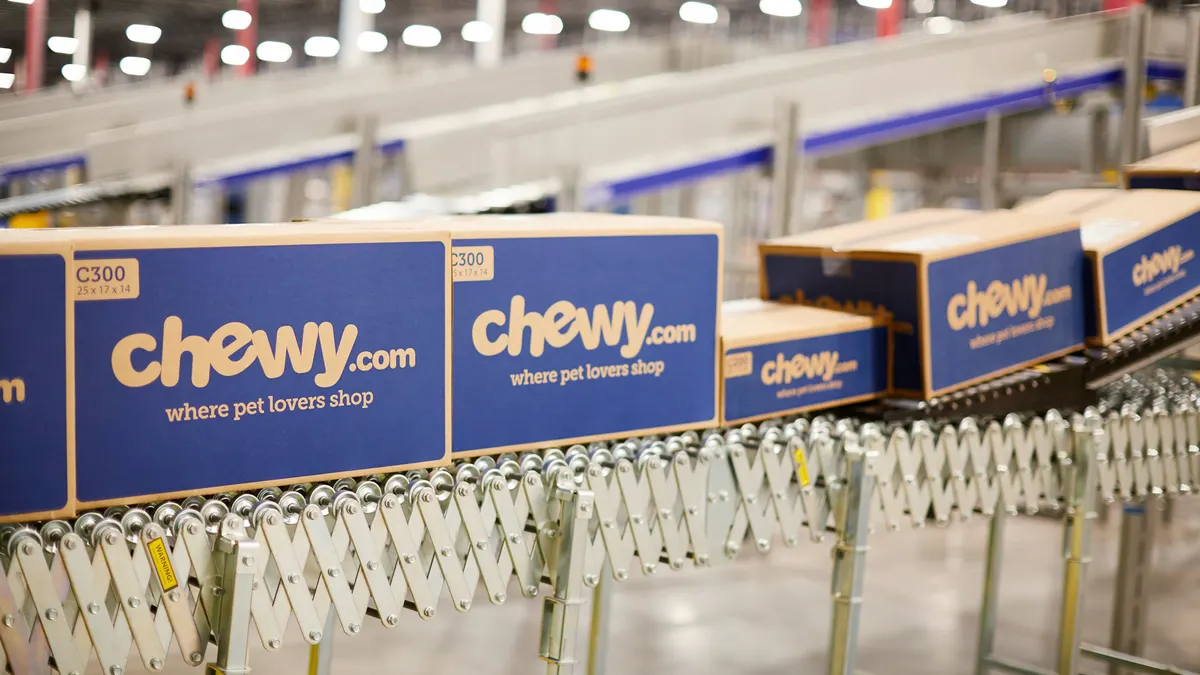
Specialty retailers therefore need to be proactive in asking their carrier partners for more advanced delivery capabilities. The experience does not stop when the parcel reaches the doorstep, either. The appearance of the box and the packaging materials used inside can also influence how customers perceive an order.
“That curated experience is really what drives you away from those large conglomerate e-commerce [companies] and into these specialty retailers, because they can give a differentiated experience,” Anderson said.
2. Combine delivery metrics with customer feedback
Numbers alone do not always reveal what is happening in a delivery operation.
During his years at Amazon, Anderson said the company looked at delivery metrics alongside individual customer anecdotes. Those direct experiences could reveal problems that aggregate data might otherwise hide.
When a customer complains about a specific aspect of the delivery experience, that feedback can provide information that companies can use to identify an issue and develop a process to address it.
“Anytime you had an anecdote that told you something materially different from the aggregate, you knew that there was smoke there,” Anderson said.
For shippers, listening to customers and acting quickly can prevent them from overlooking the needs of particular groups of shoppers. Customer patience, Anderson emphasized, is limited.
“Customers are not satisfied with you continuing to miss on what they’ve told you already,” he said, adding that “they’re not going to give you a second chance to screw it up.”
3. Build an open relationship with carriers
The relationship between a shipper and its carrier should not end when the package is handed over.
Anderson said shippers need to remain closely involved with carriers throughout the operational process rather than treating delivery problems as something that becomes “someone else’s problem” once the parcel leaves their facility.
A productive carrier partnership requires shippers to clearly explain the challenges they face and the expectations of their customers. That conversation should not revolve exclusively around finding the lowest shipping price.
Racing to the bottom on price “doesn’t benefit anybody,” Anderson said.
“What I found is everyone wants to create a solution that’s beneficial to both the customer, the shipper, and the carrier,” he said. “When you work together, it’s a lot better.”
Most e-commerce companies seek to concentrate their parcel volumes among one or two carriers capable of delivering the right combination of efficiency, service and speed. Chewy, however, currently works with FedEx, the U.S. Postal Service and OnTrac, according to the company’s shipping information.
Using additional carriers can increase operational complexity, but regional providers can also be useful when they offer better service in particular markets.
“That’s where regional carriers really do well, specifically kind of these rural and super rural areas,” Anderson said.
For shippers competing in an e-commerce market shaped by Amazon and Walmart, Anderson’s approach ultimately puts the focus on the parts of delivery that customers directly experience: personalization, responsiveness and close collaboration between retailers and their carrier partners.