




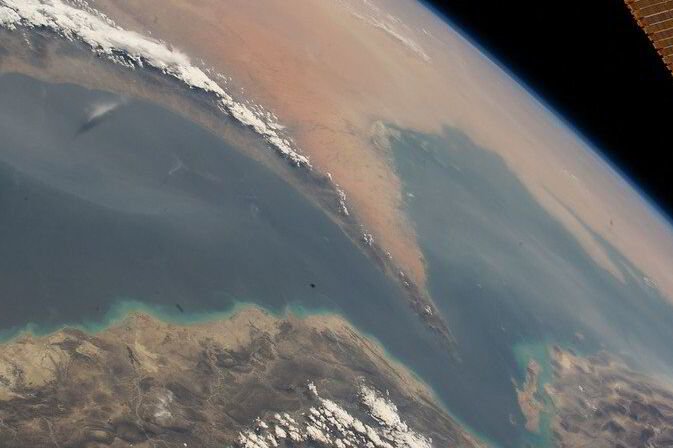
Global shipping markets are facing mounting pressure as conflict in the Middle East disrupts one of the world’s most critical maritime corridors.
According to data from Clarkson Research, Singapore bunker fuel prices have surged by 160% since the beginning of the year, while the cost of transporting a barrel of oil from the U.S. Gulf to Asia has more than doubled.
The disruption has also left a significant number of vessels stranded around the Arabian Gulf. Clarkson estimates that around 1,100 ships are currently positioned west of the Strait of Hormuz, including approximately 250 tankers, representing about 7% of the global VLCC fleet and 3% of product tanker capacity.
The group also includes LNG carriers, container vessels and dry bulk ships.
Despite the tensions, tanker charter rates have slightly eased in recent days. However, they remain far above historical averages.
Last week, average VLCC earnings stood at roughly $185,000 per day, nearly five times the long-term industry average. In some cases, freight rates have reached extraordinary levels, with one Dynacom-operated vessel reportedly securing $700,000 per day for a Gulf voyage.
Rates for LNG carriers have also climbed sharply, reaching approximately $135,000 per day, about 45% higher than long-term trends.
The LNG market faces additional uncertainty due to the shutdown of QatarEnergy’s Ras Laffan terminal, the world’s largest LNG export facility. Industry analysts warn that restarting the terminal could take weeks or even months once conditions stabilise.
Container shipping markets have also felt the impact of rising bunker costs. The Shanghai Containerized Freight Index for the Shanghai–North Europe route climbed to $1,618 per TEU last week, though this remains significantly below the peaks seen during the pandemic or the Red Sea crisis of 2024.
Before the current conflict, roughly 37% of global crude oil shipments, 19% of oil product flows, and 19% of global LNG trade passed through the Strait of Hormuz.
The disruption has also affected other sectors, including LPG shipping—28% of which transits the Strait—as well as the chemicals market.
Dry bulk shipping has so far been less directly impacted, though the sector could face indirect consequences as more than one-third of global urea production also relies on the Hormuz corridor, a key component in fertiliser production.