



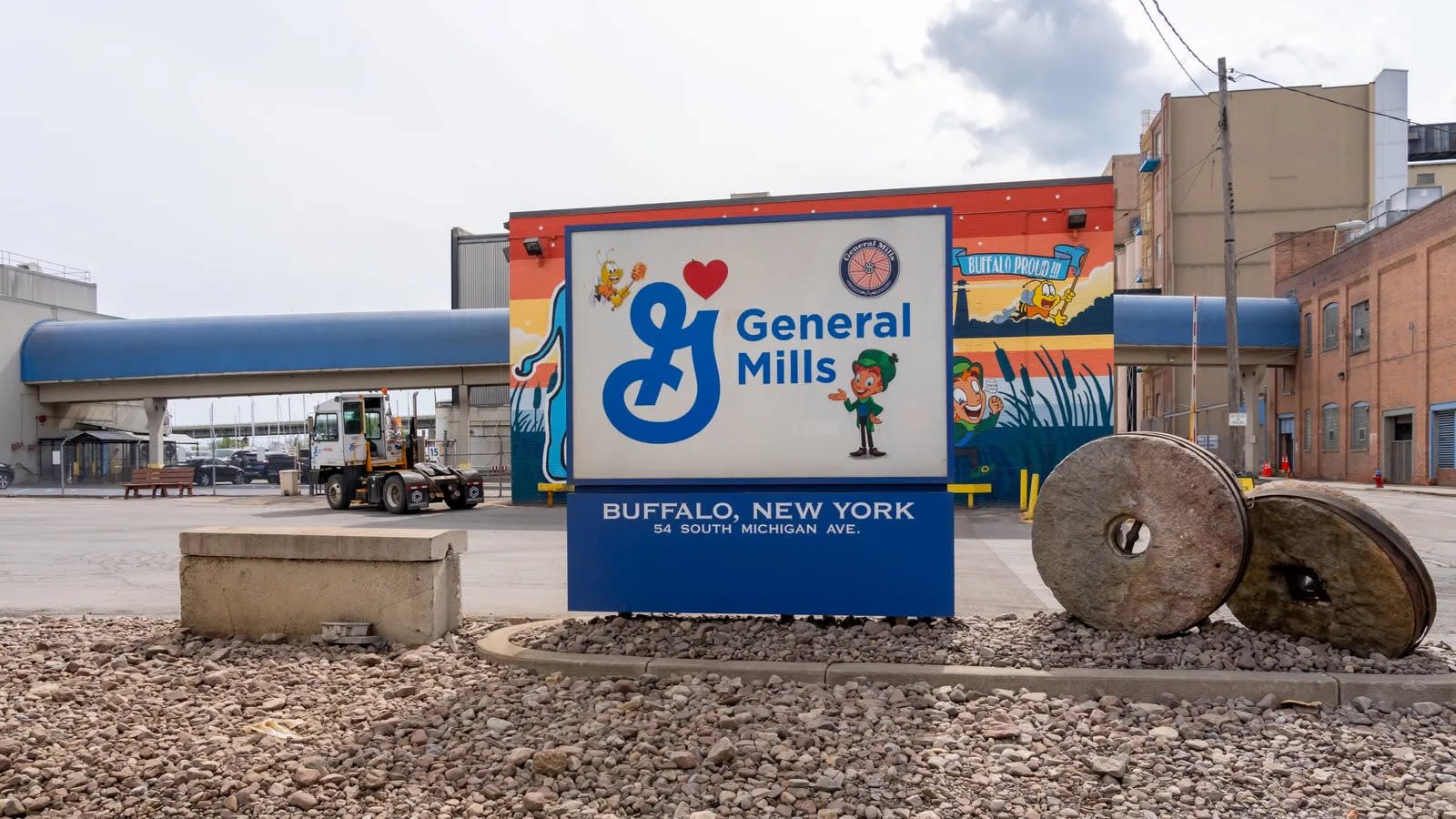
General Mills reported slower progress toward its supply chain sustainability goals in fiscal 2025, according to its 2026 Global Responsibility Report.
The company reduced total greenhouse gas emissions across its value chain by 14% compared with its 2020 baseline. This was below the 19% reduction achieved in fiscal 2024 and further from its goal of cutting overall emissions by 30% by 2030.
General Mills said operational greenhouse gas emissions rose 3% year on year, partly due to electricity use at an acquired production facility.
Suppliers account for around two-thirds of General Mills’ enterprise greenhouse gas emissions, making supplier cooperation central to the company’s goal of reaching net-zero emissions by 2050.
There were also positive developments. All 37 production facilities reached zero-waste-to-landfill status by the end of fiscal 2025. The company recycled 90% of solid waste globally, up from 88% the previous year, while 8% was processed for energy recovery and 2% was disposed of.
Packaging also improved. Around 95% of General Mills packaging was designed to be recyclable or reusable, up from 93% in fiscal 2024.
However, water use per tonne of finished product increased, affected by product mix and volume changes. Animal welfare sourcing also remained challenging. Only 4% of broiler chicken volume complied with Global Animal Partnership standards by the end of fiscal 2025.
For egg purchases used in ice cream, baked goods, and doughs, 84% came from cage-free or free-range hens. General Mills said cost and availability prevented it from reaching its 100% target.