



DIMOS is moving forward with the second phase of its cargo development work at Budapest Airport, building on an initial programme launched in 2024 to strengthen handling capacity and improve operational efficiency.
Working with an international cargo handling service provider, DIMOS is supporting the continued expansion of the airport’s cargo site through a combination of truck docks, castor decks and other mobile and stationary systems designed to improve flows from landside to airside.
The first phase involved analysing existing systems, expanding them and bringing the new setup into operation. Phase 2, scheduled to begin in summer 2026, will increase capacity within the current infrastructure rather than relying on a completely new build.
As the system provider, DIMOS is overseeing the entire process, from concept development and layout planning to construction supervision, installation, commissioning and ongoing support. The company said one of the key objectives is to ensure reliable outdoor performance while integrating seamlessly with internal handling processes.
DIMOS operates across several parts of the cargo site, including external areas in front of the facility and the internal logistics environment inside the terminal. By combining mechanics, controls and service under one provider, the company aims to reduce interfaces, streamline implementation and ease constraints at busy loading areas.
The planned upgrades are expected to reduce manoeuvring times, make more efficient use of available space and improve flow through bottleneck-prone truck dock zones. They will also add ULD capacity and support stable 24/7 operations at a major European cargo gateway where demand fluctuates seasonally.
According to DIMOS, the decision to proceed with Phase 2 was driven by the results of the first phase, especially the equipment’s operational reliability, strong availability and the continued growth in air cargo demand.
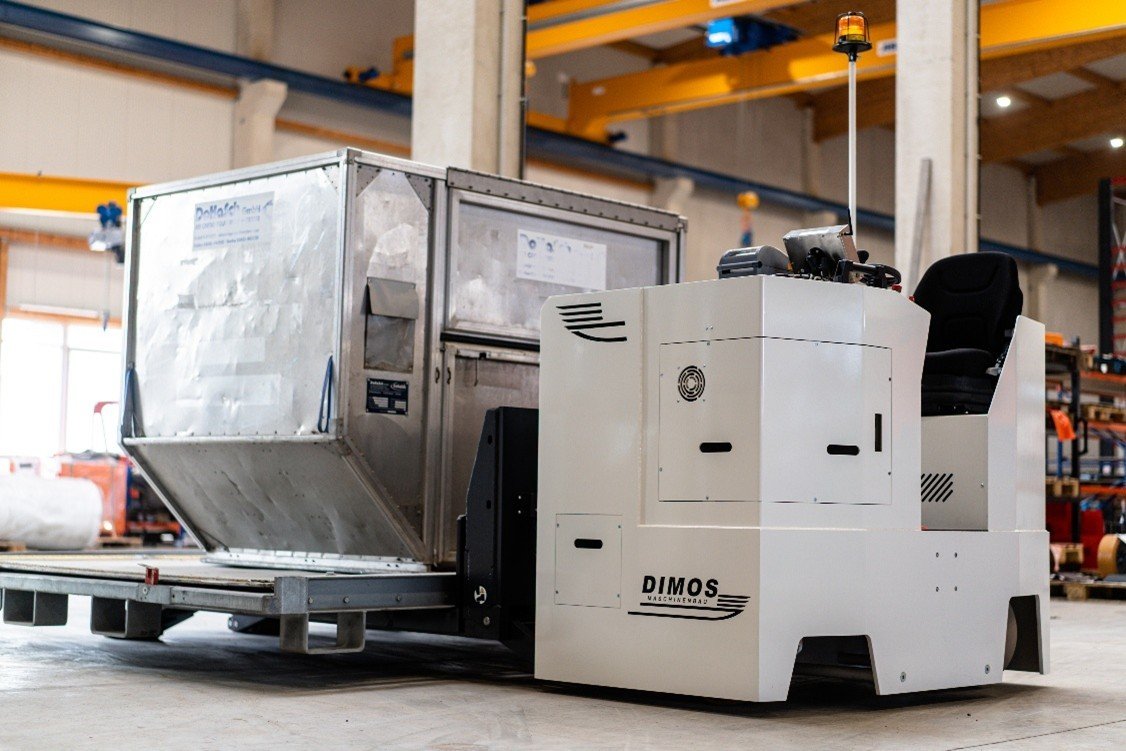
Managing director Pascal Schütz said Phase 1 demonstrated the value of combining robust technology with clean process integration. He added that the Budapest project brings together fixed systems such as truck docks with mobile conveyor technologies including the Pallet Mover and castor deck areas, helping the site maintain reliable performance even as traffic volumes shift.
With the second phase due to start this summer, DIMOS is positioning Budapest as a flagship reference project and expanding its role across the full system lifecycle through a single point of contact.