



The Trump administration’s decision to suspend the Jones Act for 60 days has triggered a strong backlash from U.S.-flag carriers and labor unions, who argue that the move risks undermining domestic maritime capacity, long-term infrastructure investment and national security at a particularly fragile geopolitical moment.
President Donald Trump announced the temporary pause on Wednesday, saying it was intended to help reduce fuel and other consumer prices that have surged since Iran blocked tankers from the Strait of Hormuz. Roughly 20% of the world’s crude oil passes through that narrow channel, making any disruption there immediately felt across energy markets.
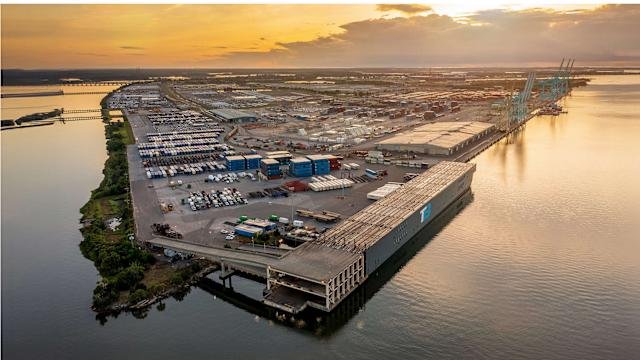
But for companies that operate under the Jones Act, the measure is seen as a dangerous overreach. Trailer Bridge, a U.S.-flag ocean carrier serving Puerto Rico, said Jones Act operators have invested billions of dollars in vessels, terminals and port infrastructure, not as opportunistic short-term bets but as long-term commitments to the trades they serve. The company pointed to modern ships, LNG-powered tonnage, specialized equipment and dedicated terminal operations as evidence of that sustained investment.
The International Longshore and Warehouse Union also condemned the waiver, saying a blanket suspension of the law weakens military readiness, damages national security and shifts critical maritime work to foreign vessel operators. The union called on both the administration and Congress to halt the waiver and work with stakeholders, including labor, on more durable solutions.
The Jones Act is part of the Merchant Marine Act of 1920 and requires cargo moved between US ports to travel on ships that are US-built, US-flagged, US-owned and crewed by Americans. The law was originally designed not only to support economic stability and domestic shipbuilding after World War I, but also to ensure that the United States would maintain a fleet and workforce available during war, natural disasters and national emergencies.
Its reach covers all domestic maritime trade, including traffic involving Alaska, Hawaii, Guam and Puerto Rico. The Puerto Rico trade in particular has become central to the debate because of the island’s dependence on ocean freight for essential goods such as food, medicine, fuel, construction materials and retail inventory.
Alongside Trailer Bridge, Puerto Rico is also served by other Jones Act carriers including TOTE Group and Crowley through Jacksonville, as well as National Shipping of America from Houston. Other operators in Jones Act-compliant trades include Matson, Pasha Hawaii and tanker company Keystone Shipping.
Trailer Bridge argues that the value of the Jones Act goes beyond simple freight rates. Because Puerto Rico is treated as a domestic trade, cargo can move without international customs delays, allowing more predictable documentation and more consistent transit planning. The company says that dedicated, fixed sailings between the mainland and Puerto Rico also provide stability that global carriers — which can shift capacity in response to changing international conditions — are less able to guarantee.
That reliability, supporters say, becomes even more important during periods of global shipping disruption. In their view, Puerto Rico’s domestic shipping network offers a degree of insulation from international volatility that would be difficult to replace with foreign operators.
Jones Act carriers also stress the regulatory distinction. Unlike foreign lines, they operate under US Coast Guard oversight, comply with US labor laws, employ American mariners and invest directly in US-built vessels and domestic infrastructure.
TOTE chief executive Tim Nolan has previously said the Jones Act gives the company the confidence and predictability to invest in fleet upgrades, including LNG-powered ships serving Puerto Rico and Alaska. Without that regulatory stability, operators warn, it becomes far harder to justify large-scale private investment.
Critics of the law, however, have long argued that it is protectionist and that it raises shipping costs. Analysts generally say the latest suspension is unlikely to reduce fuel prices by more than a few cents per gallon, and even that effect may be slow and modest.
Trailer Bridge counters that focusing only on per-container freight costs misses the bigger picture. For Puerto Rico, it argues, continuity, resilience and dependable service are not secondary benefits — they are fundamental parts of the economic equation.
The debate now centers on whether the administration’s attempt to deliver quick price relief could unintentionally weaken the very domestic maritime system that supporters say ensures reliability in times of crisis.