



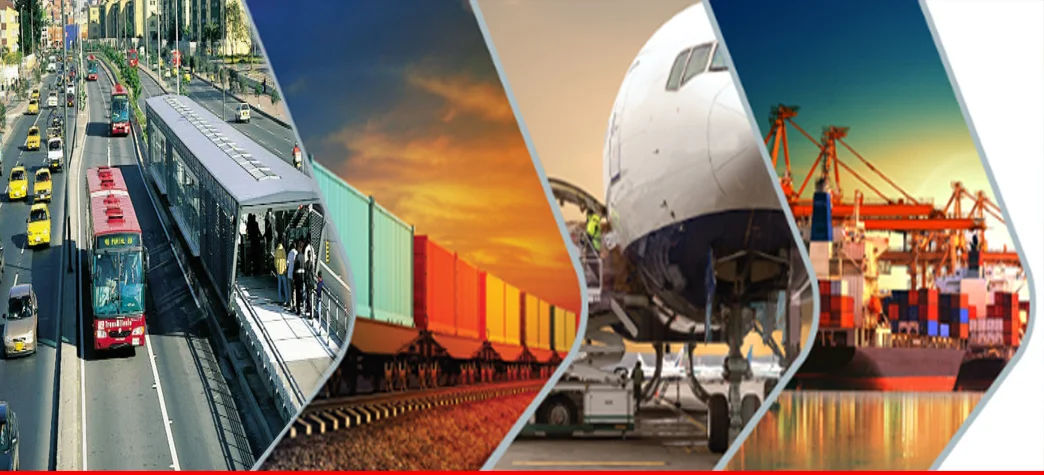
As global supply chains undergo a profound transformation driven by geopolitical tensions, regionalization, and the search for alternative trade corridors, Pakistan is increasingly stepping into the spotlight as a strategic logistics gateway. Positioned at the crossroads of South Asia, Central Asia and the Middle East, with direct access to the Arabian Sea and proximity to key maritime chokepoints such as the Strait of Hormuz, the country holds a geographic advantage that is becoming more relevant in today’s fragmented trade environment.
The logistics sector already plays a central role in Pakistan’s economy, accounting for approximately 15.6% of its GDP, reflecting both its scale and its importance in supporting trade flows. Yet, despite this strategic positioning, the country continues to face structural inefficiencies that have historically limited its ability to fully capitalize on its potential. The system remains heavily dependent on road transport, with nearly 94% of cargo moved by trucking, creating operational bottlenecks, increased costs, and exposure to disruption. At the same time, maritime activity is largely concentrated around Karachi Port and Port Qasim, reinforcing a centralized model that constrains scalability and diversification. Meanwhile, Gwadar Port—often highlighted as a future regional hub within the framework of the China–Pakistan Economic Corridor—has yet to reach its anticipated operational capacity, illustrating the gap that still exists between infrastructure ambition and execution.
However, this gap is precisely what is reshaping the competitive landscape. Pakistan’s logistics sector is entering a transitional phase, supported by ongoing infrastructure investments, railway modernization projects such as Main Line-1, and the gradual development of inland logistics hubs. At the same time, rising domestic consumption and the acceleration of e-commerce are increasing pressure on supply chain performance, while international investors continue to show growing interest in the country’s long-term logistics potential. In parallel, Pakistan is increasingly viewed as a cost-effective and strategically viable alternative corridor linking Central Asia, China, and the Middle East, particularly as global supply chains seek redundancy and flexibility beyond traditional routes.
Within this evolving environment, the role of agile and adaptive freight forwarders is becoming increasingly critical. It is in this context that Specialized Freight Forwarders, led by CEO Akif Manzur, positions itself as part of a new generation of logistics operators capable of navigating both complexity and opportunity. Operating from Pakistan, the company leverages its proximity to key trade corridors while offering flexible, multimodal solutions tailored to the realities of modern supply chains. In a market still characterized by fragmentation, the ability to deliver reliability, responsiveness, and precision is no longer optional—it is a defining competitive advantage.
Rather than relying on standardized forwarding models, Specialized Freight Forwarders adopts a solution-driven approach, aligning its operations with the evolving demands of international trade. This includes managing supply chain disruptions, adapting to regulatory environments, and providing customized logistics strategies that reflect the increasing complexity of global freight movements. As supply chains become more dynamic and less predictable, this level of adaptability is emerging as a critical differentiator.
Pakistan’s logistics sector has long been described through its limitations, but the current global context is shifting that narrative. As supply chains move toward diversification, resilience, and regional integration, the country is no longer a peripheral player but an emerging connector within global trade networks. In this transformation, companies like Specialized Freight Forwarders are not only benefiting from change—they are actively contributing to the evolution of Pakistan’s role in the global logistics ecosystem.







