



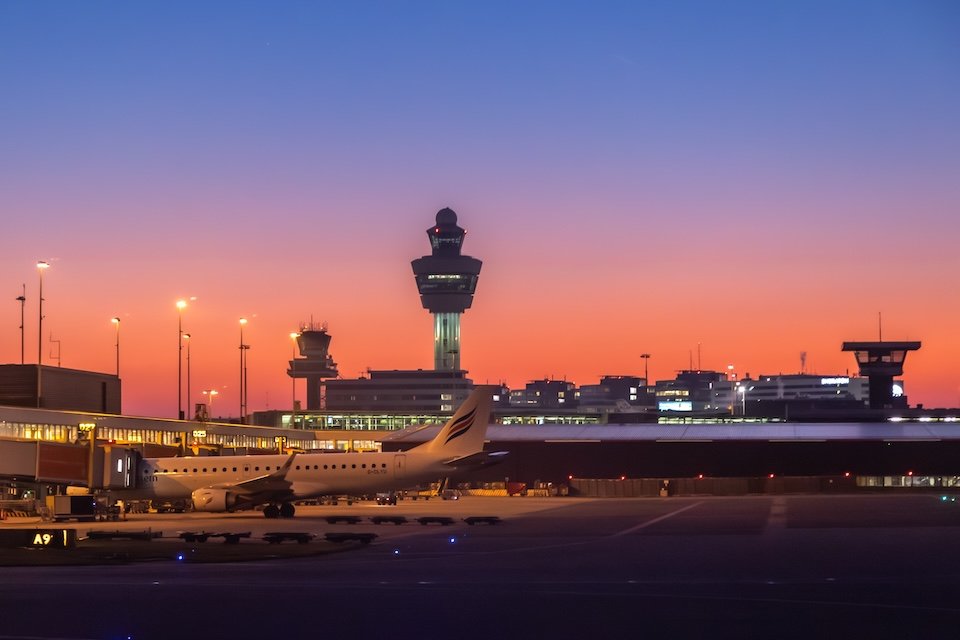
Amsterdam Schiphol Airport is introducing a temporary reduction in airport charges as airlines face mounting operational costs driven by the conflict in the Middle East.
The measure, which amounts to an overall discount of more than 10%, will apply from 27 April until 31 March next year. It is limited to daytime operations, reflecting Schiphol’s continued effort to discourage night flights.
In a statement, the airport said the decision was made because airlines have seen their costs rise unexpectedly and sharply due to high kerosene prices. Schiphol added that, given the current geopolitical context, maintaining the Netherlands’ connectivity with the rest of the world is essential to ensure that critical air services remain in operation.
The airport also stressed that a strong aviation sector supports the country’s resilience and independence, particularly in areas such as the supply of goods and food, as well as repatriation needs, while also contributing to the Dutch economy.
Schiphol acknowledged that the discount will have a temporary negative impact on its financial results. However, it said the measure will not affect the investments it has planned over the next decade.
According to Air Cargo Netherlands (ACN), the discount is based on a 50% reduction in landing and take-off charges. Because these charges represent only one part of the total fees paid by airlines, the full effect translates into an overall reduction of around 10%.
The move comes as airlines across Europe respond to sharply rising fuel prices caused by developments in the Middle East and the closure of the Strait of Hormuz.
KLM, which uses Schiphol as a hub, said it will operate 80 fewer flights to and from the airport over the next month because of higher fuel costs. The reduction represents around 1% of its European services during that period.
KLM is far from alone. Lufthansa has also announced major cuts, saying this week it will remove 20,000 short-haul European flights from its summer schedule because rising jet fuel prices have made some routes unprofitable.
Meanwhile, Lufthansa Cargo’s fleet of four Airbus A321 freighters has been temporarily grounded following cuts at sister carrier Lufthansa CityLine, which had been operating the aircraft. The German group said it will immediately remove Lufthansa CityLine’s 27 active aircraft as part of broader measures to deal with fuel inflation and labour disruption affecting its operations in Germany.