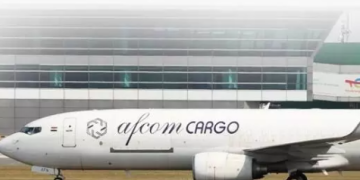




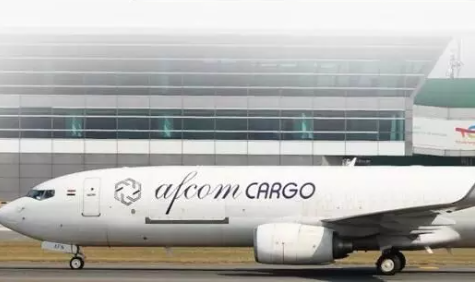
AFCOM Holdings has posted one of the best financial results in its history, spurred by a surge in charter demand following disruptions across international air cargo networks in the last quarter of fiscal 2025-26. The Chennai-based cargo airline has recorded strong growth in both revenue and profitability for the quarter and full year ended March 2026, with operational disruptions affecting several Middle Eastern carriers driving urgent demand for alternative cargo solutions across South Asia and the Indian Ocean region. The company said the suspension and modification of flight schedules by multiple Middle Eastern airlines in March created significant bottlenecks in cargo flows, especially for westbound shipments from South Asia. AFCOM responded by deploying additional charter capacity and establishing alternative transport corridors to keep freight moving.The strategy delivered impressive results.During the fourth quarter, AFCOM generated total income of Rs 1.92 billion, representing an increase of 87.8 per cent compared with the same period a year earlier. Net profit rose 72.85 per cent to Rs 446.6 million.For the full financial year, performance was even more remarkable. Total income climbed 143.86 per cent to Rs 5.88 billion, while net profit surged 230.05 per cent to reach Rs 1.22 billion. EBITDA increased by 211.72 per cent to Rs 2.38 billion, with the EBITDA margin expanding to 40.52 per cent.Management described the final quarter as one of the most successful periods in the company’s history, driven by a combination of scheduled cargo services and an exceptional rise in charter activity.Speaking during the company’s earnings call, executives highlighted the impact of the conflict-related disruptions in the Middle East.“We all are aware that the entire month of March was impacted by the war. Several airlines operating out of the Middle East were forced to suspend schedules, creating significant demand for alternative solutions. We stepped in and did our best to provide transport options for stranded cargo,” management explained.To support customers affected by the disruptions, AFCOM launched multiple charter operations linking Chennai, Colombo and Malé. These services created alternative cargo corridors for shipments that would normally transit through Middle Eastern hubs. The carrier also facilitated cargo flows from eastern India to the Maldives before onward transportation toward western markets.These emergency logistics solutions played a major role in boosting the company’s fourth-quarter performance.The scale of AFCOM’s charter activity illustrates the shift in market conditions. During the quarter, the airline completed 602 flights, including 415 dedicated charter services. Average revenue per flight reached approximately $29,296, while average revenue per kilogram stood at $2.72. Aircraft utilisation averaged 23.42 trips per aircraft each week.Management noted that a significant share of the company’s annual charter business was concentrated in the final quarter due to the extraordinary market conditions that emerged during March.Across the full fiscal year, AFCOM generated Rs 5.29 billion in revenue from its dry lease cargo operations and completed 1,923 flights, transporting more than 24,353 tonnes of cargo. The company also operated 1,129 pure charter flights during FY26, underlining the growing importance of charter services within its business model.Average annual revenue per flight reached $31,243, while average revenue per kilogram was reported at $2.54.Alongside its financial performance, AFCOM continued expanding its operational footprint throughout FY26.The airline launched freighter services to Dubai World Central, strengthening its presence in the United Arab Emirates cargo market. It also entered into a strategic partnership with Nauru Air Corporation to support future expansion into Australia and Pacific markets.Fleet growth also remained a priority. During the year, AFCOM introduced a third freighter aircraft into service after securing the necessary regulatory approvals, providing additional capacity to support rising cargo demand.To finance future expansion plans, the company successfully raised Rs 2.0 billion through a Qualified Institutional Placement (QIP).Another important milestone came when AFCOM obtained recognition as a designated Indian carrier. According to management, the status provides several statutory advantages for export operations and offers tax-related benefits, including exemptions on aviation turbine fuel purchases in Tamil Nadu.The company estimates these measures could reduce overall operating costs by between 5 and 7 per cent.AFCOM also highlighted its contribution to the growth of Chennai’s cargo market. Data presented during the company’s investor briefing showed that Chennai Airport recorded international cargo growth of 12.5 per cent during the period, significantly outperforming the national average of 5.4 per cent.Executives stated that AFCOM’s growing concentration of operations at the airport and the expansion of its international network were key contributors to that performance.FY26 also marked the company’s transition to Indian Accounting Standards, aligning its financial reporting practices with mainboard compliance requirements. Management noted that while the change altered the accounting treatment of aircraft lease obligations, depreciation and finance costs, it did not affect the underlying economics of the business.Today, AFCOM continues to position itself as a dedicated international cargo airline specialising in both scheduled and charter freight operations. Through flexible routing solutions, dedicated charters and transshipment services across South Asia, the Middle East and other international markets, the carrier has built a reputation for responding quickly to changing market conditions.As global air cargo networks faced unprecedented disruption during the final quarter of FY26, AFCOM’s ability to rapidly redeploy aircraft and create alternative logistics solutions enabled the airline to capture additional demand and achieve its strongest quarterly performance to date.
- Latest
- Trending
ADVERTISEMENT