



Alberta’s construction industry is expected to remain on a growth path through 2035, supported by major infrastructure, pipeline and commercial developments, according to BuildForce Canada’s latest Construction and Maintenance Looking Forward report.
While the pace of growth is expected to moderate over time, the province is forecast to benefit from strong non-residential investment, even as residential construction cools following several years of high activity.
BuildForce expects residential construction investment to peak in 2026 before slowing as population growth eases and demand for new housing weakens. Housing starts are projected to continue declining into the early 2030s before gradually recovering toward the end of the forecast period.
At the same time, spending on residential renovations is expected to keep increasing, helping offset part of the slowdown in new home construction.
As a result, employment in Alberta’s residential construction sector is forecast to decline by 16% by 2035 compared with 2025 levels, with the losses concentrated entirely in new housing construction.
The outlook is far more positive for the non-residential market.
BuildForce expects investment in non-residential construction to increase almost every year over the next decade, driven by both engineering projects and institutional, commercial and industrial (ICI) building construction.
Engineering activity is expected to remain particularly strong over the medium term thanks to continued investment in the oil and gas sector, utilities and transportation infrastructure. Construction activity is expected to be supported through 2029 by large projects including light rail transit developments in Calgary and Edmonton and the Yellowhead Mainline Natural Gas Pipeline.
Some of these projects are set to finish around 2031, leading to a slight dip in investment but BuildForce anticipates another growth phase after that.
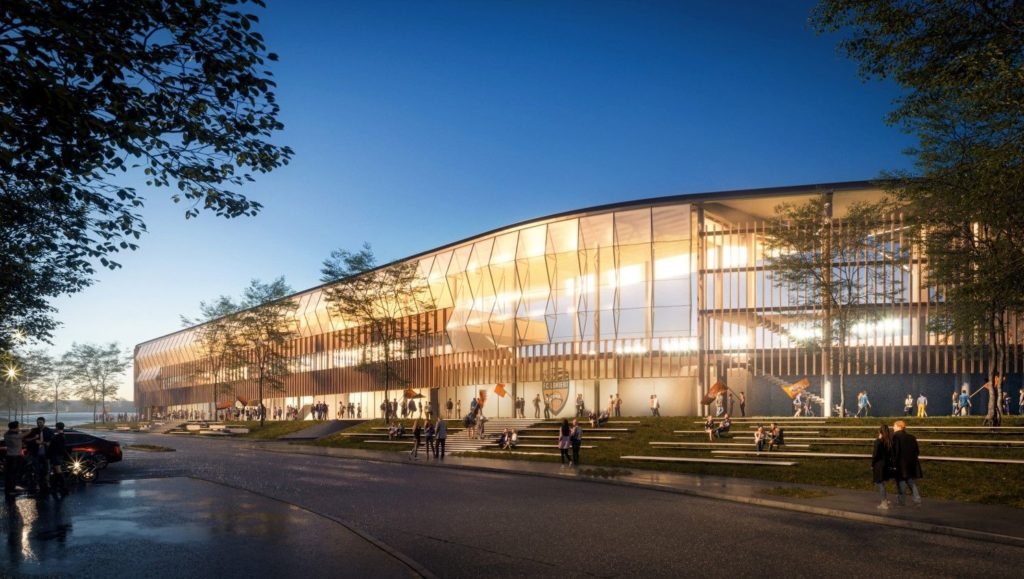
Growth in commercial building construction also is expected to continue with major developments such as Scotia Place Calgary Arena and Calgary Arts Commons.
Institutional construction will continue to benefit from investment in health care and education, including the expansion of Red Deer Regional Hospital and the School Construction Accelerator Program.
Meanwhile, industrial construction is expected to ebb and flow over the next few years, depending on when big manufacturing projects come online.
The non-residential sector shows strength in the employment trends. By 2035, non-residential construction employment is projected to increase by 15% compared with 2025 levels. Jobs in ICI building construction are expected to grow by 31%, while engineering construction employment is forecast to rise by 10%.
BuildForce Executive Director Irwin Bess said Alberta’s outlook continues to be supported by strong growth in non-residential construction and sustained demand for maintenance work.
He added that the expected decline in residential construction should be viewed as a return from exceptionally high levels rather than a major downturn.
Meeting future labour demand will remain one of the industry’s biggest challenges.
BuildForce estimates Alberta will need to recruit 48,800 workers by 2035. Much of that demand will be driven by the expected retirement of 43,700 workers, representing 21% of the province’s 2025 construction workforce.
The report projects that 43,500 new entrants from Alberta’s local population will join the industry during the same period. Even so, the province could face a shortage of around 5,300 construction workers by the end of the decade.
Terry Parker, Executive Director of the Building Trades of Alberta, said the province’s relatively young population remains a significant asset. “The number of people coming into the construction industry is now almost equalling the number of people retiring, which is a positive indication of the future workforce in Alberta,” he said.