



The U.S. Supreme Court’s Montgomery decision has changed how transportation safety cases are likely to be handled. While the case focused on whether a freight broker could be held liable for negligent carrier selection, experts believe future lawsuits will look much further than the broker’s files. They are expected to examine every important decision that contributed to putting a truck on the road—including those made by the shipper.
That means investigators may ask who hired the broker, what standards the shipper expected for carrier selection, which carrier was approved, which truck actually arrived at the loading dock, what employees noticed during pickup, and why the shipment was released.
The ruling did not create a new legal obligation for shippers. However, it reinforced the idea that every transportation safety decision can be examined under state negligence laws. If a shipper’s actions contribute to an unsafe transportation arrangement, those decisions could now receive much closer attention.
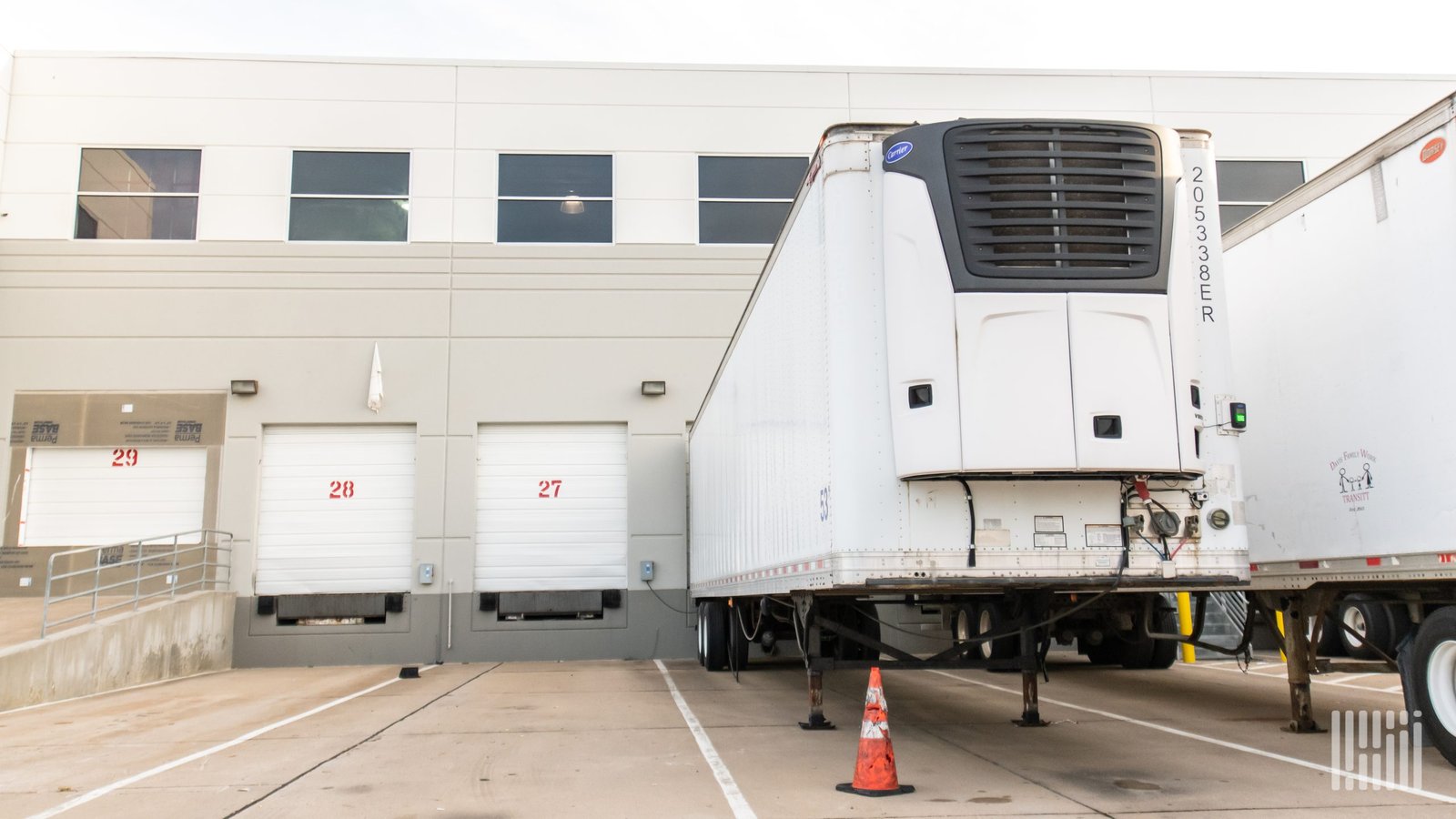
For shippers, the loading dock is where the most important decision is made. Although brokers are responsible for selecting and approving carriers, the shipper still controls the freight until it leaves the facility. Before releasing a shipment, staff have the opportunity to verify the carrier’s identity, check the driver’s information, review the paperwork, and confirm that the truck matches the approved transportation assignment.
They are not expected to repeat the broker’s entire vetting process. Their role is much simpler: make sure the carrier, driver, and equipment arriving at the facility are the same ones that were originally approved. Problems arise when obvious differences are noticed but the shipment is allowed to leave anyway.
Simply being involved in an accident does not automatically make a shipper liable. The issue is whether the shipper ignored warning signs and released freight to a carrier or driver whose identity could not be properly confirmed.
A simple paperwork mistake can usually be cleared up without much difficulty. But a different carrier name, another DOT number, an unknown driver, altered truck markings, or claims that the vehicle belongs to a sister company are much more serious. If there is any uncertainty about who is actually transporting the load, the safest option is to keep the freight at the facility until everything has been verified.
Many companies see pickup verification mainly as a way to prevent cargo theft, but it also plays a major role in road safety. A carrier’s identity is tied to its operating authority, safety record, insurance coverage, driver qualification process, and vehicle maintenance program. If a different carrier shows up, the broker’s original vetting may no longer apply.
That replacement carrier could have a different safety history, different insurance, or different operating authority. In some cases, the load may even have been rebrokered without permission or the legitimate carrier’s identity may have been stolen.
Once the truck leaves the dock, the consequences go far beyond the shipment itself. An unqualified driver, an unsafe vehicle, an uninsured carrier, or an unauthorized operator can put everyone sharing the road at risk.
For that reason, facility employees should always compare the carrier name and DOT or MC number on the truck with the information listed for the shipment. They should also verify the driver’s identity and, where possible, check that the truck and trailer match the approved assignment.
A different DOT number is more than an administrative detail. It usually means that a totally different motor carrier is involved, with its own safety record, insurance policy, operating authority and legal liability.
If a driver says that the truck is owned by a sister company, the same caution should be used. Even if the businesses share owners, equipment or management, separate DOT authorities mean they are separate carriers. Unless the substitution has been officially approved, treat it as a serious matter.
Visible alterations to DOT or MC markings deserve the same level of attention. Tape or temporary lettering covering another carrier’s information—or trucks displaying multiple identities—should immediately prompt further checks. In those situations, facility staff should contact both the broker and the assigned carrier using trusted contact details rather than relying only on phone numbers provided by the driver or found in emails that could have been compromised. Until the carrier’s identity is confirmed, the shipment should remain where it is.
Having the correct pickup number or appointment details is not enough to prove a driver is authorized to collect the freight. Cargo thieves often obtain information about legitimate shipments via phishing, hacked email accounts, impersonation, social engineering, or double brokering schemes.
This is why it is important to verify the driver’s association with the approved carrier. Even if the driver knows every detail of the shipment, the load should not be released until that relationship has been confirmed.
Communication also matters. The concern is not where the driver comes from or what language they prefer to speak. What matters is whether they can identify the carrier, understand safety instructions, answer basic questions about the shipment, review the paperwork, and communicate effectively if something goes wrong.
Federal regulations already require commercial drivers to possess adequate English skills to communicate with authorities, read road signs and fill out required documentation. While shipping facilities are not expected to conduct roadside inspections, they should pause the pickup if the driver cannot communicate basic information about the shipment or facility safety procedures.
If a major accident occurs later, investigators are unlikely to stop at reviewing broker records. They may also examine gate logs, video surveillance, photographs, bills of lading, e-mails, text messages, telephone records, internal procedures, or statements of warehouse workers or security personnel.
Those records could show employees saw a different DOT number, asked questions about a sister company’s explanation or raised concerns about the driver before the load was released. Or they could show the shipper followed a clear verification process and had no reason to believe the transportation provider was unauthorized or unsafe.
Shippers should define an escalation process to mitigate risk Pickup procedures should require staff to confirm the carrier, driver, DOT or MC number and equipment details available prior to releasing any shipment.
And they need to identify the specific scenarios that require additional approval — like carrier name mismatches, different DOT numbers, unknown drivers, altered truck markings, conflicting paperwork, surprise equipment, sister-company explanations or communication problems.
Most importantly, employees should have the authority to stop the release until questions are answered. Tight schedules, customer pressure, detention costs, or demands from unidentified callers should never outweigh unresolved concerns about a carrier’s identity. Keeping clear records of what was observed, who was contacted, and why the shipment was eventually released can also help demonstrate that reasonable procedures were followed.
Following the Montgomery decision, every transportation safety decision made before a truck leaves the loading dock is likely to receive closer attention. Since shippers are the last people to control the freight before it enters public roads, they are also in the best position to make one final verification.
If the carrier, driver, and truck all match the approved assignment, the shipment can move forward. If they do not, the load should remain at the facility until the transportation provider has been fully verified. After all, the truck leaving the dock is the same truck everyone else will meet on the highway.