



Tesla delivered a strong second quarter, reporting record vehicle deliveries and a 26% increase in revenue while continuing to invest heavily in expanding production of its long-awaited Tesla Semi electric truck.
The Austin, Texas-based automaker generated $28.24 billion in revenue during the quarter, including $20.52 billion from its automotive business. Tesla delivered a record 480,126 vehicles worldwide, produced 451,758 vehicles, and posted diluted earnings per share of $0.32.
Operating income reached $398 million, reflecting increased spending on research and development across several strategic areas, including artificial intelligence, robotics, battery technology, and commercial vehicle manufacturing.
During the company’s earnings call, CEO Elon Musk said Tesla has entered what he described as its largest investment cycle to date, with significant capital being directed toward expanding manufacturing capacity across multiple business segments.
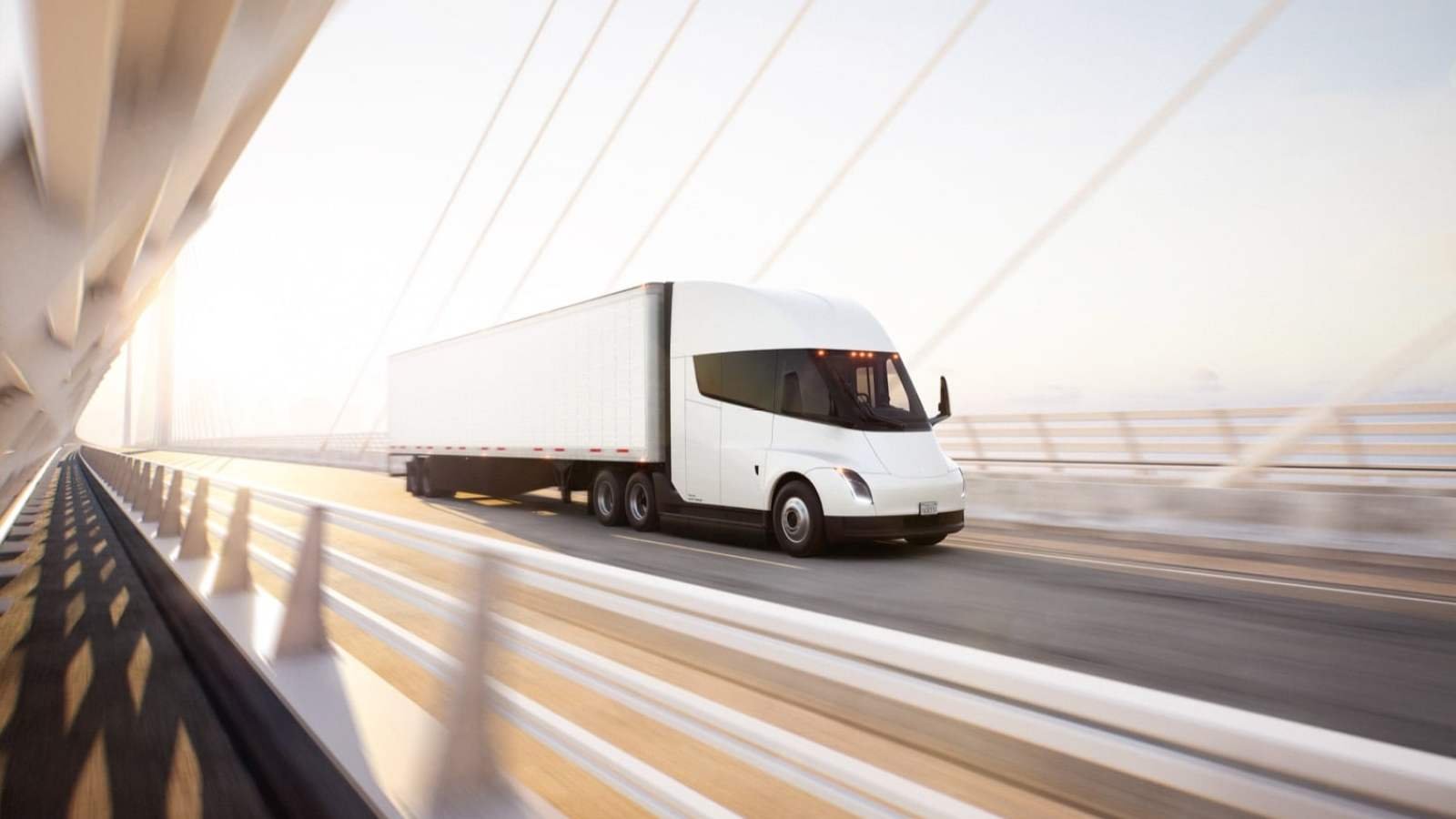
Among the company’s priorities is the Tesla Semi program. Musk confirmed that production activities have begun while Tesla simultaneously increases battery cell production, lithium refining, cathode manufacturing, and future solar manufacturing capacity.
Tesla also confirmed that construction of its Nevada Tesla Semi factory remains on schedule, with production expected to begin later this year. The company said higher output of its 4680 battery cells will support the planned production ramp-up for both the Cybercab and the Tesla Semi.
According to Tesla’s latest shareholder update, the Nevada facility has entered the commissioning phase as the company continues expanding battery manufacturing to meet future vehicle demand.
Chief Financial Officer Vaibhav Taneja said development of the Semi program contributed to higher operating expenses during the quarter. He explained that research and development costs increased mainly because of pre-production activities for new products, including the Tesla Semi, Optimus humanoid robot, Cybercab, and other artificial intelligence initiatives.
Tesla’s aggressive expansion plans are also reflected in its capital spending. The company invested $5.8 billion during the quarter, more than double the previous quarter, as it accelerates the buildout of manufacturing capacity. Management expects total capital expenditures to exceed $25 billion this year and continue rising over the next several years.
Executives acknowledged that supply chain challenges remain the biggest obstacle to further increasing production. Taneja said battery availability and electronic components continue to limit manufacturing growth, although Tesla is working to strengthen long-term agreements with strategic suppliers.
During the analyst question-and-answer session, Musk pointed to several key supplier partnerships supporting Tesla’s expansion, including semiconductor production from Samsung and TSMC, battery investments from Panasonic, and memory supply commitments from Micron.
Tesla’s second-quarter performance underlines the company’s continued commitment to the heavy-duty trucking market. As production of the Tesla Semi moves closer to full-scale manufacturing, the investment signals increasing competition in the Class 8 segment while reinforcing the industry’s broader shift toward electrification and domestic manufacturing.