



DSV has expanded its dedicated air cargo network with the launch of a new weekly charter service connecting Seoul, South Korea, to Chicago-Rockford International Airport (RFD). The first flight took place on Saturday, reinforcing the airport’s growing role as an alternative gateway for freight moving into the U.S. while avoiding the congestion of nearby Chicago O’Hare.
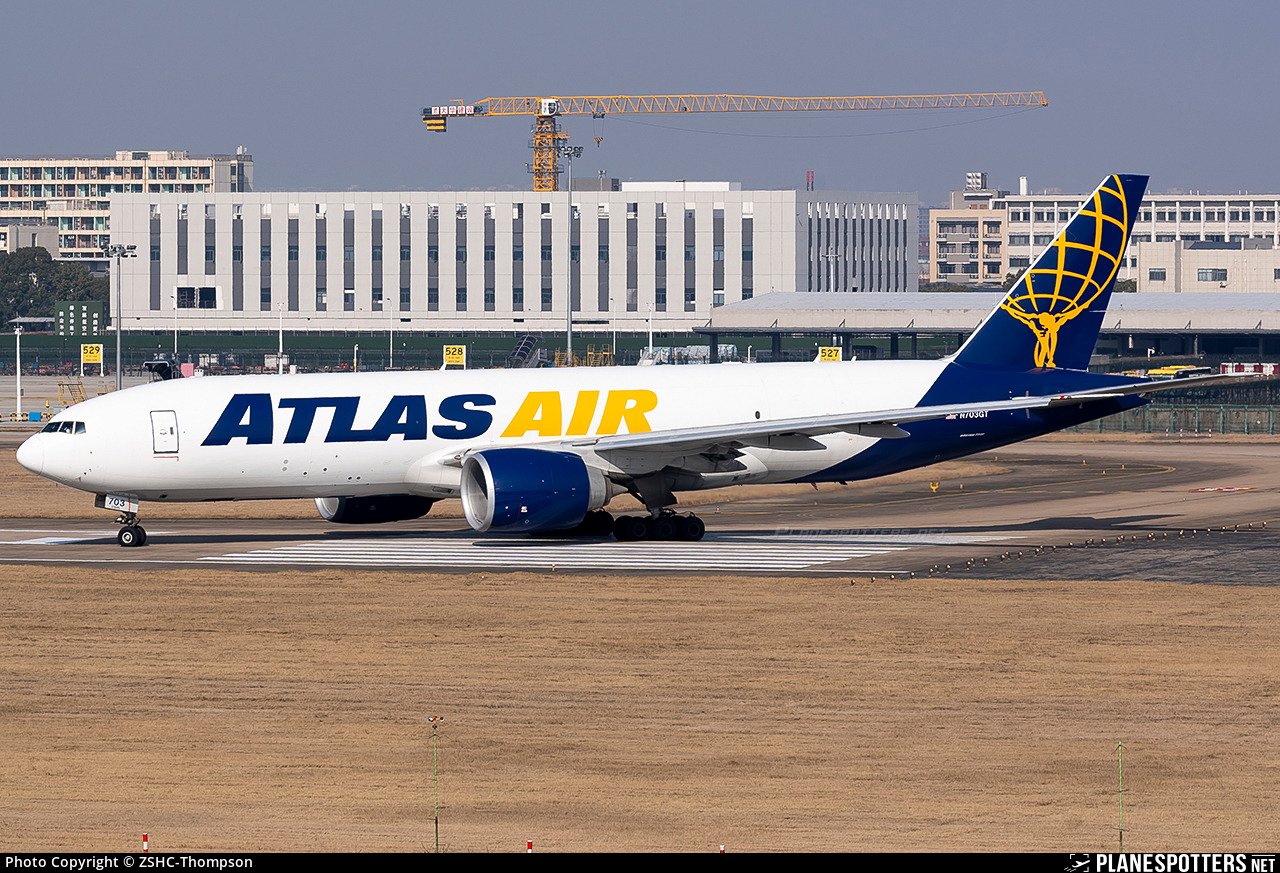
The service is operated by Atlas Air under a contract with DSV using a Boeing 777-200 freighter. According to FlightAware data, the aircraft departed from Seoul, stopped in Shanghai before making a refueling stop in Anchorage, Alaska, and then arrived in Rockford. After unloading, it continued its journey to Luxembourg on Sunday.
The new connection builds on DSV’s expanding presence at Rockford. The company, the world’s third-largest logistics provider by revenue, began operating weekly charter flights from Shanghai through the airport in November. It added a scheduled inbound service from Luxembourg in June, with all three routes operated by Atlas Air and integrated into DSV’s global air freight network.
For Mohamed Siraj, DSV’s Vice President of Air Direct / Global Gateways, the addition of Seoul is a natural next step. He said Incheon is one of Asia’s leading cargo hubs and that Rockford has proven to be a reliable and flexible airport capable of supporting scheduled international freighter operations while providing the connectivity DSV needs for its growing network.
The expansion is not stopping there. DSV is already preparing to launch another scheduled route later this year linking Rockford with Chennai, India, further increasing its direct air cargo capacity.
Like many major freight forwarders, DSV chooses to charter its own aircraft because it gives the company far greater control over capacity, schedules and transit times than relying solely on commercial airlines. That flexibility allows shipments to move more efficiently and helps meet customers’ delivery expectations.
At Rockford, cargo is handled through a shared terminal operated by Menzies Aviation, where freight is quickly transferred between aircraft and trucks serving DSV’s nearby distribution facilities.
The airport itself continues to gain momentum as a cargo hub. In 2025, Chicago-Rockford handled 498,432 metric tons of freight, a 10.8% increase from the previous year, according to Airports Council International, placing it 19th among North American cargo airports. The Federal Aviation Administration also ranks RFD as the 12th busiest airport in the United States based on total landed aircraft weight, reflecting the high number of large freighter aircraft using the facility.
UPS, Amazon Air and Maersk Air Cargo remain the airport’s largest cargo operators, each running dedicated handling facilities. Although Maersk ended its trans-Pacific Boeing 767-300 freighter operations earlier this year after ending its agreement with Amerijet, it still operates weekly services from Liège, Belgium, using aircraft flown by Magma Aviation.
Since the Covid-19 pandemic, airports like Rockford have become increasingly attractive to logistics companies operating dedicated charter flights. Compared with larger hubs, they offer less congestion, lower operating costs, faster cargo handling and easier road access, allowing freight to reach its final destination more quickly.
Rockford officials also point to operational advantages for airlines. Aircraft can save up to 25 minutes in taxi time compared with Chicago O’Hare, reducing fuel consumption while helping cut carbon emissions.