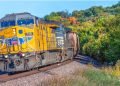




Union Pacific (UP) and Norfolk Southern (NS) executives have reaffirmed their confidence that the proposed merger between the two railroads will receive regulatory approval, arguing that the latest additions to their application further strengthen competition and deliver greater benefits for shippers.
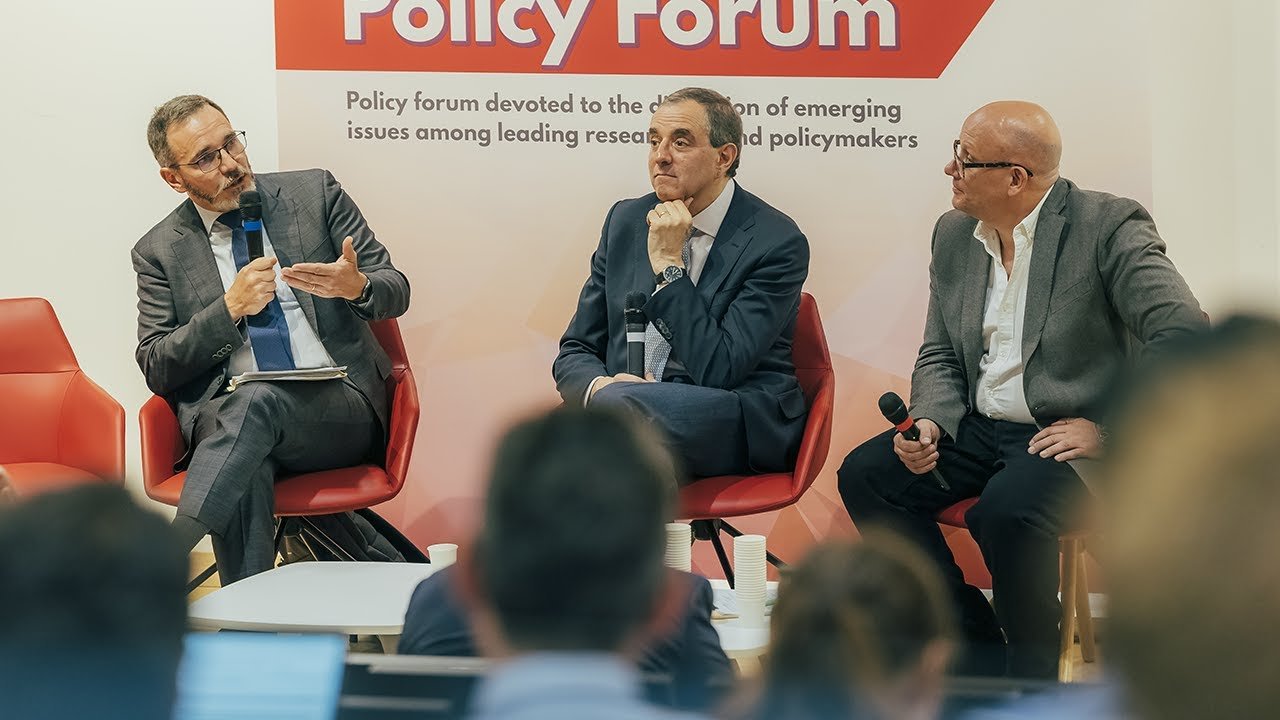
Speaking during the FreightWaves TrainsPro Future of Rail Symposium in Chattanooga, Union Pacific CEO Jim Vena and Norfolk Southern CEO Mark George said the revised proposal directly addresses concerns raised by the U.S. Surface Transportation Board (STB) while creating a more competitive rail network.
According to Vena, the merger would improve end-to-end rail service, allowing freight to move more efficiently across the country while lowering transportation costs. He argued that preventing the merger in an effort to protect competing railroads could ultimately result in higher costs for both shippers and consumers.
Vena also maintained that competing railroads would remain free to respond by improving service or reducing prices, creating additional competitive pressure throughout the industry.
George added that the merger announcement itself has already encouraged greater competition, although he acknowledged that the STB will expect more substantial evidence before approving the transaction. He said the additional commitments included in the revised application significantly strengthen the case for the merger.
Earlier this week, Union Pacific and Norfolk Southern submitted a 412-page supplemental filing, the second update requested by the STB after it conditionally accepted the revised merger application in May.
One of the most significant changes is the expansion of the Committed Gateway Pricing (CGP) program. The updated proposal doubles the number of eligible shippers and extends the program to include bulk unit train movements, which were not covered under the original application.
Vena explained that the expansion was made following discussions with customers, who believed broader gateway pricing options would improve their negotiating position and create additional routing flexibility. He said the companies were willing to expand the program because they were confident in competing for business.
George described the revised CGP proposal as a major enhancement to the merger’s competitive framework. He added that, combined with the recently announced operating agreement with Canadian National (CN), the transaction would reshape the North American rail market in ways not seen during previous Class I railroad mergers.
The agreement with CN grants the Canadian railway access to Kansas City, Missouri, and Union Pacific’s gateway to Mexico through Eagle Pass, Texas. In return, Union Pacific would gain the ability to reroute certain trains around Chicago using CN’s former Elgin, Joliet & Eastern (EJ&E) line. While some elements of the agreement can move forward independently, others remain contingent upon STB approval of the UP–NS merger.
George said the partnership enhances competition in key freight markets, particularly Kansas City and St. Louis, by creating new routing opportunities for multiple rail carriers.
Responding indirectly to criticism from BNSF that the CN agreement proves a merger is unnecessary to improve service, Vena argued that such a partnership would never have been possible without the merger proposal. Drawing on his previous career at CN, he joked that the company would never have entertained the idea under normal circumstances.
Another addition included in the latest filing introduces a mechanism allowing customers to request reciprocal switching through the STB if service quality declines during the integration of the two railroads.
Vena said Union Pacific would also prefer to work directly with customers to resolve any temporary service disruptions through negotiated agreements rather than relying solely on regulatory intervention. George described the proposal as an additional customer protection that complements the remedies already available through the STB.
The Norfolk Southern CEO also emphasized the operational advantages of combining the two networks. According to George, the merger would create approximately 88,000 new single-line freight routes, replacing existing interline movements that currently require freight to transfer between railroads.
He said shippers are two to three times more likely to choose rail when single-line service is available, while such movements typically cost 27% less than interline transportation. George argued that these efficiencies would encourage more freight to shift from trucks to rail, generating cost savings for customers while improving the overall efficiency of the North American freight network.