




BC 1 Call has released the fourth chapter of its Beneath B.C. educational series, emphasizing that safe excavation depends on following a structured process rather than relying on experience or assumptions about what lies underground.
According to the organization, utility strikes often occur because excavators believe they already know the location of buried infrastructure. Whether the work involves a homeowner installing a fence, a municipality replacing water infrastructure, or a contractor constructing a major facility, the same safety principles apply before any ground is disturbed.
The organization notes that while the industry’s well-known “Click or Call BC 1 Call” message encourages excavators to request utility locates, obtaining a free locate ticket is only the first step in a broader damage prevention process involving excavators, utility owners, and infrastructure operators.
Submit a locate request before excavation
BC 1 Call recommends submitting a free locate request at least three business days before any excavation begins.
The organization estimates that around 70% of reported utility strikes occur without a BC 1 Call ticket, often because projects are considered too small or crews assume they already know where underground utilities are located.
A locate request allows participating utility owners to identify infrastructure within the proposed work area, helping reduce the risk of damaging buried assets before construction starts.
Review all responses carefully
Receiving a BC 1 Call ticket does not automatically authorize excavation.
Before beginning work, excavators should review every response from participating utility owners to determine which utilities are present, what instructions have been provided, and whether additional approvals are required.
Some projects involving infrastructure such as high-pressure oil or natural gas pipelines may require permits, written authorization, or on-site inspectors before excavation can proceed.
Understand the information provided
BC 1 Call also stresses that utility locate documents should be interpreted carefully.
Underground utility records represent the best available information but are not engineering drawings. Actual field conditions may vary from those expected due to repairs, utility relocation, soil movement, abandoned utilities or incomplete historical records.
Excavators should not assume and proceed if there is no other information, but should contact the utility owner directly for clarification.
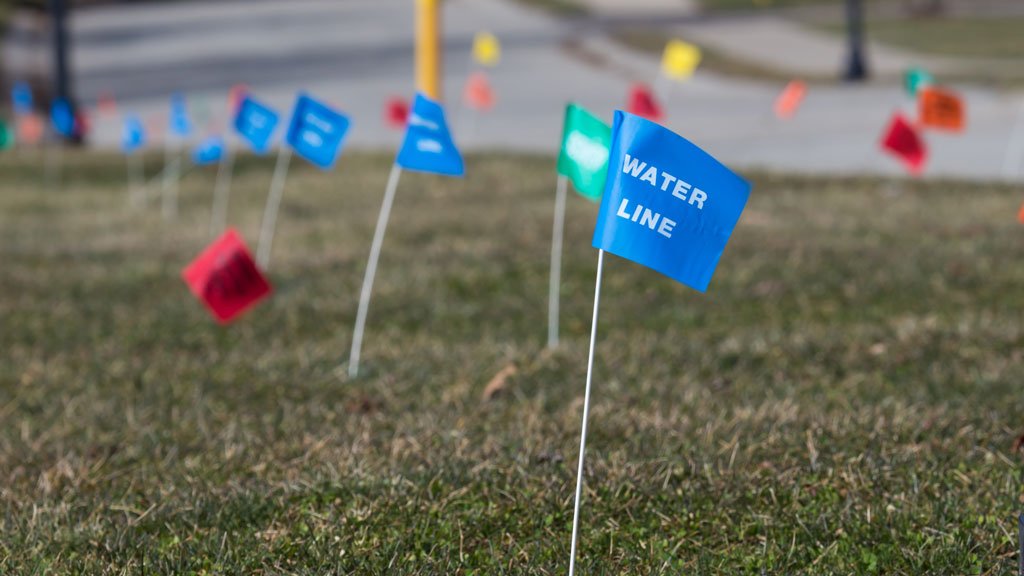
Locate Underground Infrastructure Safely Trained utility locators use specialized detection equipment, standardized color-coded paint and flags to mark the approximate location of underground infrastructure prior to the use of mechanical excavation equipment near buried utilities.
However, such surface indications can only provide approximate locations and do not guarantee the exact depth, location or conditions of the buried assets.
BC 1 Call recommends exposing underground facilities using approved techniques such as hand digging, hydro-vac excavation, daylighting, or potholing before heavy equipment is used nearby.
The organization also warns against misunderstanding the concept of hand digging. It is not simply replacing an excavator with a shovel but instead following a controlled process to positively identify buried infrastructure.
For example, industry standards prohibit mechanized excavation within a one-metre radius around the outside diameter of distribution-pressure natural gas pipelines. Within this zone, utilities must first be exposed using approved non-mechanical methods.
If a utility is not found where expected, work shall immediately stop until further instruction is received from the utility owner.
Protect exposed utilities throughout the project
BC 1 Call stresses that damage prevention doesn’t end once underground infrastructure has been located.
Exposed pipes, cables and conduits may require support and continuous protection throughout the construction project to prevent movement, sagging or accidental damage as excavation proceeds.
According to the organization, everyone involved in excavation shares responsibility for safeguarding underground infrastructure until work is completed and the site has been fully restored.
The next installment of the Beneath B.C. series will showcase how better geospatial data and better information sharing can help support safer digging, more efficient infrastructure planning and stronger decision-making across British Columbia’s construction industry.