



Canada is opening a new national monument dedicated to LGBTQ+ people who experienced persecution by the state, creating a permanent space in Ottawa to remember a painful chapter of the country’s history.
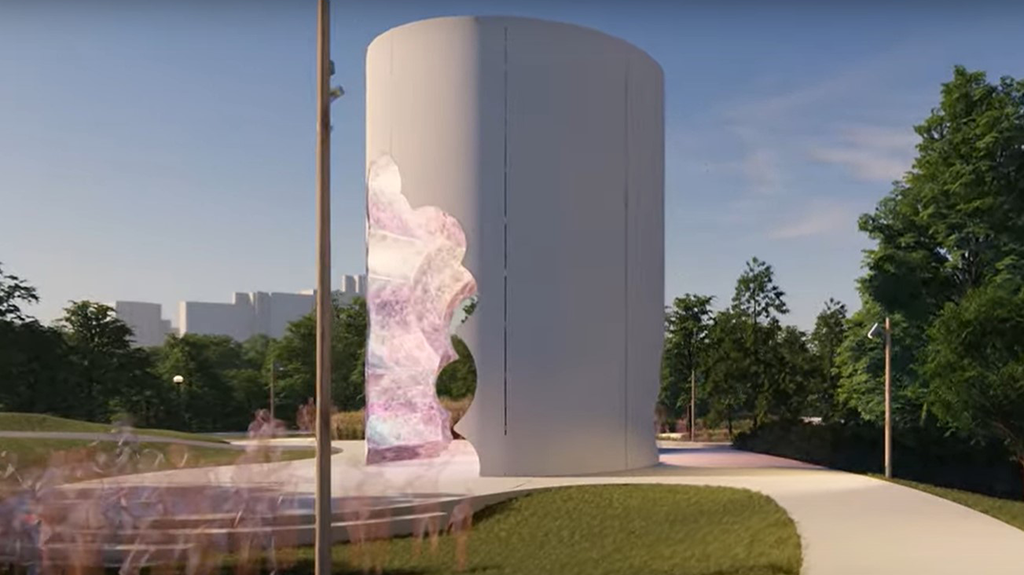
The monument, called Thunderhead, officially opens Friday just west of Parliament Hill, along an Ottawa River cycling path with views toward the Supreme Court and Parliament.
The site is intended to serve several purposes: a place to learn about the past, mourn those affected by discrimination and celebrate the LGBTQ+ community.
The monument commemorates victims of the LGBTQ+ purge, a federal government campaign that began in the 1950s and continued into the 1990s. During that period, thousands of lesbian, gay, bisexual and transgender people were identified and removed from positions in the Canadian Armed Forces, the RCMP and the federal public service because of their sexual orientation or gender identity.
The monument was funded through a $145 million class-action settlement involving 719 people who alleged they had been forced out of federal employment because of their identity. The agreement allocated $15 million toward the monument and related memorialization initiatives.
Michelle Douglas, head of the LGBT Purge Fund and herself a former victim of the purge, said the monument will help ensure Canadians understand the scale of the injustice and remember why such discrimination must never be repeated.
Douglas said researchers estimate that approximately 9,000 people across the federal workplace were targeted, losing their jobs or facing harassment and discrimination.
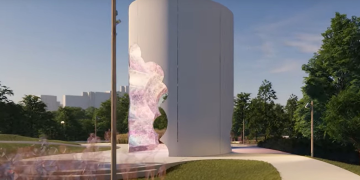
The design of Thunderhead draws on both LGBTQ+ and Indigenous symbolism. The sculpture features the imprint of a cloud made with mirrored tiles, while hundreds of thousands of small glass squares evoke disco balls.
The name refers to a cumulonimbus cloud associated with powerful storms. According to the LGBT Purge Fund, Anishinaabe teachings describe thunderheads as homes of thunder beings whose storms can renew the land.
The monument also incorporates Indigenous elements representing identities that existed before European influence imposed a binary understanding of gender.
Visitors will be able to explore information about the history of the purge, sit quietly in reflection areas or gather with others. The site also includes picnic benches and spaces designed for commemorative events.
An opening ceremony will bring together victims and survivors, government representatives and prominent LGBTQ+ Canadians, including Two-Spirit people.
For Douglas, the monument is not only about remembering persecution but also about creating a place where LGBTQ+ people can experience community and joy.
The opening comes as LGBTQ+ rights remain the subject of political debate and legal changes in several countries, adding contemporary relevance to the monument’s message about discrimination and inclusion.