




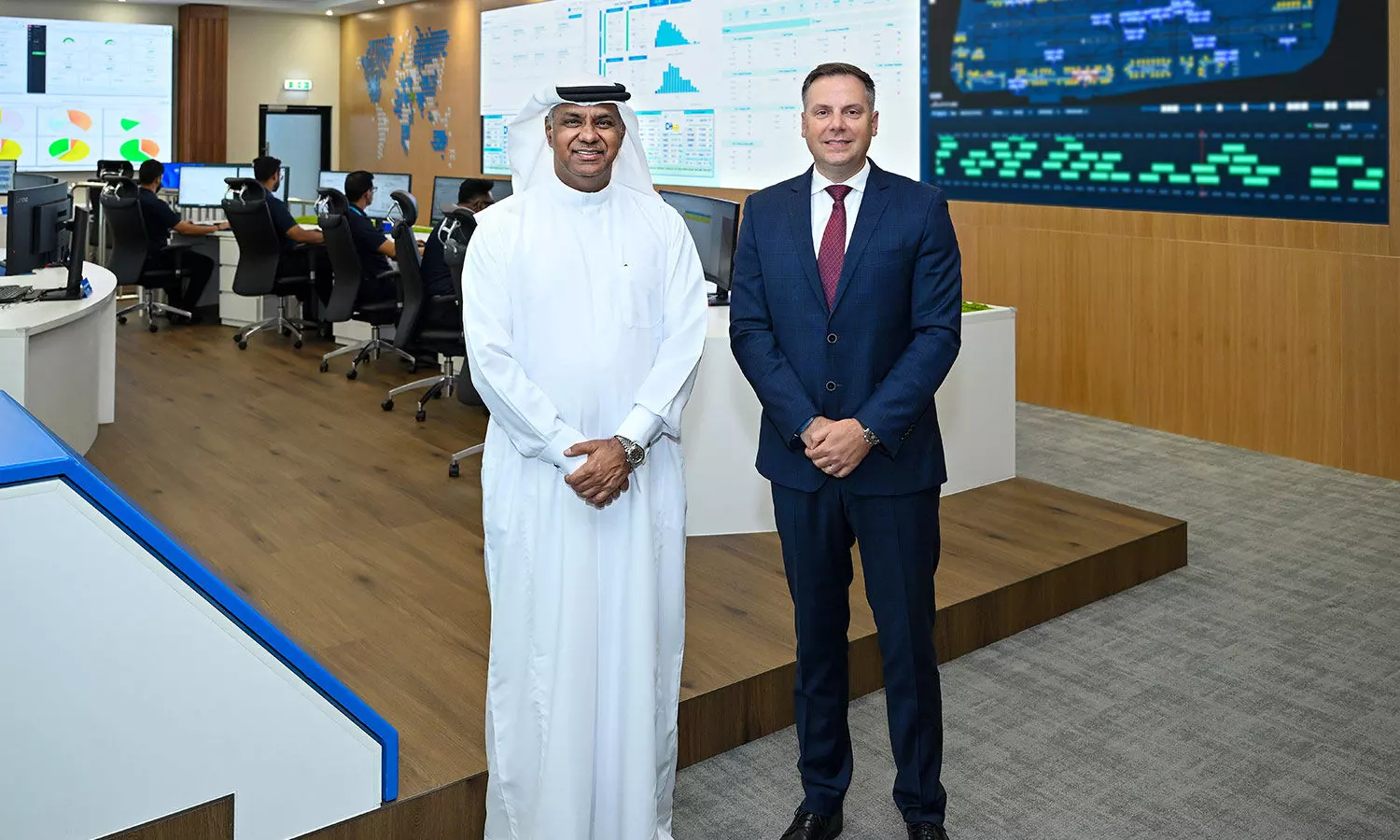
DUBAI — dnata has opened a new Cargo Integrated Command Center (CICC) in Dubai, modernizing its existing cargo control center to integrate advanced technology, operational data and decision-making capabilities to enhance the efficiency of its cargo operations across the United Arab Emirates.
The CICC is located at dnata’s hub at Dubai International Airport (DXB) and gives teams a single view of cargo activity at both DXB and Dubai World Central-Al Maktoum International (DWC).
The facility will enable teams to forecast operational requirements, align resources and respond quicker as situations change across the cargo network.
It’s a big operation. In FY 2025-26, dnata handled over one million tons of cargo, 189,000 flight movements and 46,000 truck movements.
The launch coincides with Dubai’s ongoing efforts to expand its aviation and logistics infrastructure. DWC development is expected to add substantial capacity and support the emirate’s long-term desire to be a global cargo hub.
Visibility of cargo operations in real time
At the core of the CICC is an internally-built operational dashboard that pulls together crucial operational information and refreshes data every 10 seconds.
It gives teams a near real-time view of cargo activity so they can track progress and spot potential operational issues sooner.
dnata’s One Cargo management system tracks operational activities and transactions in real time and is in place at the command center.
It also connects with dnata’s Appointment and Dock Management (ADM) system giving visibility of truck movements across both DXB and DWC.
The CICC also draws in data from dnata’s cargo community platform Calogi. This allows for broader supervision of landside operations and support services, such as last mile delivery.
dnata wants to connect these systems to provide its teams with a wider view of the cargo flows across its network.
This integrated approach allows the CICC team to oversee the operations of all sites, to pinpoint potential bottlenecks and coordinate timely responses between the operational teams.
The new command center thus marks a transition from managing cargo operations with separate systems to a more integrated, data-driven model to improve visibility, coordination and operational efficiency across Dubai’s expanding cargo infrastructure.