



The U.S. Maritime Administration (MARAD) is moving forward with updating the federal licensing process for offshore energy export terminals, sending a proposed rule to the White House for executive review.
On 28 August, the Notice of Proposed Rulemaking (NPRM), “Processing Applications and Licensing Deepwater Ports,” was submitted to the Office of Management and Budget (OMB). The legislation would overhaul the regulatory framework established under the Deepwater Port Act of 1974 while codifying an administration policy to cut back the delays in approval of offshore infrastructure.
The announcement, made in January, by US Transportation Secretary Sean Duffy, said MARAD would take over primary responsibility for environmental reviews under the National Environmental Policy Act (NEPA) and other environmental compliance requirements previously conducted by the US Coast Guard.
Under the new arrangement, MARAD would lead the environmental review process, with the Coast Guard continuing to be a cooperating agency, responsible for areas such as facility safety, design and marine operations.
“The Deepwater Port Program is a key pillar to President Trump’s energy dominance strategy,” Duffy said at the time of the policy announcement. The change is meant to speed up project approvals and allow the U.S. to better utilize its natural resources, create high-paying jobs and lower energy costs for American households, he said.
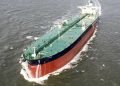
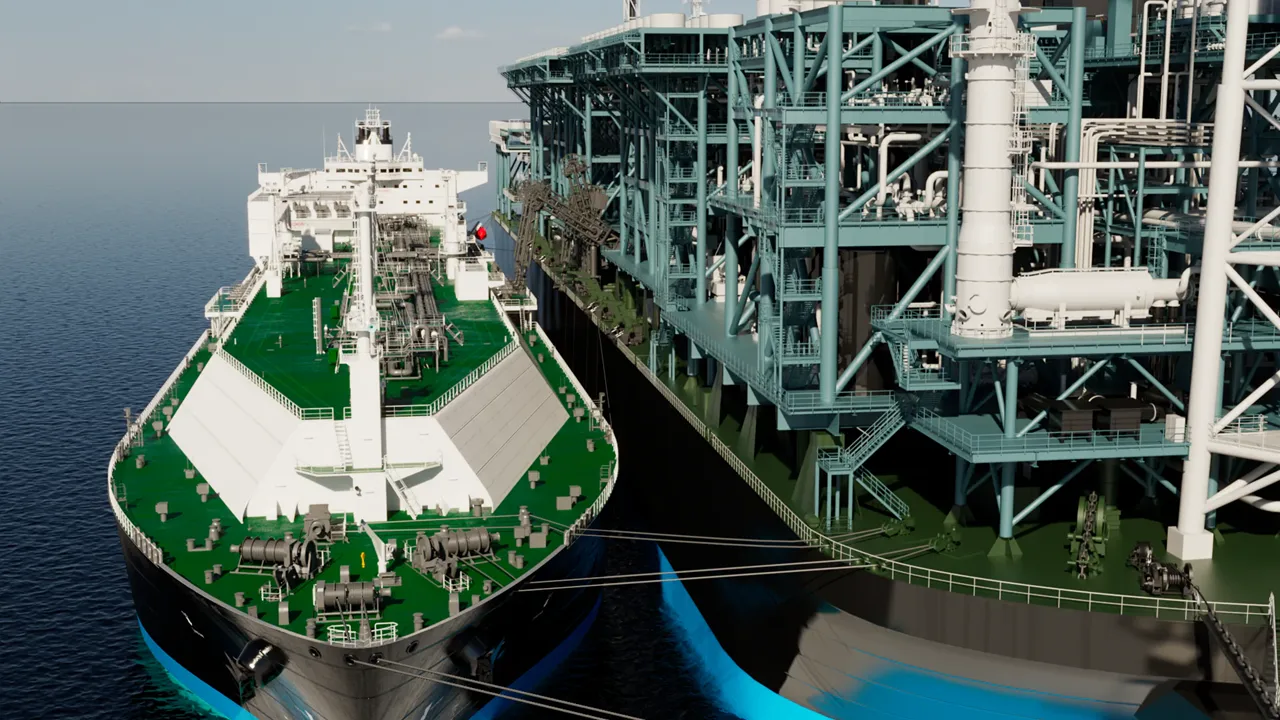
With a regulatory overhaul in the works, developers are eyeing multi-billion-dollar investments in offshore energy infrastructure. Floating liquefied natural gas (FLNG) facilities and crude oil export terminals rely on deepwater moorings to accommodate Very Large Crude Carriers and large gas carriers, thus avoiding the draught limitations of congested onshore port facilities.
The licensing process under the Deepwater Port Act has taken years in the past. The Trump administration says only 31 applications have been filed since 1975. Eleven of those applications have been for crude oil and liquefied natural gas (LNG) exports, with several projects having lengthy processing times.
Two major projects show the scale of the investments involved. Delfin Midstream’s $5 billion FLNG terminal planned off the Louisiana coast would be the first offshore LNG export project in the U.S. Meanwhile, Sea Port Oil Terminal, a $3 billion Enterprise Products Partners project off Texas, is the first US crude oil deepwater port to be approved in almost 50 years.
For developers of such capital intensive projects, the length and certainty of regulatory reviews can have massive financial implications.
OMB’s Office of Information and Regulatory Affairs is reviewing the proposed rule. MARAD expects to publish the proposal in the Federal Register after the interagency review is finalized, a process that could take as long as 90 days.
That publication would open a formal public comment period, providing an opportunity for terminal developers and maritime operators to weigh in on the proposed changes.