



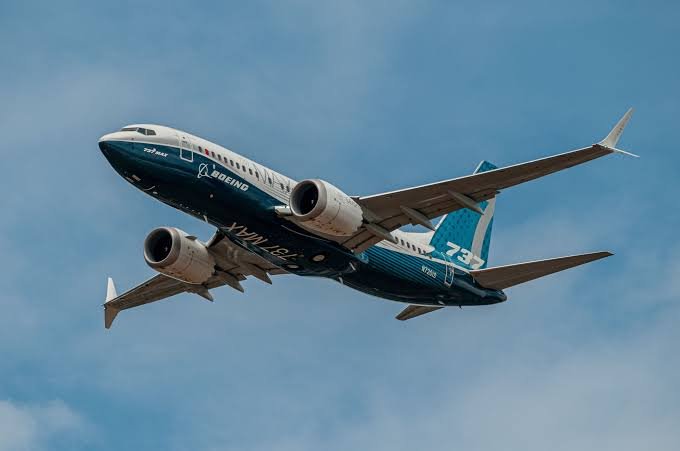
Airhub Aviation is extending its base maintenance capabilities to include the Airbus A320neo and Boeing 737 MAX, strengthening its position in the market for technical services supporting next-generation aircraft. The expansion follows the successful completion of a regulatory audit conducted by Lithuania’s Transport Competence Agency (TKA).
The newly approved scope covers Airbus A320neo aircraft equipped with either CFM LEAP or Pratt & Whitney GTF engines, alongside Boeing 737 MAX aircraft. The development broadens the range of aircraft platforms supported by the company, which specializes in aircraft asset management, maintenance, component repair management and end-of-life solutions.
For Oleg Novak, Managing Director of Airhub Aviation, the expansion reflects the changing requirements of the aviation aftermarket.
“The aviation market is evolving rapidly, and technical capabilities must evolve with it. Expanding our Airbus A320neo and Boeing 737MAX maintenance scope responds directly to growing demand from lessors, operators and aftermarket players for specialized support across new-generation aircraft platforms. It also strengthens our capabilities across the broader aircraft lifecycle, with a continued focus on technical asset management and residual value preservation,” Novak said.
More extensive maintenance checks new challenges for operators
As newer aircraft reach major lifecycle milestones for Airhub Aviation, the need for routine maintenance and more complex inspections is higher.
Next generation aircraft operators are getting ready for the first 12-year checks, in addition to the regular 24-month checks. The inspections are being carried out for the first time in the aircraft’s service life and are bringing with them extra planning and operational challenges as more and more A320neo aircraft reach this point.
Such work can lead to longer periods on the ground, especially as operators and maintenance providers gain experience with these major checks. The work has to be cost effective and requires a lot of technical expertise and strong maintenance, repair and overhaul (MRO) capabilities.
“We are experiencing increasing demand for the initial 12-year checks on new-generation aircraft and the regular 24-month checks. Now a wave of A320neo aircraft is approaching this milestone, which brings additional challenges for operators, including potentially longer ground times, as these checks are being performed for the first time in the aircraft’s operational lifecycle. “It takes a lot of technical know-how and good MRO capabilities to manage these complicated maintenance events in the most cost-effective way,” said Novak.
Lifecycle support is expanding beyond just routine maintenance. Over the past 12 months, Airhub Aviation has witnessed the first Boeing 737 MAX 8 enter the end of life management process. According to Novak, part-outs – the stripping of A320neo aircraft for parts – are picking up pace following a number of airline insolvencies in 2025–2026.
These developments underscore the increasing need for technical expertise across the full lifecycle of an aircraft, from maintenance and transitions, to asset management and end-of-life solutions.
Airhub’s expansion plans next include Airbus A220 services
In addition to the A320neo and 737 MAX, Airhub Aviation is also looking to expand its technical service offering to the Airbus A220 platform.
The company is currently undergoing the required approval processes and is developing capabilities in three areas: line maintenance, aircraft transitions and end-of-life asset management. This is being done in partnership with an established, industry-leading partner.
The planned expansion comes as aviation operators continue to be under pressure from supply chain constraints, limited engine shop capacity and delays in the delivery of new aircraft. Yet, these challenges are driving the need for solutions that enable airlines and aircraft owners to maintain the value of existing assets and protect that value over the long term, even as the fleet continues to modernize.
“While the fleet is being modernized, the industry still faces supply chain constraints, limited engine shop capacity and delays in new aircraft deliveries. These pressures are creating the need for solutions that sustain the aircraft in operation while preserving long-term asset value and driving demand for flexible technical slot availability across the aircraft lifecycle. “There is an increasing need for specialized technical support across the NEO, MAX and A220 fleets, especially in areas where expertise in complex maintenance, aircraft transitions and asset management is required,” continued Novak.
Building technical expertise capacity across the aircraft lifecycle
Airhub Aviation’s development strategy is focused on meeting the changing needs of the market by expanding the scope of maintenance and providing independent, asset-oriented technical services during the lifecycle of an aircraft.
The company has a five-bay MRO facility with capacity to park large aircraft. It’s compatible with Airbus and other large aviation original equipment manufacturers (OEMs).
Airhub Aviation is expanding its technical offer to cover a wider range of next-generation fleets and the increasing demands related to their maintenance, transition and end-of-life management by adding the A320neo and Boeing 737 MAX to its base maintenance scope and seeking further capabilities for the A220.