




August saw a sharp increase in orders for newbuild vessels capable of operating on alternative fuels, with monthly contracting reaching its highest level since October 2024, according to DNV’s Alternative Fuel Insight platform.
A total of 52 alternative-fuelled newbuildings were ordered during August, marking the strongest monthly figure recorded since October 2024. The latest surge follows another strong month in July, when contracts were signed for 47 alternative-fuelled vessels.
LNG continued to dominate the alternative-fuel market. Of the 52 vessels ordered in August, 46 will be LNG-fuelled, with container ships and car carriers accounting for the overwhelming majority of those contracts.
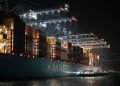
The container sector represented 30 newbuildings, while 12 car carriers were contracted with LNG-fuelled capabilities. Both segments have emerged as leading adopters of alternative-fuel technologies as shipowners respond to growing pressure to reduce emissions across global supply chains.
The remaining six vessels ordered in August will use other alternative fuels. These include four ethanol-fuelled bulk carriers and two hydrogen-powered bulk carriers.
The strong August figures bring the total number of alternative-fuelled vessels ordered during the first eight months of 2026 to approximately 242. LNG remains by far the most widely selected alternative fuel, accounting for 63% of all alternative-fuelled newbuildings contracted so far this year.
Jason Stefanatos, Global Decarbonization Director at DNV Maritime, said the latest figures reflect a notable strengthening in ordering activity.
“The past two months have been particularly strong for alternative-fuelled vessel ordering, with August recording the highest monthly total we’ve seen since October 2024. This has helped lift year-to-date orders to a level well above the same period last year.”
Stefanatos also pointed to the continued strength of LNG, particularly in the container and car carrier sectors.
“LNG remains the leading fuel choice, driven largely by activity in the container and car carrier segments.”
According to Stefanatos, these sectors have been among the earliest adopters of alternative fuels, supported by predictable liner operations and growing demand from cargo owners seeking to cut emissions throughout their supply chains.
For shipowners, LNG continues to offer a combination of emissions reductions, fuel availability and future flexibility, while the longer-term alternative-fuel landscape remains in development.
The latest contracting figures underline the continued momentum behind alternative-fuelled shipping, with LNG-powered vessels—particularly container ships and car carriers currently driving much of the market’s expansion.