




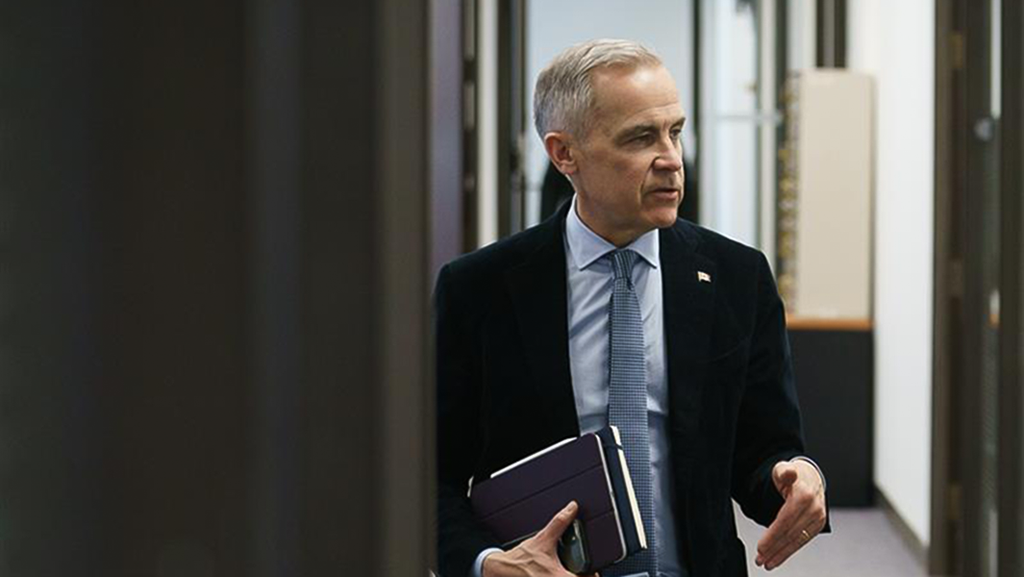
As Canadian politicians presented their plans for major projects to foreign investors at a first-of-its-kind summit in Toronto, First Nations youth in Ottawa were making a very different appeal: they urged Canadians to join their efforts to stop developments they believe could permanently damage their lands and waters.
Jeronimo Kataquapit and his cousin Ramon had just returned from a weeks-long journey along the coast of James Bay, the body of water located between Quebec and Ontario at the southern end of Hudson Bay.
Jeronimo described the trip as “hardcore camping”. Together with Ramon and his parents, he spent weeks along the shorelines, where the family encountered polar bears, large flocks of geese and caribou.
For the Attawapiskat First Nation family, however, the journey was about much more than spending time outdoors. It formed part of their continuing effort to leave physical evidence of First Nations occupation across the lands and waterways as federal and provincial governments move forward with plans to develop the mineral-rich Ring of Fire.
The Kataquapit family strongly opposes the project, which is considered a “major project” under the government’s development agenda.
“I didn’t want to wait around for our elected leaders to take action,” Jeronimo told attendees at an event held Tuesday evening at St. Andrew’s Presbyterian Church, only steps from Parliament Hill.
“We needed to make our presence known on the river.”
Prime Minister Mark Carney’s time in office has so far been strongly associated with his push to advance major projects as part of efforts to reinforce Canada’s economy amid growing trade tensions with U.S. President Donald Trump.
The two-day summit in Toronto brought together hundreds of Canadian and international executives representing trillions of dollars in assets under management. Discussions focused on both longstanding concerns and newer challenges surrounding Canada’s investment climate.
Canadian government officials and business leaders sought to counter the country’s reputation as a difficult market in which to generate returns. Their message to international investors was that Canada is “open for business.”
The Kataquapits argue that this description does not reflect their reality at least not the vision of Canada being promoted by Carney and Ontario Premier Doug Ford.
“They talk about the region as if it’s a statistic, as if it’s a number, as if it’s money to be made,” Jeronimo said while sitting in a wooden pew inside Ottawa’s oldest Presbyterian church, as mostly non-Indigenous participants left the Together for Nature tour.
“But it’s people’s homes…We know what’s at stake. It’s our future that will be affected.”
The Together for Nature Tour, organized by Ontario Nature and Legal Advocates for Nature’s Defence, aims to create greater solidarity between Indigenous and non-Indigenous Canadians. Its organizers are seeking support for environmental protection while challenging Carney’s major projects agenda.
Carney’s government encountered significant opposition from Indigenous leaders last year when it introduced legislation designed to accelerate major projects.
First Nations leaders warned at the time that the government’s fast-track development approach could interfere with Indigenous rights. They also accused Carney of putting investor interests ahead of their concerns.
While the tone from elected community leaders has shifted since then, young people involved in the campaign continue to voice their opposition. They warn that development could cause irreversible damage to landscapes and waterways they have known throughout their lives and which have sustained their ancestors for generations.
That message is now being carried across Ontario by the Kataquapits, with stops scheduled in Ottawa, Toronto, Kitchener and London. They are also asking people attending the events to continue sharing the message through their own networks after the tour concludes.
“It’s all about the dollar (for Carney and investors). It’s about money and what they can gain in the short term,” Ramon said.
“But when the long term comes to bite them and their children when they’re in the spirit world, they’ll wish that they would have done what was right.”
The Toronto investment summit itself drew protests from Indigenous leaders, environmental organizations and union leaders. Protesters said they rejected the idea that Canada’s economic future should be determined primarily by corporate executives.
At one demonstration in Toronto, Wet’suwet’en Hereditary Chief Na’Moks criticized the government’s argument that Canada needs to accelerate major projects to protect itself from what the prime minister describes as predatory U.S. trade policy.
“Canada is getting very good at blackmailing the public,” Na’Moks said.
“That’s their story. Their story is false, the same way that they think that these projects will go on without your support