



VANCOUVER – British Columbia has already experienced two deadly extreme-heat events, first in 2009 and again in 2021. With municipal elections approaching this fall, CoolRoofsBC is calling on candidates to take a closer look at the potential role of cool roofing in helping communities prepare for a hotter climate.
In a release, the organization is providing candidates with information about what it describes as “one practical, passive measure that could help their communities better prepare for climate change.”
CoolRoofsBC is specifically asking municipal candidates to consider whether cool roofing should become a more prominent part of local responses to rising temperatures and the increasingly frequent extreme-heat events projected for the province.
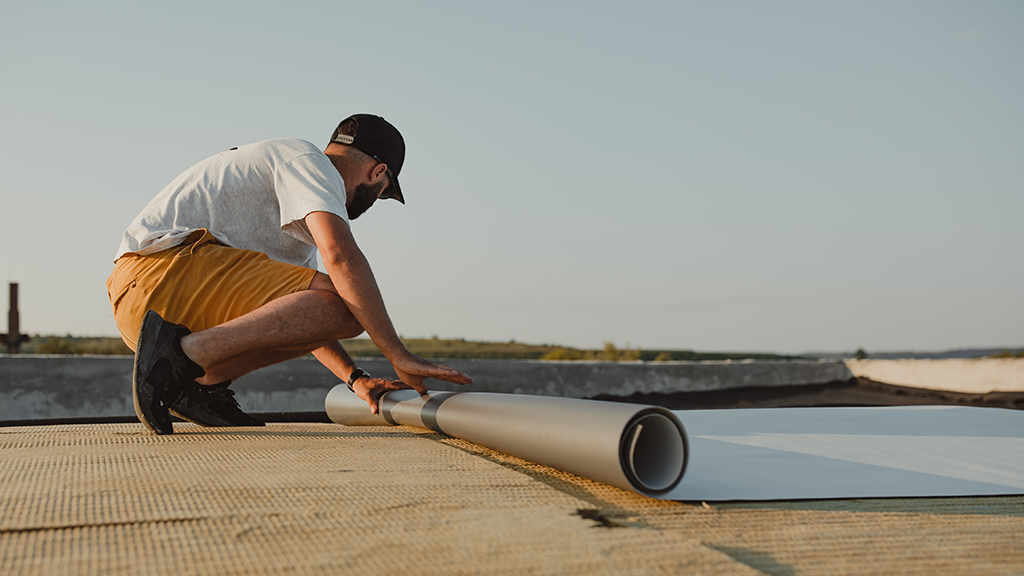
Cool roofs are designed to reflect more incoming solar energy while absorbing less heat than conventional dark roofing materials. As a result, rooftop temperatures can be reduced, along with the amount of heat transferred into buildings.
When adopted more broadly, the approach can also help limit the Urban Heat Island (UHI) effect – the excessive accumulation of heat that occurs in cities and other developed areas.
Three questions for municipal candidates
CoolRoofsBC is asking candidates to address three specific questions:
-
Have you heard of cool roofing, and are you familiar with its potential to reduce the amount of heat absorbed by buildings?
-
Why do you believe cool roofing has received limited attention in B.C. public policy and implementation compared with many other jurisdictions?
-
If elected, would you support action to investigate greater use of cool roofing as part of your community’s response to increasing temperatures and extreme-heat events?
The organization points to the 2021 B.C. heat dome as a clear demonstration of the importance of heat-resilient buildings for occupant health. According to the information cited by CoolRoofsBC, 98 per cent of the recorded deaths during the event occurred indoors.
Following the heat dome, BC Housing examined community-housing buildings that it funds or manages where heat-related deaths had occurred. Its report identified indoor temperature as a critical factor associated with heat-related deaths and reviewed passive strategies that could help reduce overheating inside buildings, including the use of high-albedo roofing materials.
Potential benefits of cool roofing
According to CoolRoofsBC, wider adoption of cool roofing could provide several benefits:
-
Lower rooftop temperatures and reduced indoor heat gain.
-
Improved indoor comfort and less exposure to potentially dangerous indoor heat.
-
Lower demand for mechanical cooling, along with associated building-energy savings.
-
Reduced Urban Heat Island impacts.
-
A passive reduction in solar heat gain that requires no electricity, mechanical equipment or action from building occupants.
At the same time, CoolRoofsBC emphasizes that cool roofs are not intended to replace other heat-adaptation measures.
The organization notes that cool roofing does not eliminate the need for heat pumps, air conditioning, insulation, trees, shade or other strategies designed to protect communities from extreme heat. Instead, cool roofs can complement those measures by reducing the amount of solar heat that buildings need to manage in the first place.
CoolRoofsBC describes itself as an independent, public-interest organization. It does not represent any roofing manufacturer and does not promote any particular roofing product.