



A new generation of 200,000 cu m LNG carriers could offer shipowners significant long-term economic and operational benefits compared with the 174,000 cu m vessels that dominate the LNG fleet today, according to an analysis by Lloyd’s Register (LR).
The classification society carried out a recent study for French engineering company Gaztransport & Technigaz (GTT). Its findings indicate that larger LNG carriers could increase overall cargo capacity while reducing transportation costs without being shut out of most of the terminals currently handling LNG.
The study was presented in a commercial evaluation report for GTT at Gastech 2026. It found that 88 of 97 existing LNG loading and discharging facilities, representing more than 90% of the terminals assessed, could accommodate the larger vessels.
LR examined infrastructure serving both Atlantic and Pacific trading routes. According to the analysis, the terminals accessible to 200,000 cu m ships include major trading hubs across Asia Pacific, Europe, North America and the Middle East.
The financial implications could also be substantial. LR identified a potential benefit of approximately $85.5 million for an LNG carrier owner over a 30-year period, alongside significant transportation savings on key trading routes.
The report suggests that larger ships could become increasingly attractive as LNG carriers continue to operate at lower average speeds. In that environment, owners will need to balance transport efficiency, fleet renewal and long-term operational flexibility, potentially strengthening the case for larger vessel designs.
Sujith Tooneri, LR co-author and global head of newbuild advisory services, said the decisions being made on fleet renewal today could influence LNG transportation for decades.
“The industry is entering a period where fleet renewal decisions will shape LNG transportation for decades to come,” Tooneri said. “Our analysis shows that 200,000 cu m LNG carriers can retain access to most major LNG terminals while increasing cargo carrying capacity, making them a practical option for owners looking to improve transportation efficiency and support future trade growth.”
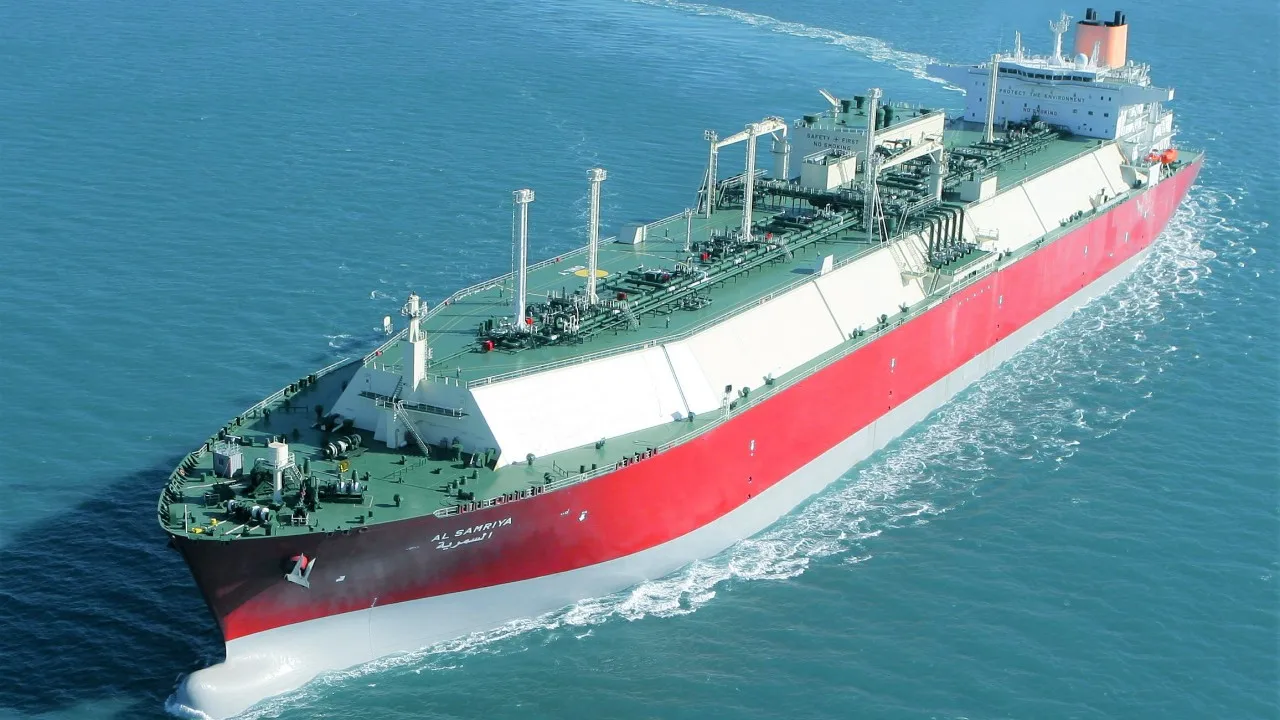
The LNG sector already operates vessels considerably larger than the 200,000 cu m design examined in the study. The Q-Max class, principally owned and operated by Qatar’s Nakilat, remains the largest LNG carrier type currently in service, with capacity of around 266,000 cu m.
Nakilat’s Q-Flex vessels rank as the second-largest class, offering capacity of approximately 210,000 cu m.
The push toward even larger LNG carriers is continuing. Construction began in June on what is set to become the world’s largest LNG carrier, with a capacity of 271,000 cu m.
The vessel is the first of a $8 billion series of 24 QC-Max vessels being built by Hudong-Zhonghua Shipbuilding in Shanghai. The ships are scheduled for delivery between 2028 and 2031.