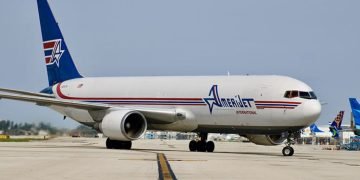




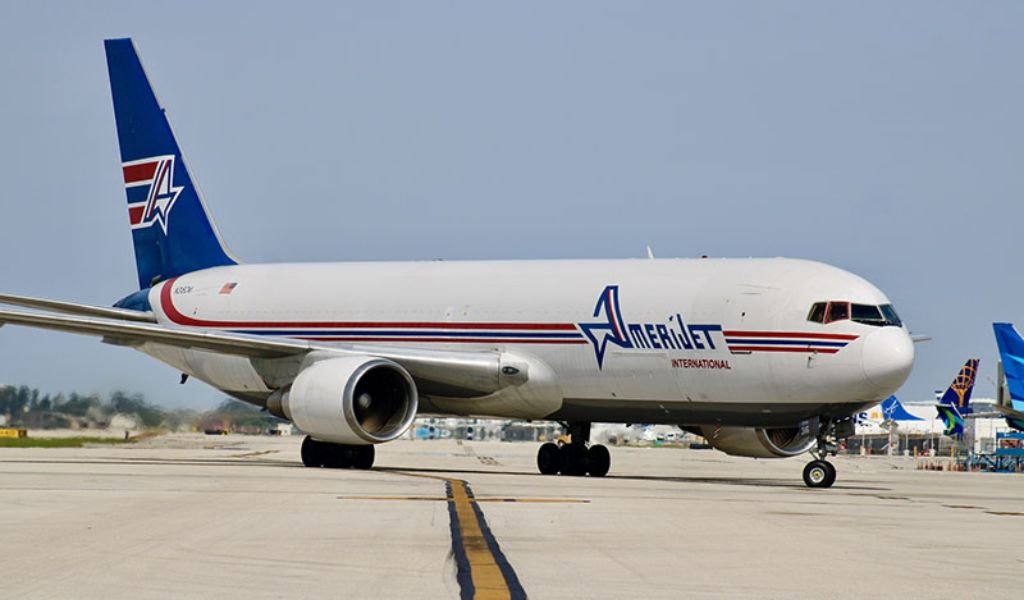
Miami-based cargo carrier Amerijet International intends to repair a 36-year-old Boeing 767-300 freighter that sustained structural damage during a hard landing in Guatemala City last month. CEO Joe Mozzali confirmed the plan, explaining that the aircraft’s insurer will cover the repair costs.
The decision comes amid speculation that the aircraft, given its age and the extent of the damage, might be dismantled for spare parts rather than returned to service. However, Mozzali said repairing the plane would cost less than settling an insurance claim based on a total loss.
The incident also highlights the continued value of older widebody freighters in a market facing a shortage of available aircraft. Air cargo specialists point to several factors behind the tight supply, including supply chain disruptions that are delaying passenger-to-freighter conversions and a limited pool of aircraft available for conversion. Passenger airlines are also keeping their existing fleets in service longer as engine-related problems slow the delivery of new aircraft.
Repairs to take place in two stages
Amerijet has engaged a local repair station in Guatemala City to carry out temporary repairs. Once that work is completed, the aircraft will be ferried to a maintenance facility for a more comprehensive, long-term restoration, Mozzali told FreightWaves in an email exchange.
The airline has not yet established a date for the aircraft’s return to service.
The Boeing 767 departed Miami on September 6 but reportedly touched down hard on its nose landing gear when it arrived in Guatemala City. The impact caused buckling along the upper fuselage, according to The Aviation Herald and photographs circulated on social media. The aircraft has remained grounded at Guatemala City International Airport since the incident.
Aviation safety specialists explain that skin buckling can occur when the underlying aircraft structure, including ribs and load-bearing beams, becomes distorted or bent. During a hard landing, the forces generated at the landing gear can travel through its attachment points and into the wing before being transmitted to the fuselage structure.
An aircraft with more than three decades of service
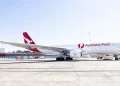
The damaged Boeing 767-300 was manufactured in November 1990 for Qantas Airways. It is owned by Cargo Aircraft Management, the leasing division of Air Transport Services Group, based in Wilmington, Ohio. The aircraft was converted to carry cargo on its main deck in 2016.
Amerijet operates 11 Boeing 767-300 freighters. Mozzali said the aircraft involved in the incident, registered as N373CM, had been used as a spare. Its grounding has therefore had no impact on the airline’s scheduled transportation or charter operations.
The carrier is also operating two freighters for United Parcel Service to support the parcel delivery company during the peak shipping season, which runs through late December.
Although the aircraft’s age initially raised questions about the economic viability of repairing it, the decision reflects the value of maintaining available widebody cargo capacity at a time when replacement aircraft and conversion opportunities remain constrained. For Amerijet, the use of a spare aircraft has also helped limit the operational consequences of the incident while repair work is arranged.