



Singapore has moved a major step closer to diversifying marine fuels, with the successful completion of its first ethanol bunkering trial with Maersk, Golden Island and PSA Singapore, with support from the Maritime and Port Authority of Singapore (MPA). The weekend trial came after talks at the Singapore International Bunkering Conference & Exhibition (SIBCON) and tested the practical use of ethanol as the shipping industry searches for safe and affordable ways to reduce its emissions.
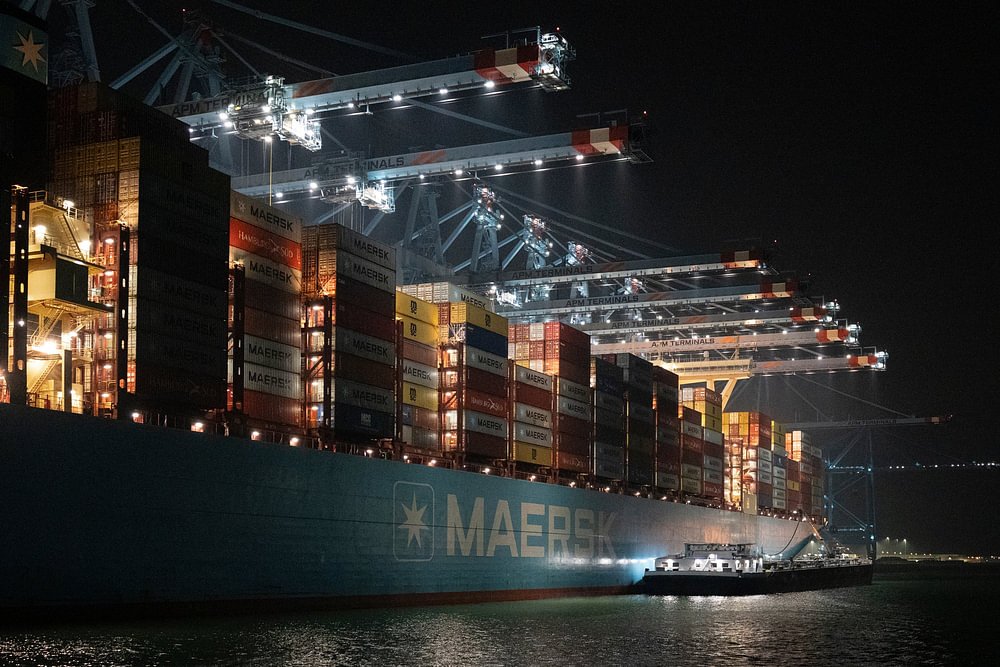
The trial took place on board the Singapore-flagged container ship Maersk Halifax, which has been retro-fitted to run on dual fuels. ISCC-certified bioethanol of 5,000 tons was carried by tanker Golden Centaurus while container handling operations went on at PSA Singapore.
The bunkering was carried out in parallel with normal terminal activities and was an important part of the exercise as it enabled the participants to assess how the alternative fuel could be delivered without disrupting the container operations.
The trial will also help assess ways to utilize existing expertise and infrastructure in methanol bunkering in Singapore to facilitate the use of ethanol, another emerging marine fuel, said Ang Wee Keong, chief executive of the MPA.
The results are expected to contribute to the development of technical standards and operating procedures for safe and efficient ethanol bunkering. They will also help to assess whether Singapore’s current technical reference for methanol bunkering, TR 129, can be adapted to cover ethanol operations.
The trial forms part of a wider initiative by Maersk to investigate a range of fuel options as the industry seeks to decarbonize.
“The energy transition calls for us to explore and scale solutions that can provide real-world impact,” said Emma Mazhari, Head of Energy Markets at Maersk. “The company is committed to a multi-fuel strategy, recognizing that no one fuel can decarbonize global shipping on its own,” she said.
Maersk has already trialed ethanol on its dual-fuel ships Laura Maersk, Antonia Maersk and Tangier Maersk. The Singapore operation looks at the requirements for providing ethanol in an active container terminal, building on those efforts.
From the terminal operator’s perspective, safety was also a major concern in the trial. “The simultaneous bunkering and container operations were a first of its kind and gave us invaluable lessons on how to integrate ethanol deliveries into terminal operations, while ensuring safety remains the top priority,” said Nelson Quek, Regional CEO for Southeast Asia at PSA International.
The exercise will help Singapore assess the technical and operational requirements to scale up its marine fuel capability. For shipping companies looking for alternatives to traditional fuels, the trial will provide practical experience that could help underpin future development of ethanol bunkering infrastructure and procedures.