



Prices of used tankers soar as 15-year-old VLCCs hit $140 million
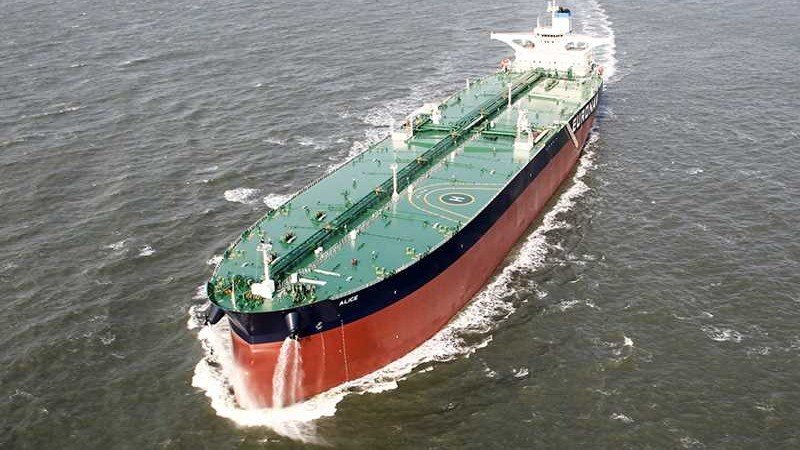
The tanker market is witnessing a remarkable pricing imbalance, where very large crude carriers (VLCCs) available for immediate delivery are commanding significantly higher prices than newly ordered vessels. Very high daily charter rates have driven the increase in secondhand values, with 15-year-old tankers potentially more expensive than newbuildings due for delivery in a few years’ time.
Poten & Partners, the New York shipbroker, described the premium for vessels available at short notice as “extreme”. The so-called prompt delivery premium has sent the traditional correlation between newbuilding and secondhand prices out of the window. Under normal market conditions the value of an existing vessel is usually determined by reference to the cost of ordering a new ship less such adjustments as age and depreciation.
Tanker rates have softened in recent weeks, but buyers are still prepared to pay extraordinary sums for immediate access to tonnage.
Poten estimates a prompt resale VLCC might fetch $235 million. Conversely, a new vessel to be delivered in 2029 would cost approximately $130 million, which would put the immediate delivery ship at an 82% premium to the newbuilding.
The imbalance goes to vessels much older. A 15-year-old VLCC might be worth around $140 million if you could find an owner willing to sell. That valuation is well above the estimated price of a new vessel to be delivered in 2029, demonstrating the exceptional premium for immediate availability.
Limited Wide Price Gaps in Closed Trades
There has been much speculation about possible tanker deals but relatively few deals have actually been done. Poten said the gap between what buyers are willing to offer and what sellers want to receive is a big reason why sales aren’t getting done.
This rapid appreciation in tanker values driven by large geopolitical developments has also made shipowners reluctant to offload their vessels. As prices are rising so quickly many owners are opting to hold onto their assets, hoping for even higher prices in the days or weeks to come.
This reluctance is helping to create a shortage of ships for immediate purchase and is keeping secondhand values high, although charter rates have softened recently.
Poten sees forward sales as a possible alternative to bridge the gap between buyers and sellers. Under such an arrangement a tanker could be sold at a price agreed today, ownership to be transferred at some later date – say, in six months.
Such a structure would allow the current owner to lock in today’s very strong asset valuation, while continuing to operate the vessel until the agreed transfer date. In addition, it could offer buyers better visibility into future fleet availability and acquisition costs.
Middle East energy producers look to secondhand VLCCs
Middle East energy producers are also hunting for second-hand tankers as they seek to reduce their exposure to current market rates. Buying ships outright can give you more control over your transportation capacity, rather than relying on chartered tonnage at potentially volatile prices.
One example that stands out has been ADNOC, the Abu Dhabi National Oil Company. The company recently added six VLCCs to its fleet of very large crude carriers, now totaling 14 ships.
The purchases were part of a broader investment program totaling $1.3 billion and encompassing the six VLCCs and five very large gas carriers (VLGCs).
The ADNOC purchases underscore how energy companies are reacting to the current shipping environment by investing in their own transport assets. Securing further capacity has become a major strategic consideration as immediate-delivery tankers have been available at extraordinary premiums and owners have been reluctant to sell.
Higher charter earnings, geopolitical uncertainty and tight vessel availability continue to reshape valuations of tanker assets. Even old VLCCs can fetch prices higher than the cost of ordering a new ship, a dramatic departure from traditional tanker market economics for buyers that need capacity now.