



The United Kingdom Maritime Trade Operations (UKMTO) is facing growing difficulties in establishing the true scale of attacks on commercial shipping across its operational region, warning that most vessels targeted in incidents are not reporting them directly to the organisation.
UKMTO, which provides maritime security alerts and intelligence to shipowners, vessel operators and seafarers, relies on voluntary reports from the shipping industry to monitor threats and issue warnings. However, it acknowledged that the lack of direct reporting is limiting its ability to verify incidents and communicate an accurate picture of the risks facing merchant vessels.
The organisation said it was aware of incidents through alternative sources but remained “constrained on reporting through lack of verification.”
The disclosure could help explain a recent pattern of UKMTO publishing incident reports more than 24 hours after attacks have taken place. In its weekly update released on 16 October, the organisation highlighted the challenges it faces in collecting information, raising questions about the actual number of merchant ships targeted and successfully attacked in the Middle East this year, as well as how long these reporting difficulties have persisted.
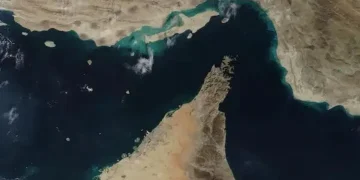
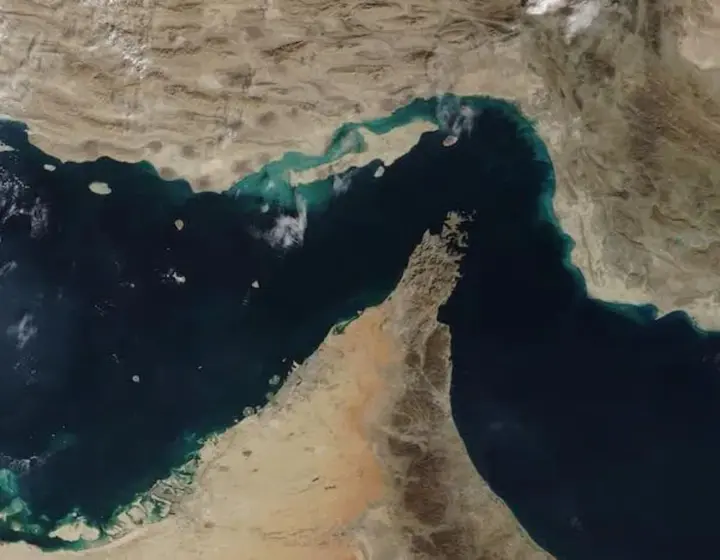
UKMTO has historically played a central role in protecting commercial shipping during periods of heightened maritime insecurity. Its work has included issuing alerts during Somali piracy incidents, Houthi attacks in the Red Sea and assaults on vessels transiting the Strait of Hormuz.
Since the publication of its latest weekly update, the organisation has reported four additional attacks or security incidents involving vessels in the Arabian Gulf, Gulf of Aden and Strait of Hormuz region.
Tanker struck off Saudi Arabia as attacks continue
On 16 October, the 2002-built very large crude carrier (VLCC) ST3 was struck by an unidentified projectile approximately 68 nautical miles northeast of Al Jubayl, Saudi Arabia.
According to the latest update from the Joint Maritime Information Center (JMIC), the crew were reported safe and evacuated following the incident.
The tanker is managed by Noatum, while its registered owner is Safeen Tankers. Both companies are subsidiaries of AD Ports Group. The incident follows another attack earlier in October involving ST1, a separate tanker within the AD Ports Group fleet, which was struck off the coast of Oman. ST1 is listed on the Persian Gulf Strait Authority’s non-compliance list.
A further incident was reported on 17 October, when the master of a tanker informed UKMTO that the vessel had been attacked by a rocket-propelled grenade (RPG) fired from a small boat. The attack damaged the vessel’s aft port quarter, approximately 78 nautical miles northeast of Al Jubayl, Saudi Arabia.
The use of an RPG represents a departure from the missile and drone attacks more commonly reported in the Arabian Gulf, highlighting the range of threats facing commercial vessels operating in the area.
Gun-toting skiff faces LNG tanker in Gulf of Aden
Also on 17 October a LNG tanker working in the Gulf of Aden reported being approached by a small skiff with seven persons on board. Those on the smaller vessel fired two shots at the tanker.
The situation changed when the security team on the LNG carrier fired two warning shots at the skiff, which then changed course and moved away from the vessel.
The latest incident was reported over the weekend, when two projectiles struck a tug northeast of Khor Fakkan, in the United Arab Emirates.
The tug was damaged but pressed on on its voyage. One crew member sustained minor injuries, the accident report said.
The incidents taken together underline the continued security threat to commercial shipping in a number of strategically important waterways in and around the Middle East.
JMIC increases threat level for Arabian Gulf
In this context, JMIC has upped its threat level for the Arabian Gulf from moderate to substantial, meaning an attack is seen as a strong possibility.
The increase was caused by an increase in Iranian attacks since 7 October and increasing interference with maritime navigation, the organization said.
The Islamic Revolutionary Guard Corps (IRGC) Navy of Iran said over the weekend that two supertankers hit mines in the Strait of Hormuz, with both vessels reportedly catching fire.
JMIC said there was no evidence to back up the claims and warned against taking the allegations as factual incidents.
The distinction between reported allegations and verified attacks remains of particular importance as security assessments depend upon the reliability of information received from vessels, operators and other maritime monitoring sources.
October UKMTO issues 29 warnings
October has been a very busy month for UKMTO already. During the month, the organization issued 29 warnings on 28 incidents in its latest reporting period.
Since 1 March 2026 there have been 153 reported incidents.
However, UKMTO’s admission that the vast majority of attacked vessels do not directly report incidents raises the question of whether the published figures are a true reflection of the extent of maritime insecurity across its area of responsibility.
The organization faces a major challenge in providing timely and reliable security intelligence, relying on voluntary reporting and struggling to verify information from other sources, while commercial shipping continues to operate amid heightened regional tensions.






Comments 1