



BOSTON (Reuters) – Geopolitical tensions, erratic tariffs and escalating competition for semiconductor components are introducing fresh risks to the medical technology sector, forcing companies to reconsider their supply chain strategies. At AdvaMed’s The MedTech Conference on Monday, industry executives shared the actions they are taking to ensure the availability of critical medical products and the continuity of patient care.
Recent disruptions have demonstrated the importance for these companies to move away from traditional supply chain models and invest in more resilience, even at the cost of higher operating costs.
Semiconductor shortages challenge medical device manufacturers
“The industry is in yet another semiconductor supply crisis in 2026,” said Jon Rennert, chairman of Zoll Medical, which makes automated external defibrillators and other emergency and critical care devices. Medical device makers are now competing for chips with the artificial intelligence infrastructure sector, as data centers consume ever more semiconductor components, after suffering from shortages during the COVID-19 pandemic and tariff-related pressures.
The last five years have been an extremely difficult time for medical technology supply chains, with disruptions happening more frequently than at any time in his professional career, said Rennert.
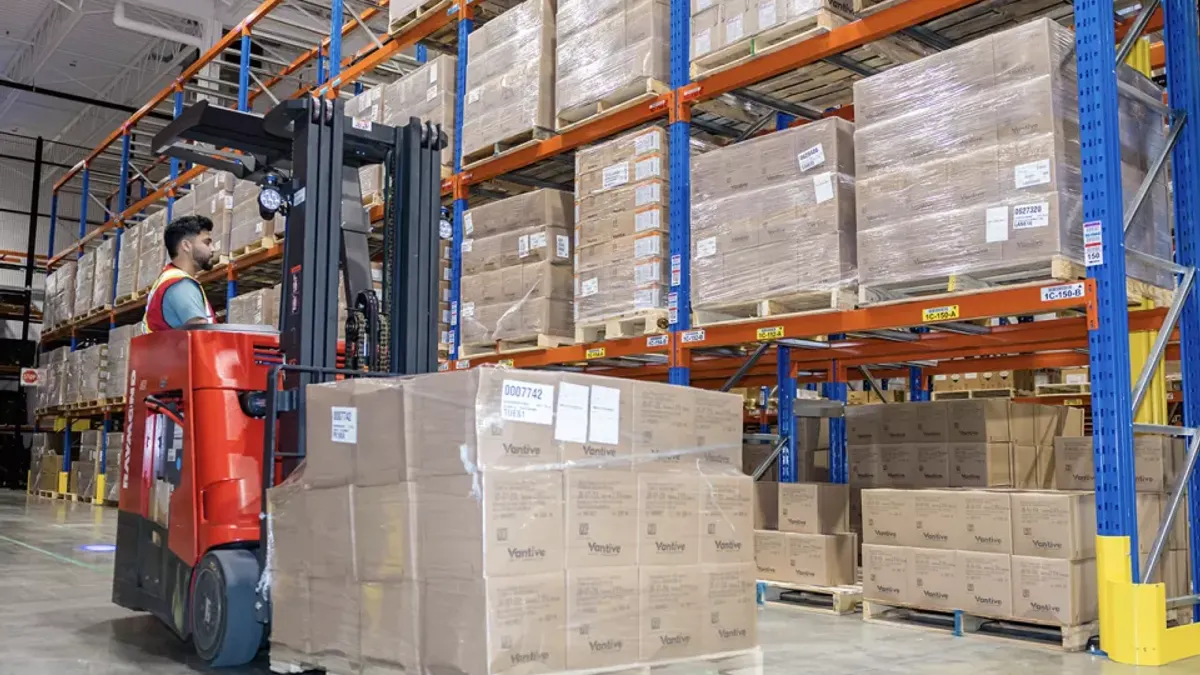
Zoll has built strategic inventories to reduce the risk of shortages. While it costs more to hold larger inventories, the strategy gives the company more time to react when supply conditions change and helps protect the availability of critical components.
“Healthcare is a place where patients feel the impact of shortages directly, and the traditional just-in-time inventory model has lost much of its relevance,” said Rennert. He said: “We’ve always tried to reduce inventory wherever we can. But now having enough stock is more important.
Creating stronger partnerships with semiconductor suppliers
Zoll has also been working to build stronger relationships with electronics suppliers, explaining the clinical significance of its products. In the past, the company has bought electronic boards from contract manufacturers rather than going directly to the big semiconductor suppliers.
Large chip makers may not fully know what happens to patients when medical devices aren’t available, Rennert said. Medical technology companies are a relatively small part of semiconductor demand compared with big artificial intelligence businesses, but even a modest allocation of components could have a big impact on patient care.
He said that helping suppliers understand the needs of the medical sector is a key element in accessing components in a more competitive market.
Now the challenge goes beyond semiconductors. Companies need to plan for all kinds of disruptions, from extreme weather and cyber incidents to geopolitical tensions and the sudden unavailability of parts required to finish a product.
Scenario planning and product prioritization
“Scenario planning has to be continuous, as customers are asking for more detail and reliability on supply,” Heather Knight, chief commercial officer at Solventum, said.
Solventum, which was spun out of 3M’s healthcare business, works in several areas including wound care, infection prevention, dental products and health information systems.
The company has about 30,000 stock-keeping units, or SKUs, and can’t duplicate the supply for every item in its product portfolio. So Knight suggested focusing first on those products that are most essential to saving lives and that customers rely on most, and building resilience measures around those needs.
This means companies can put their resources where a disruption would have the most serious consequences, rather than having the same level of redundancy across their entire product range.
Knight also recommended streamlining supply chains by better matching manufacturing and purchasing decisions to the markets being served. Making goods nearer to where they are sold could mean less need to ship products around the world and less exposure to international disruptions.
As part of their contingency planning, companies should also review their product portfolios and look for opportunities to secure regulatory approval for the same products in other geographic markets in advance. These preparations can help save valuable time when an unexpected disruption occurs.
Roles defined, recovery plans aligned
“Having a defined process for emergency response is critical,” said Christopher Toth, CEO of Vantive. Companies should have disaster recovery plans that name someone to coordinate the response and outline the actions to be taken when a disruption occurs.
He also stressed the importance of integrated business planning that ties field developments to information from supply chain teams. Regional leaders should be responsible for the inventory they hold in their markets.
Allowing regional managers to make decisions on stock provides the balance between operational and financial concerns. There is a cost to increasing inventory and it can impact the profit and loss but involving local leaders in those decisions also creates shared ownership of the risks being managed.
Vantive was born in 2025 when Baxter spun off its kidney care business to the investment firm Carlyle Group. The company is big in home dialysis, and its products help rid patients’ bodies of toxins. Many of the markets served by its patients depend on these solutions being delivered to their homes.
The company has 20 manufacturing plants around the world. Toth cautioned that failure to protect manufacturing and distribution capabilities will lead to catastrophic consequences for not delivering critical products to patients’ homes.
He urged companies to see their manufacturing capacity and supply chain infrastructure not just as costs, but as competitive advantages. The huge amount of money required to build such networks can also make it very difficult for other firms to enter the market.
Tariff risks are reduced by alternative suppliers
Zoll also faced added challenges when suppliers closed manufacturing plants after losing business from customers hit by tariffs. Even if not directly to blame for the initial disruption, a medical device maker may find components unavailable due to such developments.
To mitigate this exposure, Zoll has developed relationships with alternative suppliers with open production capacity. These arrangements allow the company to speed up its projects if necessary, and provide more options if an existing supplier can no longer support its needs.
“It takes a lot more work to maintain this level of readiness now than five years ago,” Rennert said. Companies need to put in two to three times the effort to anticipate disruptions and get ahead of the shifting supply conditions.
The stories told at the conference illustrate a larger trend in the medical technology industry: resilience increasingly relies on a combination of strategic inventory, diversified sourcing, coordinated contingency planning and a clear understanding of which products must be available no matter what.
The underlying priority remains the patient, says Vantive’s Toth. He said companies should view their responsibilities as if every patient was a member of their own family, noting that those impacted by supply interruptions are someone’s parents, siblings or children.