



Miami is widely recognised for South Beach, the colourful streets of Little Havana and its proximity to Biscayne National Park and Everglades National Park. Yet behind its familiar tourist image, the city plays a major role in international trade, connecting businesses across the Americas with suppliers and consumers around the world.
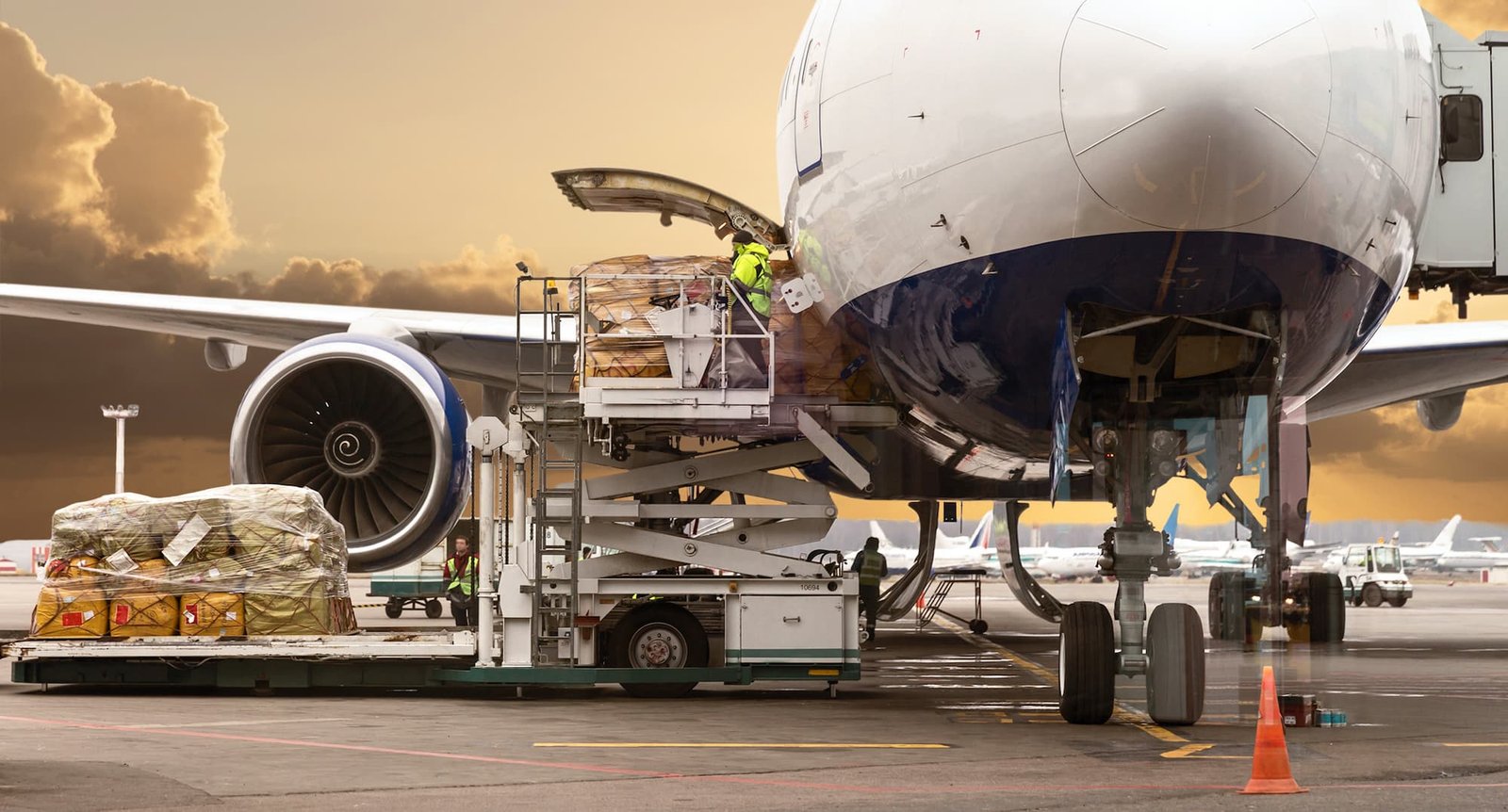
At the heart of this activity is Miami International Airport (MIA), where flowers from Colombia and Ecuador, seafood from Chile, pharmaceuticals, electronics and millions of e-commerce parcels move through an extensive air cargo network. The airport has become a strategic gateway for freight travelling between the United States, Latin America, the Caribbean and other global markets.
In 2025, MIA handled 3.4 million tonnes of cargo, an increase of 13.6% year on year and its sixth consecutive year of record growth. According to Ralph Cutie, Director and CEO of Miami International Airport, the combination of an extensive route network, substantial cargo capacity and rapidly expanding online retail is reinforcing the airport’s position in regional logistics.
“With MIA’s unmatched route network and cargo lift across the region, MIA has quietly become the de facto e-commerce gateway to South America and the Caribbean,” Cutie said.
Perishables remain a cornerstone of Miami’s cargo business
Although e-commerce is transforming the airport’s freight operations, traditional commodities continue to account for a substantial share of its activity. Flowers, seafood and fresh produce remain particularly important, creating a constant need for reliable temperature-controlled handling and efficient onward distribution.
Cut flowers were MIA’s largest import commodity group by volume in 2025, reaching 409,845 tonnes, primarily from Colombia and Ecuador. Fresh and frozen seafood ranked second, with 244,199 tonnes, led by Chilean salmon. Fresh produce added a further 90,944 tonnes.
These products require specialised logistics throughout their journey. Temperature management, careful handling and timely distribution are essential to maintaining quality and minimising losses. Their importance also explains why cold-chain infrastructure features prominently in the airport’s development priorities.
Exports are a different story. Industrial machinery topped MIA’s origin-and-destination exports in 2025 with 78,948 tons, followed by electronic devices with 49,602 tons. Pharmaceuticals represented 14,962 tons and plastics reached 14,881 tons. Aircraft, spacecraft and parts were another 13,301 tons, reflecting maintenance, repair and overhaul (MRO) operations and the nearby aircraft and spacecraft manufacturing facilities in Florida.

“With MIA’s unmatched route network and cargo lift across the region, MIA has quietly become the de facto e-commerce gateway to South America and the Caribbean.”
Ralph Cutie, Miami International Airport
These commodity figures require an important qualification. They cover origin-and-destination trade, rather than every shipment passing through the airport. More than half of MIA’s international freight in 2025 was in transit, but detailed commodity data for those shipments is unavailable. The published figures therefore illustrate the airport’s trade profile without providing a complete breakdown of all cargo moving through its network.
E-commerce boom puts strain on cargo processing
One of the most important forces changing the way MIA operates is the growth of online shopping. Individual consignments may be relatively small but the aggregate volume is putting growing pressure on screening, examination, customs clearance and warehouse handling.
The airport cited estimates from US Customs and Border Protection (CBP) that individual parcel shipments valued at less than $800 – mostly e-commerce shipments – rose from about 1.5 million in 2021 to 140 million in 2025.
The jump is driven by increasing demand for online retail in Latin America, with businesses in the US, Asia and the region providing consumers through increasingly complex international networks. Brazil and Colombia are among the most important markets for e-commerce shipments passing through Miami, including shipments from the U.S. and Asia.
“Handling volumes like these is a different operational challenge than handling temperature-sensitive seafood or pharmaceutical cargo. Screening and clearance of large numbers of individual parcels must be undertaken efficiently, without congestion across airport facilities.
To help relieve this pressure, MIA is supporting CBP’s plans for a Centralized Examination Station (CES) outside the airport perimeter. The facility is expected to open in early 2027 and will be designed to accommodate high-volume security screening, reduce congestion on the airport’s grounds and enhance the examination and clearance of e-commerce shipments.
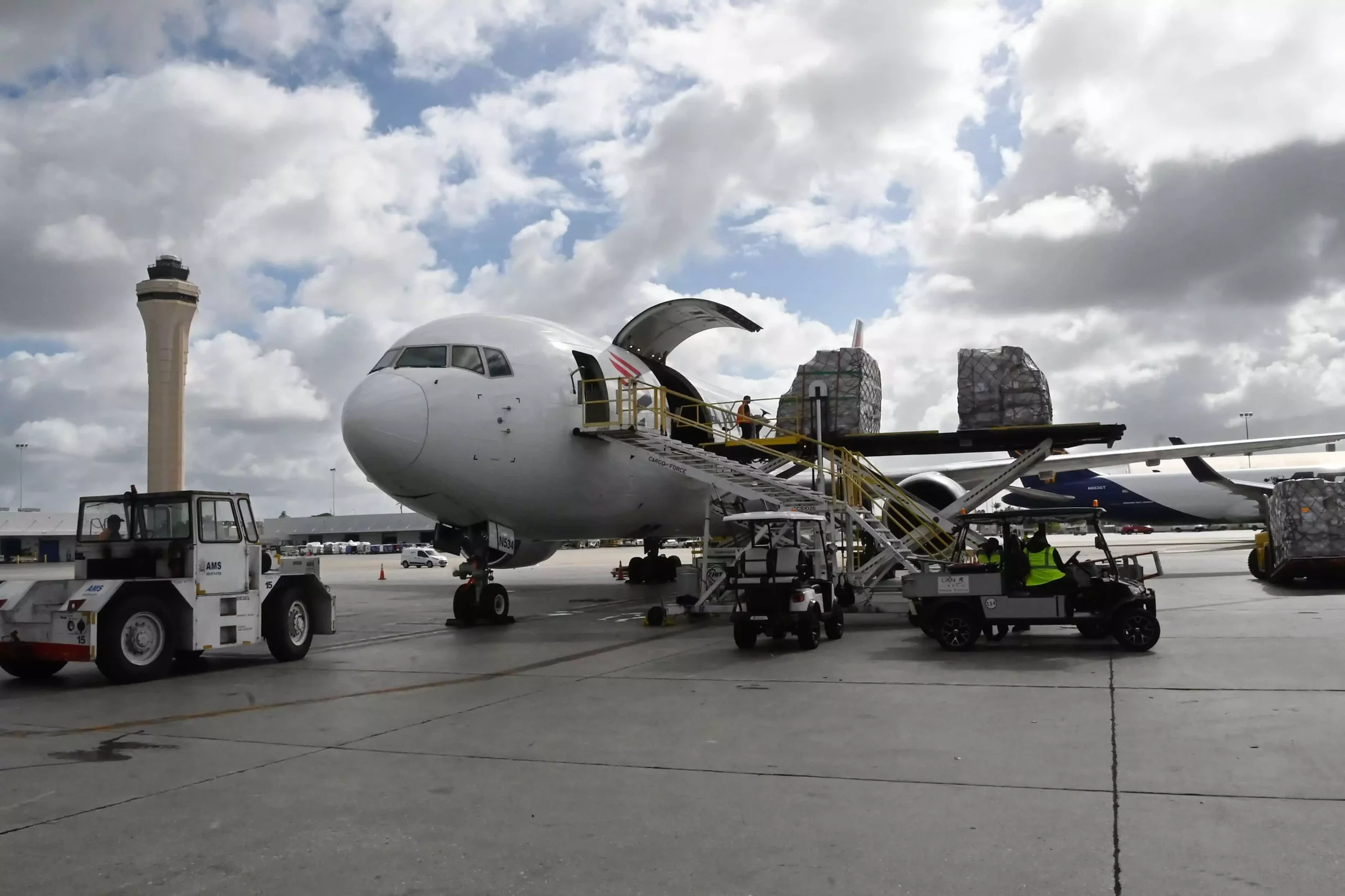
The proposed centre highlights a broader issue for the airport: increasing cargo capacity is not simply a question of accommodating more aircraft or building additional warehouses. Customs procedures, inspection facilities and the efficient movement of goods beyond the airport are also becoming essential to the performance of the wider logistics network.
Pharmaceuticals strengthen Miami’s international logistics position
Pharmaceuticals have become another increasingly important component of MIA’s cargo business over the past decade. The airport has held IATA Pharma Hub status since 2015, while airlines, ground handlers and logistics providers operating there have invested in specialised handling capabilities and CEIV Pharma certification.
These measures support the movement of temperature-sensitive medicines and other pharmaceutical products that require controlled conditions throughout transport and handling.
According to Cutie, pharmaceutical trade through MIA was valued at $8.96 billion in 2025 and totalled 16,205 tonnes. By export volume, pharmaceuticals rose from the airport’s sixth-largest commodity group in 2019 to third place in 2025. The reported origin-and-destination pharmaceutical export volume for 2025 was 14,962 tonnes.
The distinction between the overall pharmaceutical trade figure and the export figure reflects the different measures reported for the sector. Both point to the category’s growing importance within the airport’s wider cargo activity.
Pharmaceutical logistics depends on more than available air freight capacity. Specialised handling, temperature management and coordination between service providers are essential to maintaining product integrity. Investments in these capabilities have helped establish pharmaceuticals as a more prominent part of MIA’s business.
At the same time, perishables remain a foundation of its cargo volumes, while e-commerce continues to expand rapidly. Cutie described the latter as a particularly dynamic segment, saying that “no air cargo vertical shows faster growth globally than e-commerce”.
Together, these three segments illustrate the diversity of freight moving through Miami and the need for infrastructure capable of accommodating very different operational requirements.
Air, sea and road networks create opportunities for closer integration
Miami’s logistics role extends beyond its international airport. PortMiami and South Florida’s road network also contribute to the region’s freight ecosystem, although the airport and seaport serve distinct transport needs.
MIA specialises in high-value, time-sensitive and temperature-sensitive air freight. PortMiami, by contrast, handles slower-moving bulk cargo and connects with heavy rail and trucking networks. While their operating models differ, certain commodities — particularly perishables — could benefit from closer coordination between the two gateways.
One project under development at MIA is a Phytosanitary and Cold Chain Processing facility. The proposal is progressing through planning and permitting and is expected to provide cold storage, phytosanitary treatment and inspection areas for perishable cargo.
An opening is estimated within the next couple of years, although no specific date has been confirmed.
The planned facility could create additional opportunities for sea-air-road movements involving cargo handled through both Miami gateways. However, the airport has not published projections for any resulting increase in cargo volumes or changes in commodity mix.
MIA is also considering the potential application of Reveam’s Electronic Cold-Pasteurization (ECP) technology. The airport has yet to quantify its possible effects on shipment volumes, product shelf life, routing options or access to new markets.
For shippers operating through South Florida, the longer-term objective is to preserve the quality of perishable products while broadening the available logistics options.
Electronics link Miami with Asian manufacturing centres
Beyond its strong connections to Latin America and the Caribbean, MIA also serves as an important entry point for goods originating in Asian manufacturing markets.
Electronic devices represent a significant import category, covering products such as smartphones, processor chips, electric motors and other semiconductor-related goods, including USB devices.
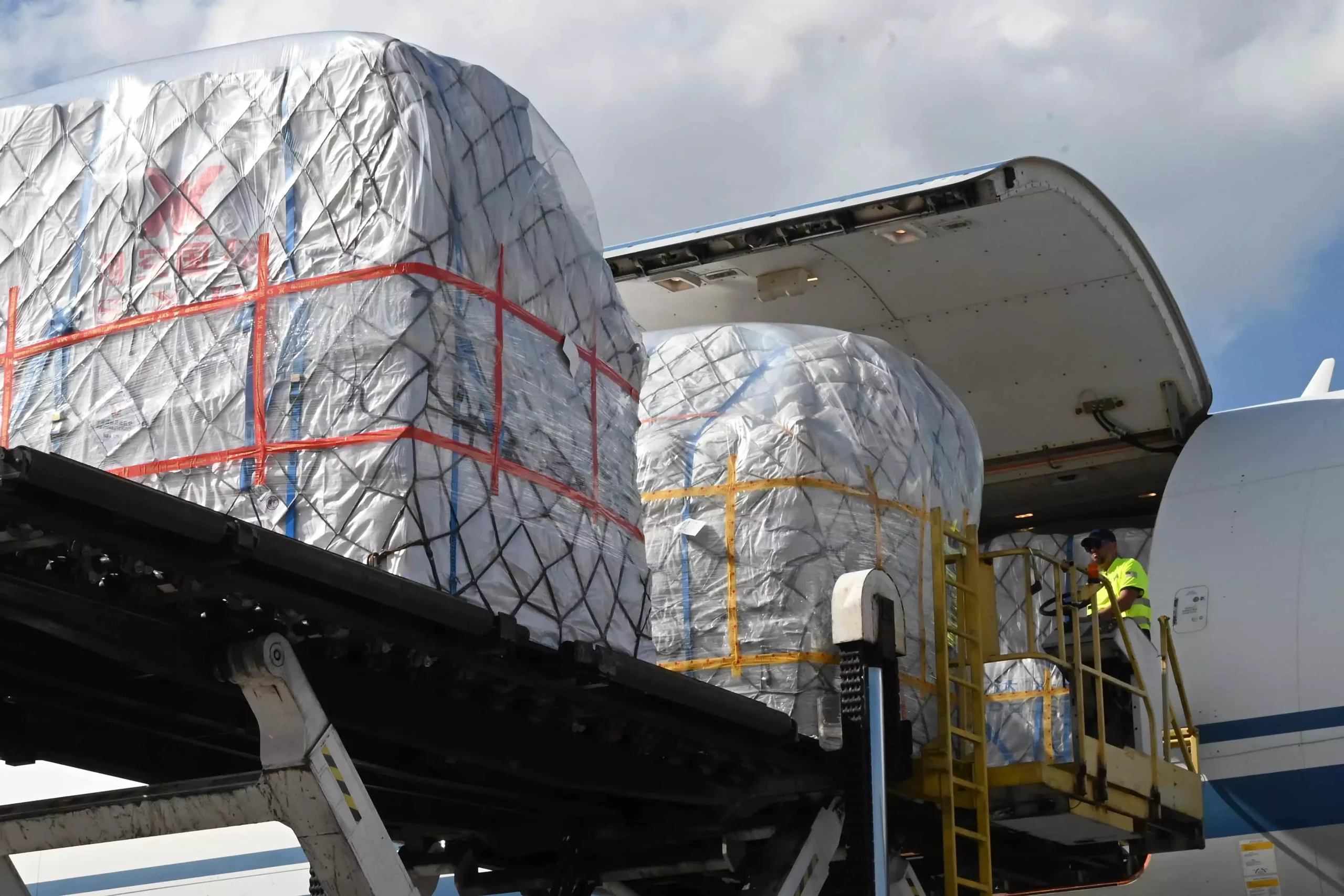
In 2025, the airport imported electronics worth over $6 billion. Top origins were Vietnam, China, Malaysia, India, Costa Rica and Taiwan as Miami’s connections with manufacturing and technology supply chains in Asia and the Americas are reflected.
In early 2026, Air China Cargo started three-times weekly flights between Shanghai Pudong International Airport and Miami, announcing the creation of a new direct link with mainland China. This was the first scheduled service of any type from mainland China to MIA, providing a direct link between the two markets.
Cutie said the first half of 2026’s imports of electronics from China were set to match 2025’s performance. E-commerce shipments are hard to separate from other cargo flows, but they are also contributing to demand between China and Miami.
This trade link is a sign of the increasing convergence of electronics distribution and online retailing. The supply chains that deliver devices to the United States also feed consumer markets throughout Latin America and the Caribbean, with Miami acting as a hub for distribution of goods moving around the region.
Cargo development plans to meet demand through 2044
Additional infrastructure and handling capacity will be required to sustain growth across such a broad range of commodities. To address the anticipated demand beyond 2044, MIA is finalizing a phased Cargo Development Plan.
The plan projects on-airport warehouse space will grow from 2.8 million to 4 million square feet by 2044. Annual cargo capacity would grow to 5.3 million tons.
The program includes new aircraft stands, warehouses and taxiways, with construction in phases so the airport remains operational throughout development.
One major proposal will not be pursued in the form originally envisaged. The planned $400 million Vertically Integrated Cargo Community (VICC) project has been suspended by the developers and is no longer part of MIA’s plans.
The broader development program is a response to the growing and more varied needs of the airport’s freight business. Flower imports and seafood shipments will require reliable cold-chain facilities. Pharmaceutical cargo requires special handling and controlled conditions. Electronics link Miami to Asian manufacturing centers, and e-commerce is generating demand for parcel screening and processing on a scale that few might have imagined just a few years ago.
Miami’s cargo future extends beyond record volumes
Miami’s international reputation may still be defined by its beaches, distinctive neighbourhoods and nearby national parks, but its logistics infrastructure plays a significant role in the city’s position within the Americas.
Through MIA, producers, manufacturers, logistics providers and retailers are connected to markets across Latin America, the Caribbean, North America and Asia. The airport’s cargo network supports established trades in flowers and seafood while accommodating growing demand for medicines, electronics and online retail shipments.
The challenge ahead is therefore not limited to handling more tonnes. MIA must also adapt its facilities and processes to a changing mix of freight, from perishable goods requiring precise temperature control to pharmaceutical products needing specialised treatment and millions of parcels requiring efficient inspection and clearance.
With warehouse expansion, new examination facilities and cold-chain projects under consideration or development, the airport is preparing for a longer-term transformation of its cargo operations. Its ability to deliver that expansion while maintaining reliable service will help determine how effectively Miami continues to connect international supply chains over the coming decades.