



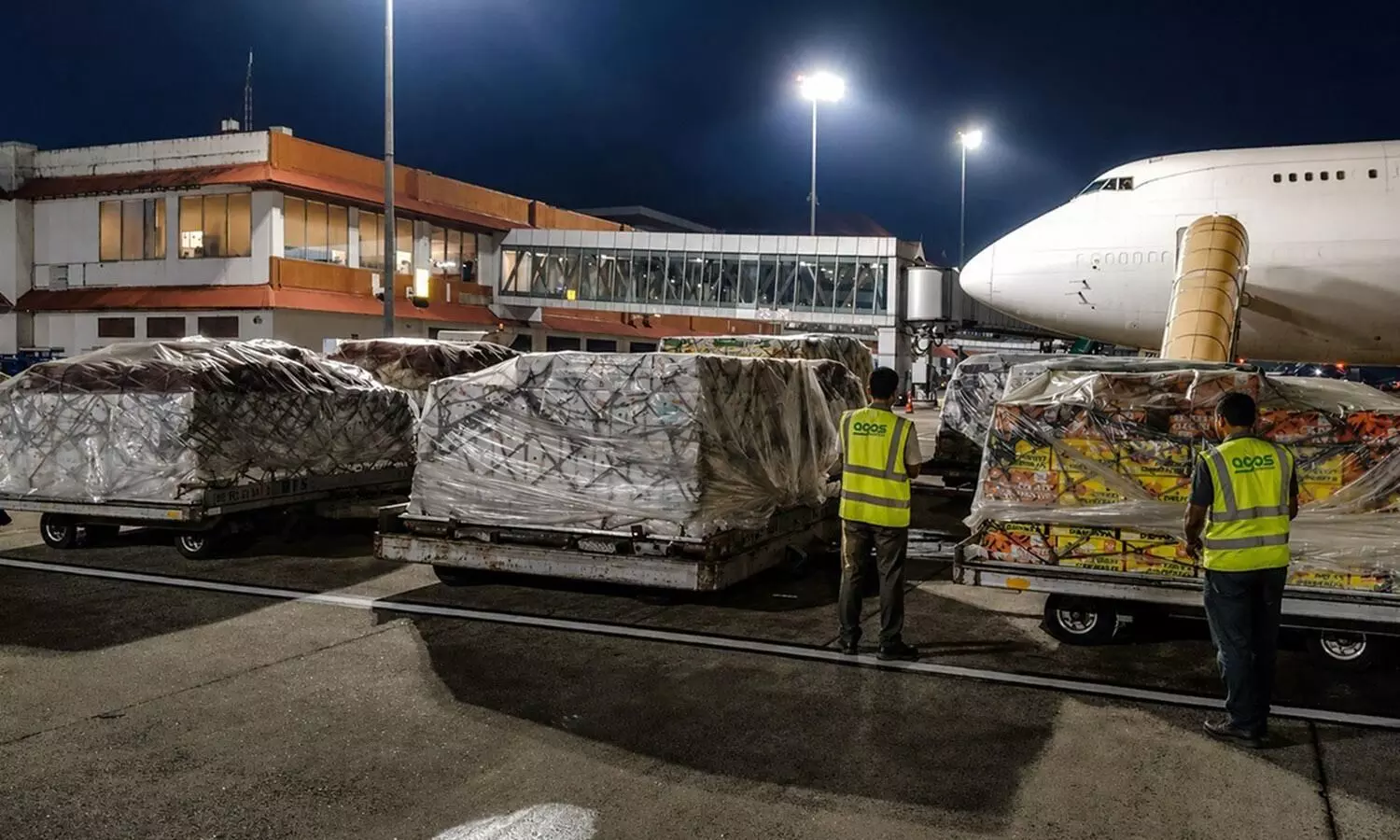
GLOBAL — On the outside, it might seem simple to open a new route for an airline. A plane lands, passengers or cargo get on, and the flight takes off. But behind that movement is a complicated web of operational needs that have to be in place before the first flight can take off.
Stations have to be established, local teams and vendors coordinated, documentation managed, customs procedures followed and cargo handled, while numerous operational functions have to work together seamlessly.
This is where AGOS Aviation has been perfecting its expertise for nearly four decades.
The company started out as Loadmaster Services and built a strong base in aircraft operations, ground handling and load control. AGOS eventually expanded beyond these core activities to become a broader provider of aviation services and technology.
Today the company helps airlines with back-office operations and administration that are usually carried out either at airline headquarters or at individual stations.
Its portfolio covers a wide range of services including Loadmaster Services, Trip Support, Station Representation, Global Centralized Load Control, Global Customs Support, Global Catering Management, Invoice Processing and Analytics, Contract Management, Revenue Verification, Internal Audit and IT Governance, Ticketing and ULD Management and other solutions.
Instead of employing the same model for all airlines, AGOS develops its services based on the operational needs of each partner.
This approach is emblematic of the company’s evolution from controlling an aircraft’s load to enabling the larger tapestry of operational functions that keep both the aircraft and the business safely and efficiently in motion.
Emerging markets local knowledge
For an airline entering a new market, knowing what to do is only part of the battle. Having the right people on the ground to meet those demands can be just as important.
AGOS Aviation’s model combines global support with local expertise, to assist airlines in aligning the operational, administrative and compliance requirements for establishing and operating services in different markets.
The company is combining these functions so that airlines have one point of contact for support while still retaining the local expertise needed to operate the day-to-day business well.
This provides an operational framework that allows airlines to focus on their core activities while AGOS takes care of many of the complex processes working behind the scenes to support safe, compliant and on-time flights.