



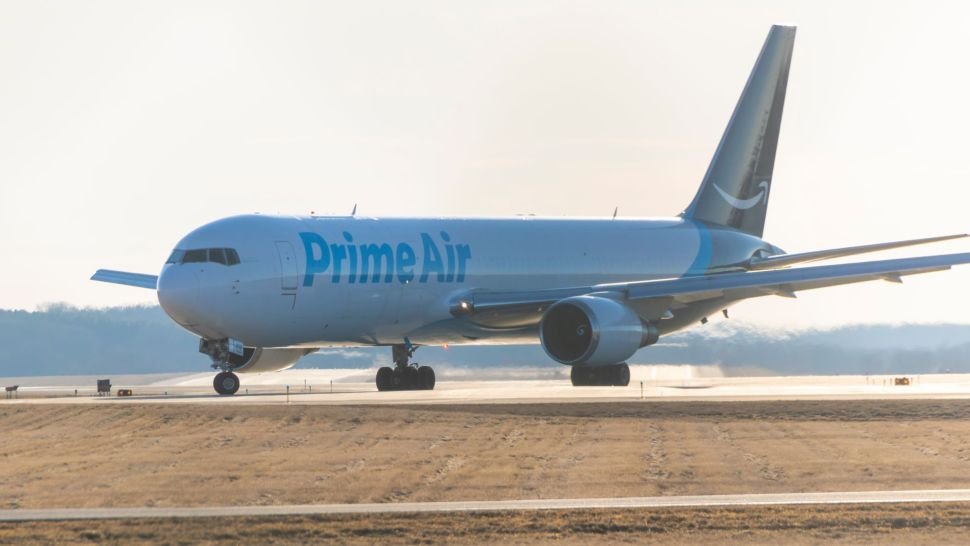
The Amazon freighter that crashed two days ago at Miami International Airport was carrying more than 32,000 pounds of contact lenses from Puerto Rico, while investigators say the aircraft did not follow normal procedures for slowing down after landing.
The National Transportation Safety Board (NTSB) provided new details during a news conference Tuesday evening, saying the Boeing 767-300 converted freighter traveled well beyond the normal runway zone after touchdown and struggled to get all three landing gear onto the ground.
Puerto Rico is home to factories operated by a large number of contact lens manufacturers, making the island a significant production center for the products being transported aboard the aircraft.
The freighter eventually ran off the runway, struck two vehicles and multiple fences, and came to a stop in a grassy area across a public road. The crash left five people dead and several others injured.
According to flight data described by Chihoon Shin, the NTSB investigator in charge, the pilots did not deploy critical systems normally used to slow an aircraft during landing. The data also showed that, just seconds before the aircraft came to rest, the throttles were advanced to full power.
When the Amazon (NASDAQ: AMZN) aircraft touched down on its nose and right main landing gear, its ground speed was 181 mph. Seven seconds later, the brakes were applied, bringing the speed down to 168 mph.
Four seconds afterward, the left main landing gear finally touched the runway at a ground speed of 154 mph. Four seconds later, the brakes were released and the throttles were increased to a thrust level consistent with an attempted go-around.
The throttles were then rapidly reduced to idle power, while the brakes were applied again. The aircraft’s final recorded speed was 75 mph.
Investigators are scheduled to interview the two pilots of the Amazon cargo jet on Wednesday as they continue examining how the aircraft overran the runway, struck two vehicles and two sets of fences, and ultimately stopped in the grassy area across the public road.
The pilots worked for Amazon contractor 21 Air and were identified by local authorities as Captain Joseph Carol, 55, and First Officer Jaime Felipe Silva Molina, 37.
The NTSB will also interview 21 Air’s chief pilot and assistant chief pilot on Wednesday. Investigators had already interviewed the company’s flight dispatcher on Tuesday. The dispatcher is responsible for preflight planning, checking notices to airmen, monitoring weather conditions and tracking the flight, NTSB Chairwoman Jennifer Homandy told reporters.
Why It Matters
Investigators are seeking to establish what happened in the final moments of the flight and determine whether lessons from the accident could help prevent similar crashes in the future.
Among the questions being examined are whether the pilots made any mistakes and whether 21 Air followed the appropriate safety procedures.
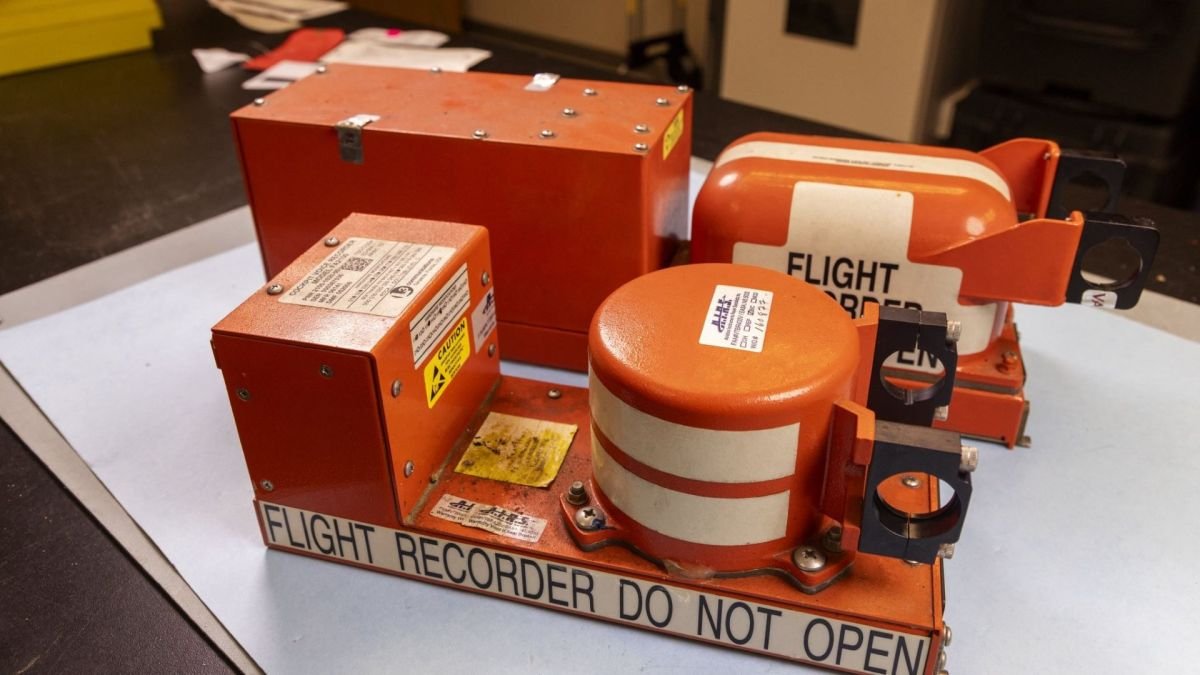
The cockpit voice recorder and flight data recorder are currently being analyzed in Washington, D.C. The NTSB expects to provide a readout of the cockpit voice recording on Wednesday.
Homandy said the crew’s accounts should help investigators fill in some of the gaps surrounding actions taken during the flight, particularly actions that may not have been verbally communicated in the cockpit. Her remarks were livestreamed.
Carol received his type rating for the Boeing 767-300 in May. His records show 7,145 hours of flight experience.
Molina added the 767 type rating to his pilot’s license in April 2025 and has accumulated 2,655 hours of flight experience. The Federal Aviation Administration requires pilots to have 1,500 hours of flight experience to hold a license to fly for major commercial airlines.
On Tuesday, investigators also collected perishable evidence at the crash site. Their work included taking photographs and videos, collecting drone footage and measuring tire marks left on the runway.
Two of Miami International Airport’s four runways have remained closed since Sunday afternoon. Homandy said a section of Runway 8 was returned to service late Tuesday, allowing departures in an easterly direction.