Business Nov 12, 2026
BMW strengthens its regional battery supply network with Samsung SDI and LG Energy Solution
The German automaker has secured new battery cell supply agreements for North America and Europe as it accelerates efforts to localize production, reinforce supply chain resilience and support its next generation of electric vehicles.
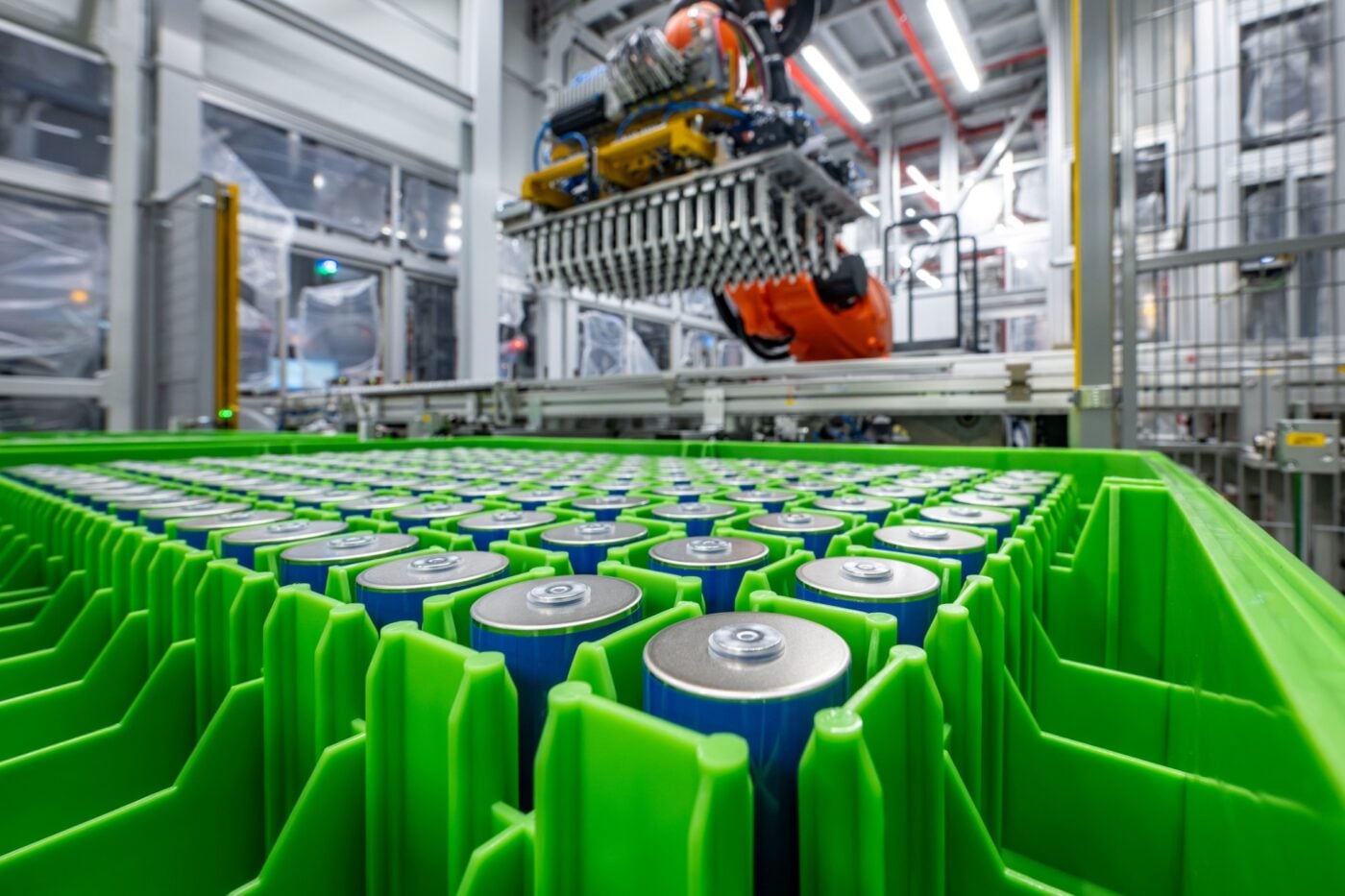
BMW expands battery partnerships to secure its electric vehicle supply chain
BMW Group is taking further steps to strengthen its electric vehicle supply chain through new agreements with two major battery manufacturers, Samsung SDI and LG Energy Solution. The partnerships will cover the supply of battery cells for the automaker’s sixth-generation high-voltage battery systems, supporting its strategy to develop a more regionally integrated production network.
Under the agreements, LG Energy Solution will supply battery cells for BMW electric vehicles destined for the North American market, while Samsung SDI will provide cells for vehicles manufactured in Europe. Deliveries are scheduled to begin in the second half of the decade, towards the late 2020s.
For BMW, these agreements represent an important element of its efforts to establish a resilient, flexible and competitive global battery supply network. Hendrik Lang, head of purchasing and quality for high-voltage batteries at BMW, said the company's international network of leading cell manufacturing partners would help secure a reliable supply of battery cells.
Bringing battery production closer to vehicle manufacturing
The new partnerships are part of BMW's broader strategy to localize its supply chains and position battery cell production closer to its five high-voltage battery manufacturing facilities. These sites have recently been established near the automaker's vehicle production plants in several key markets:
Irlbach-Straßkirchen, in Lower Bavaria, Germany.
Debrecen, Hungary.
Shenyang, China.
Woodruff, South Carolina, United States.
San Luis Potosí, Mexico.
According to Lang, developing regional production capabilities close to existing manufacturing operations also contributes to employment security. Shortening the distances between battery suppliers, battery manufacturing facilities and vehicle assembly plants is expected to improve operational efficiency and strengthen BMW's competitive position.
In Europe, the agreement with Samsung SDI adds to two previously established supply partnerships with Chinese battery manufacturers CATL and EVE Energy.
BMW considers the diversification of its procurement sources a central component of its purchasing strategy. Nicolai Martin, member of the company's board of management responsible for purchasing and supplier networks, explained that the automaker aims to maintain the global competitiveness of its products while adapting its operations to individual markets.
He also highlighted the importance of operating as locally as possible throughout the value chain and making use of opportunities available across international procurement markets.
Localization still matters for investment conditions
BMW says establishing a local battery supply chain requires significant investment and is subject to a range of external factors.
One key factor in the success of this strategy, the company says, is the willingness of international technology suppliers to set up operations close to its manufacturing facilities. We also need a conducive regulatory environment to promote local industrial capabilities development.
In addition to securing external battery cell supplies, BMW is investing in its own expertise across battery development, manufacturing processes and recycling. The group has also set up three competence centers in the EU that focus on different phases of battery technology development.
The first is the Battery Cell Competence Center in Munich, where BMW is working on new battery cell technologies and future developments.
The second site is the Cell Manufacturing Competence Center in Parsdorf (Upper Bavaria). Here, ways of producing next-generation battery cells with better quality and maximum production efficiency are to be developed.
The third location is the Cell Recycling Competence Center in Salching, Germany. It participates in the recovery of raw materials through the recycling process developed by BMW. The recovered materials are intended for the production of new batteries.
The competence centers enable BMW to be involved directly in technological developments and maintain an equal footing in terms of technical expertise in its relationships with industrial partners, said Lang.
BMW increases investment in electric vehicle production
That expansion of its battery supply partnerships is coming alongside major investments to boost BMW’s electric vehicle-making capacity in Europe and the U.S.
In February, the automaker said it would spend about €650 million ($760 million) to upgrade facilities at its Plant Munich. The upgrades are meant to prepare the site to make electric vehicles on the company’s new redesigned Neue Klasse platform.
BMW plans to discontinue production of internal combustion engine vehicles at its Munich plant by the end of 2027. After that the plant will be producing only electric cars.
BMW finished a $1.7 billion investment project this summer at its Plant Spartanburg facility in South Carolina in the US. The investment will be used to expand the factory and build the Woodruff electric vehicle battery plant, which will provide batteries for the automaker’s growing EV manufacturing operations in the country.
The investments show how BMW is aligning the scale-up of vehicle production with the expansion of the battery infrastructure needed to support it.
The new iX3 introduces BMW's next battery generation
BMW has also introduced its new electric iX3 SUV, featuring an updated battery architecture based on cylindrical cells. According to the company, the new design delivers a 20% improvement in energy density compared with the previous generation and incorporates an 800-volt electrical system.
The vehicle represents an important step in the deployment of BMW's Neue Klasse technology platform.
During the company's first-quarter earnings call, executives identified future models built on this platform as a major contributor to BMW's expected long-term growth.
By combining regional battery supply agreements, investments in manufacturing infrastructure and in-house technological capabilities, BMW is seeking to establish a more integrated electric vehicle production model. Its partnerships with Samsung SDI and LG Energy Solution are central to this approach, helping align battery sourcing with manufacturing requirements across its principal markets in Europe and North America.
END OF REPORT